A dedicated vending room sounds tidy. Put every snack, drink, and smart cooler in one place. Give it a door. Call the problem solved.
Sometimes that works. Sometimes it quietly kills the whole point of the amenity.
The better question is not “do we have a room?” It is whether people can reach the vending setup at the moment they actually want it, without making the host manage traffic, mess, or support questions.
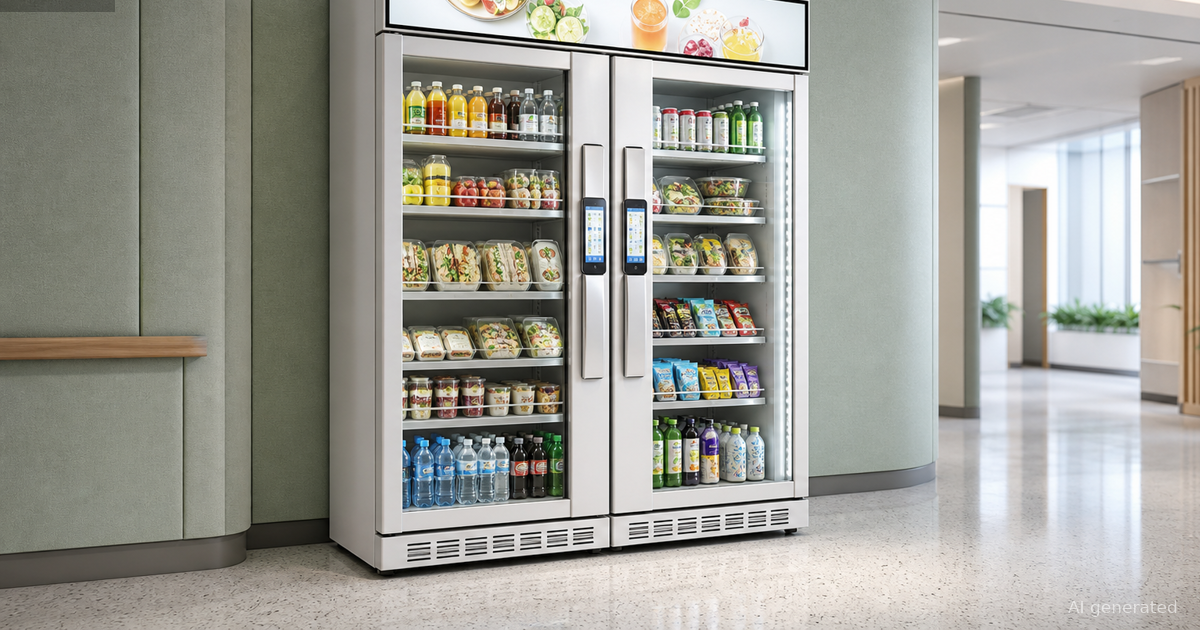
A vending machine room is useful only if people will use it
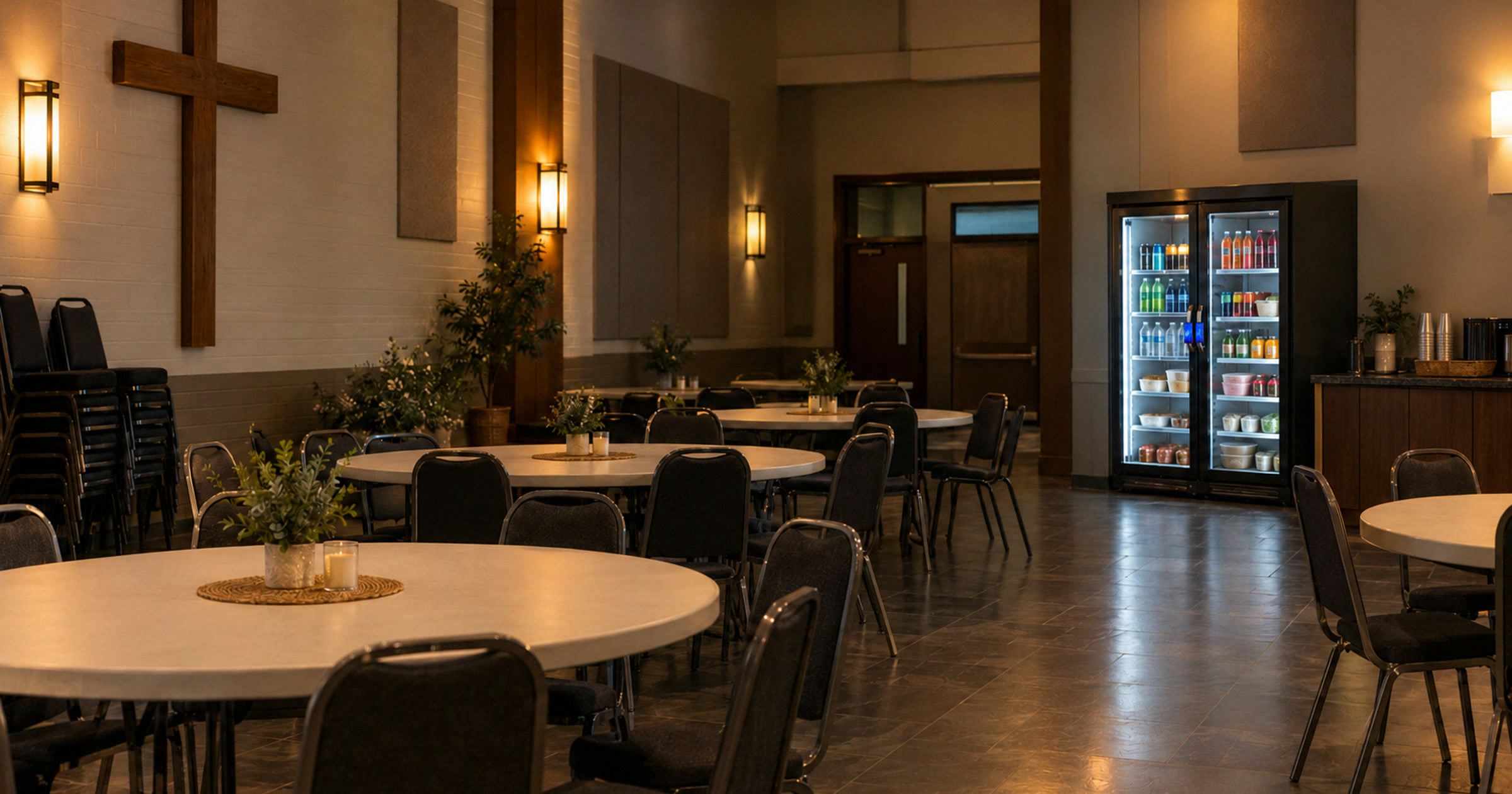
A vending machine room can make sense in buildings where people already gather: a large workplace breakroom, a hotel pantry nook, a warehouse shift area, a clinic staff lounge, or an apartment amenity space with regular foot traffic.
The room should feel like part of the building’s daily path. If people have to hunt for it, ask staff where it is, or walk past a better food option to get there, usage will probably disappoint.
This is where hosts should be honest about behavior. Employees may not leave their floor for a drink during a short break. Hotel guests may not wander down a back corridor at night. Residents may not use a market tucked behind a locked door they forget exists.
A dedicated room is not automatically premium. It is premium when it is easy to find, clean, well lit, stocked on a regular cadence, and simple to service.
Smaller placements can beat a separate room
Many qualified locations do not need a full vending room. They need the right machine in the right pause point.
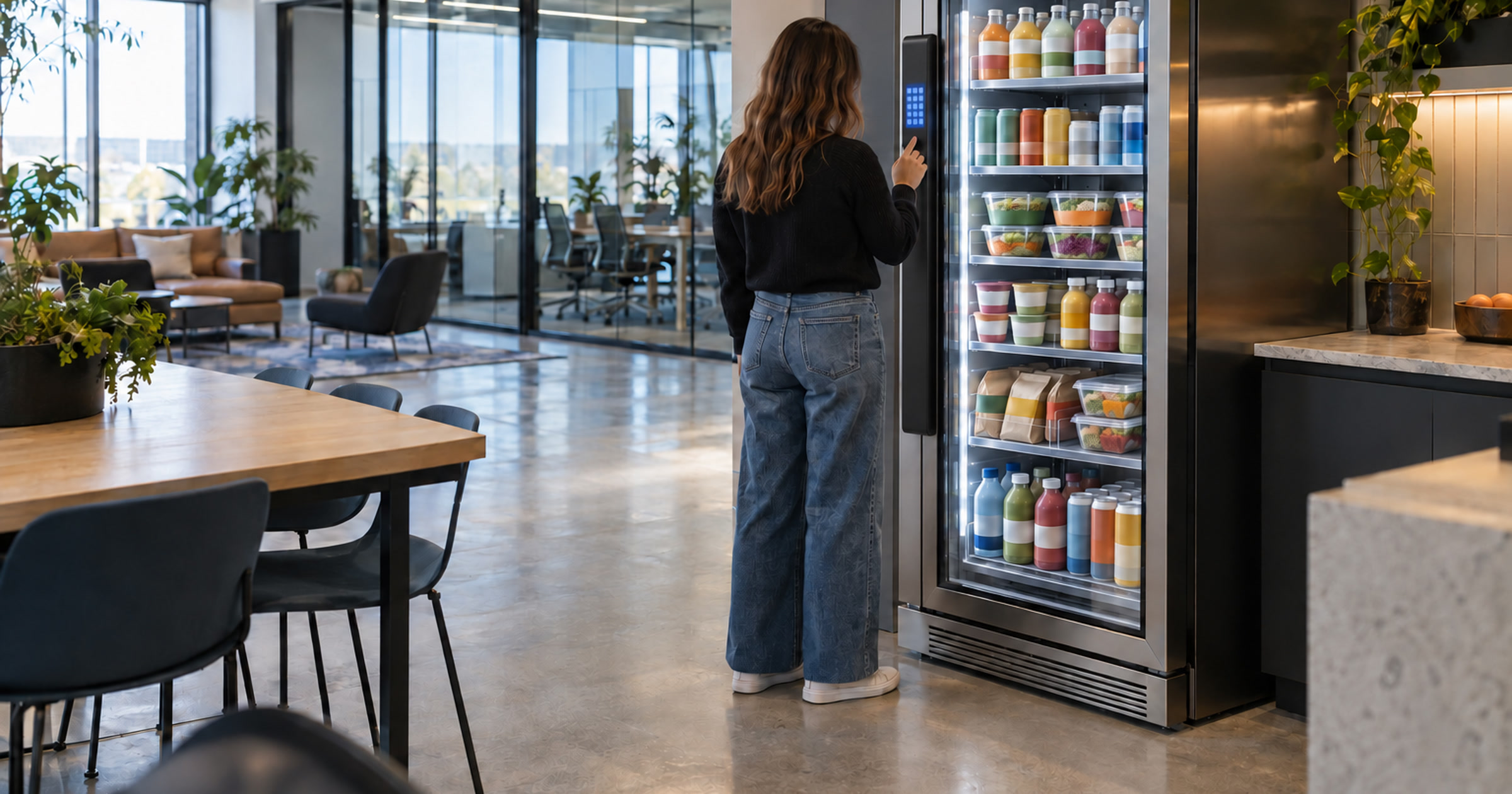
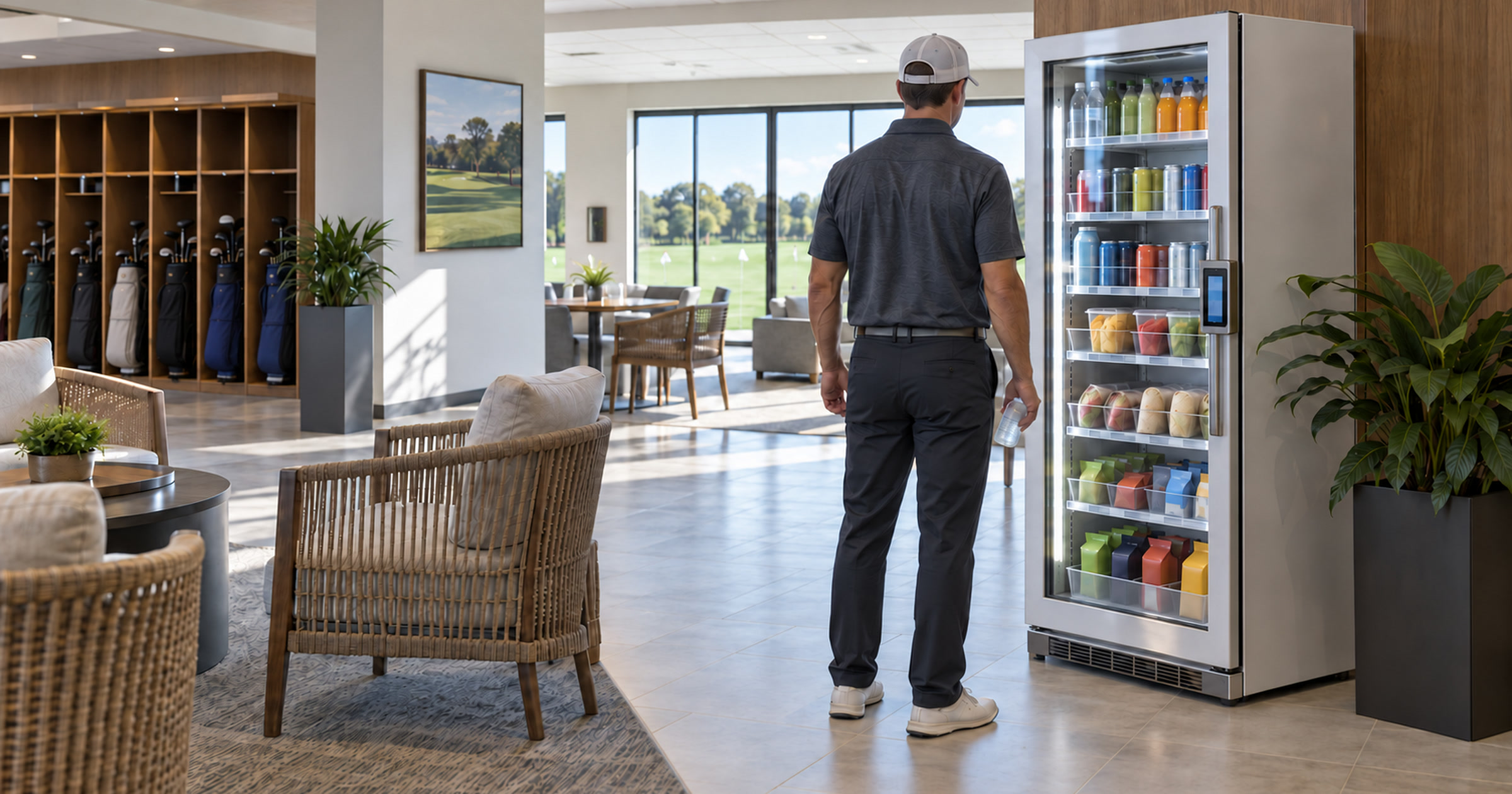
A smart vending machine near a service lounge can support customers waiting on appointments. A smart fridge near a staff corridor can help shift workers grab something without crossing the building. A compact market wall near a hotel lobby or amenity area can serve people who already pass through that space.
That does not mean machines belong in random corners. Bad placement creates its own problems: blocked paths, awkward payment flow, service access issues, and front desk questions. Revvolto’s post on when hallway vending makes sense covers that placement tradeoff in more detail.
The point is simple: do not build a room around vending if a smaller, better placed setup would serve people with less friction.
What hosts should check before deciding
Before choosing a dedicated room, hosts should look at four practical things.
First, traffic. Will the right users pass the area naturally, or will the room need signs, reminders, and staff explanations just to get noticed?
Second, service access. Can the operator restock, clean around the unit, and handle basic maintenance without disrupting a desk, hallway, meeting room, or guest area?
Third, payment flow. Is there enough room for someone to stand, tap, select, and move on without blocking another person?
Fourth, ownership. Who handles stocking, restocking, product mix changes, payment tech coordination, and service issues? The answer should not be the nearest host employee with a spare minute.
A site review should settle most of this before equipment is placed. Revvolto’s guide to what a vending site review should show is a useful next read if the location is still undecided.
The room is not the strategy
A vending room is a layout choice. It is not the strategy.
The strategy is matching the setup to the people, the traffic pattern, the space, and the support expectations. For one building, that may be a clean dedicated vending room. For another, it may be a smart cooler near a staff route or a compact setup beside an existing pause point.
Revvolto helps qualified host sites think through that fit before the equipment arrives. We handle stocking, restocking, payment tech coordination, and service so the host does not have to build an internal vending operation around snacks and drinks.
If you are weighing a vending room against a smaller setup, start with the path people already take. Then contact Revvolto to talk through what would actually fit your space.