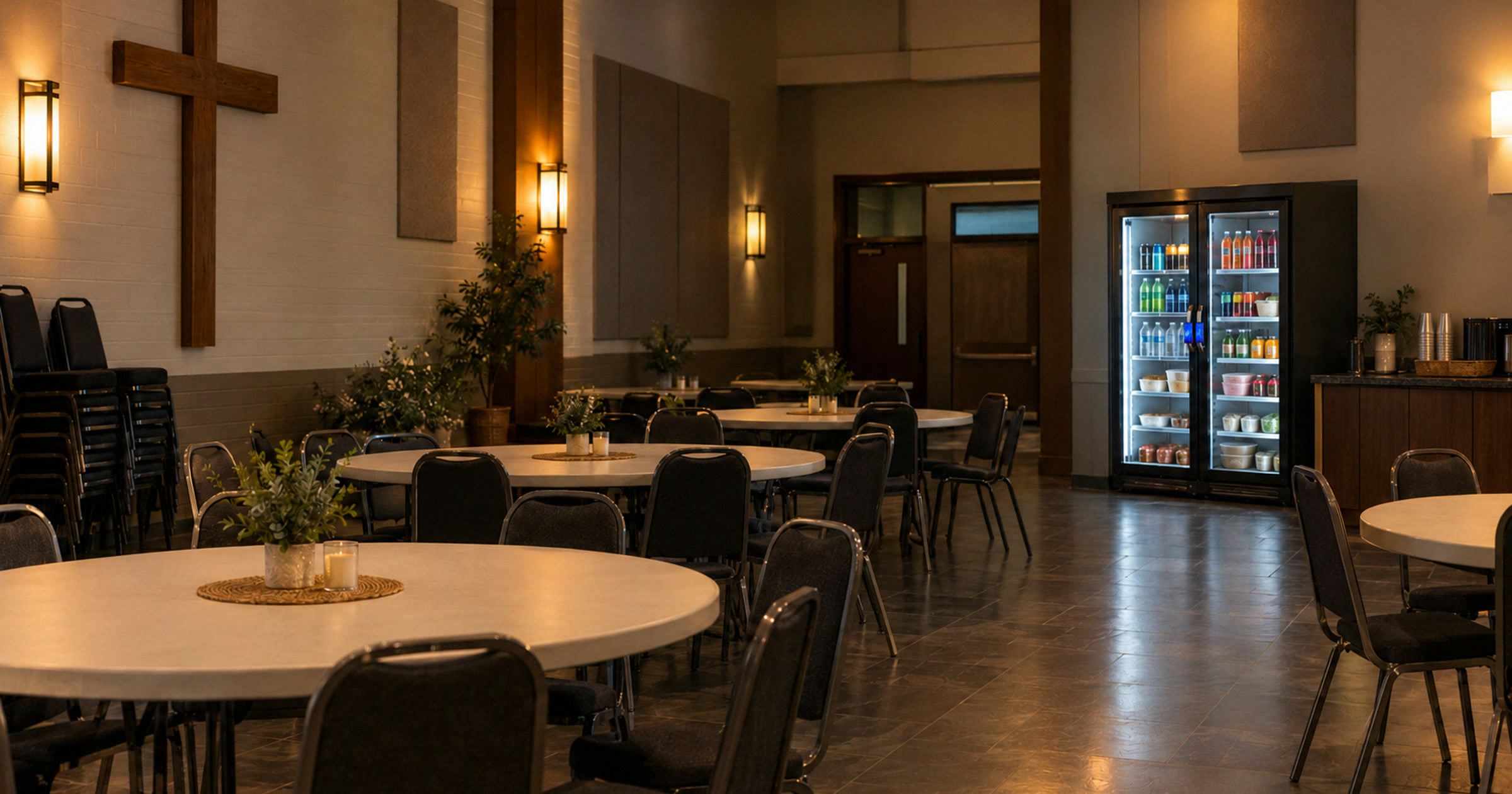
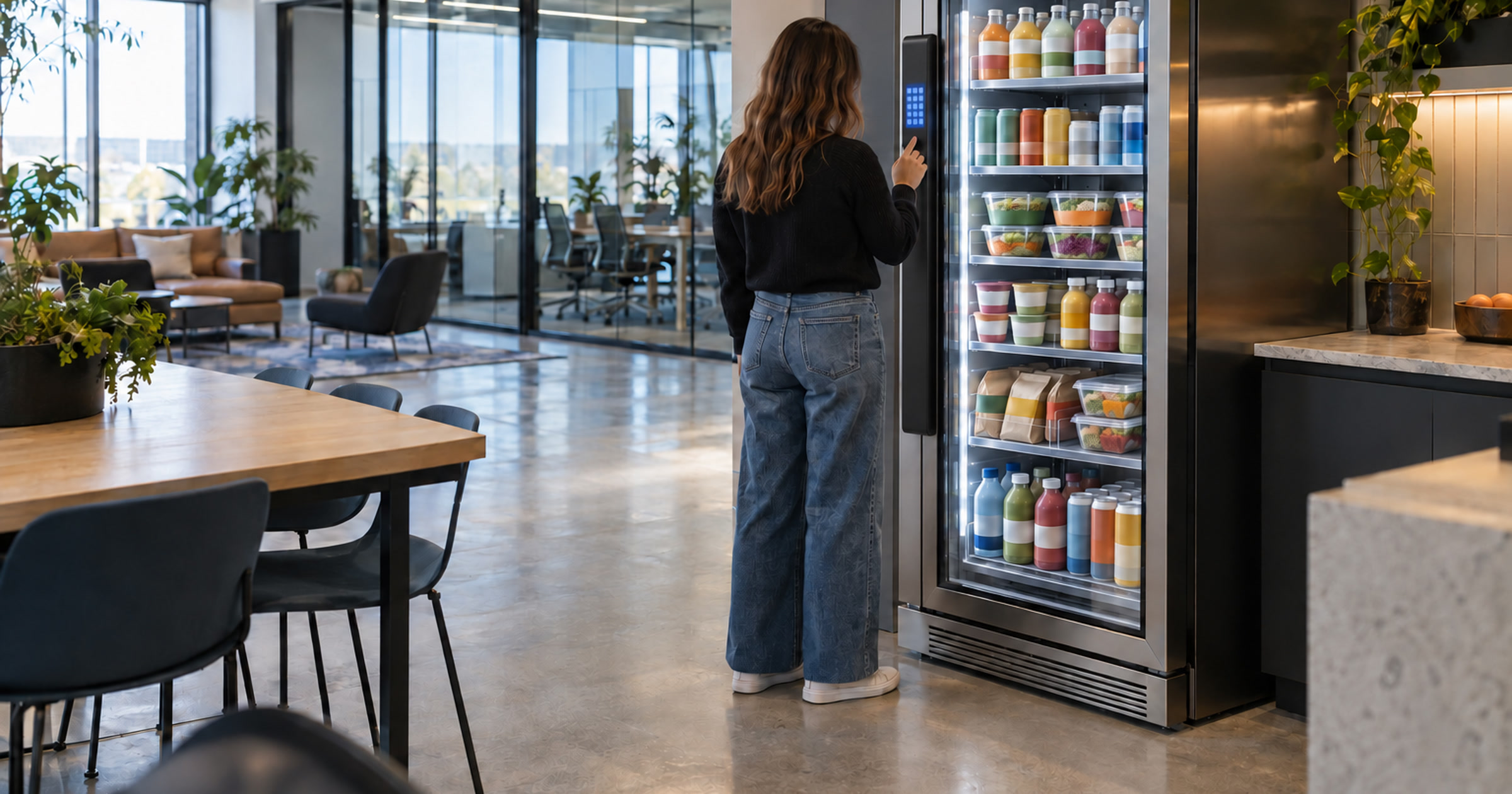
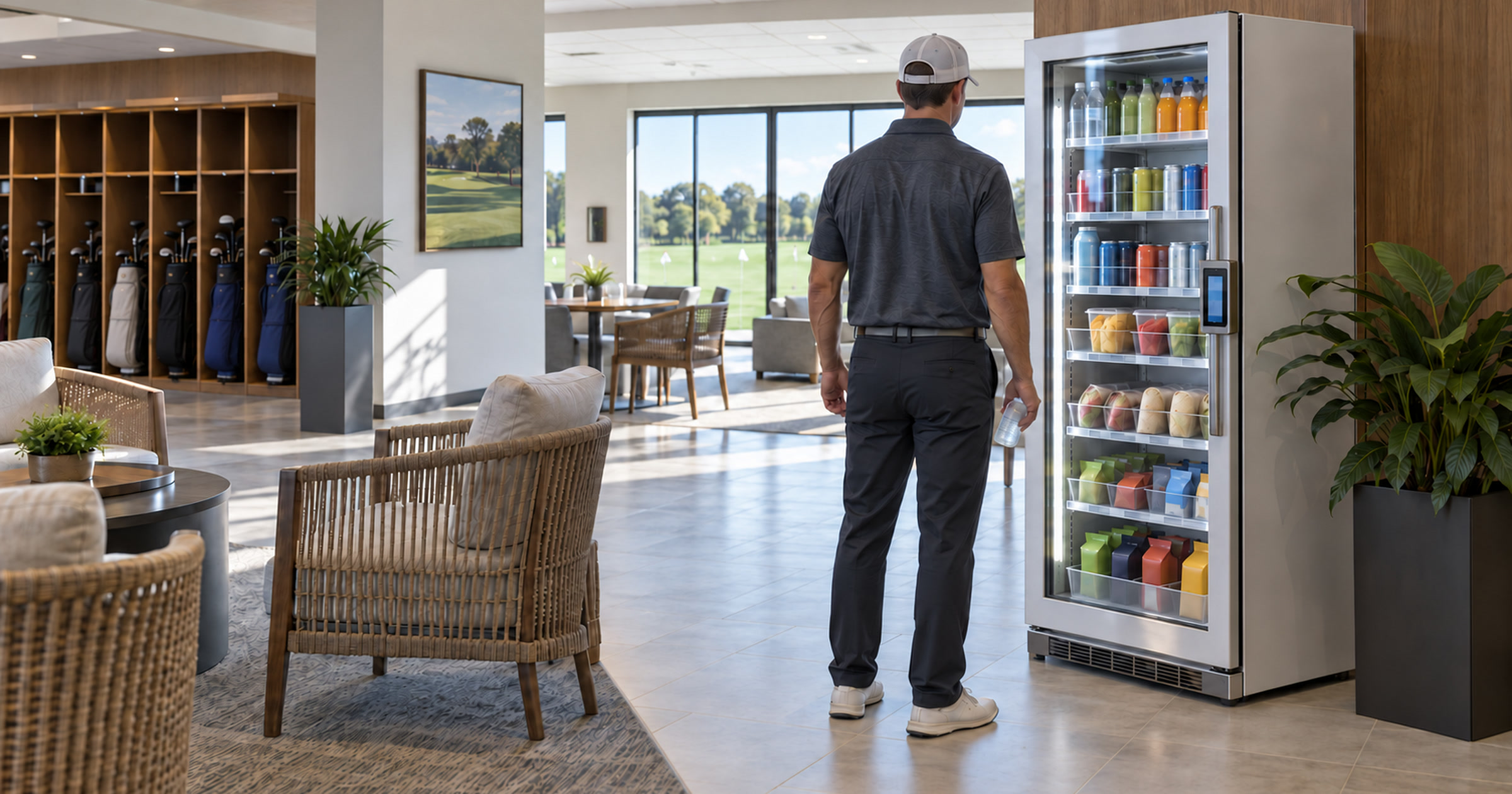
Austin office talk is shifting again. Bisnow’s upcoming Future of Austin Office & Mixed Use event is built around the city’s office pipeline, mixed-use development, and how buildings are turning into more complete workday environments. That is not just a real estate story. It is a reminder that food access is part of how a building actually functions.
Revvolto has no affiliation with Bisnow, the event, or any named project on the event page. The point is simpler: when office and mixed-use buildings compete on convenience, the snack shelf in the corner starts looking pretty tired.
The office amenity test is getting more practical
For years, office amenities got judged by how impressive they looked on a tour. The better question now is whether they solve a small daily problem without adding another operational mess.
Food access is one of those problems. People do not always leave the building at the same time. Meetings run long. Teams work around hybrid schedules. Visitors may be between appointments. A building can have a great lobby and still make food feel like an afterthought if the only answer is a long walk, a closed café, or someone’s emergency granola bar.
That is where smart vending in Austin office buildings starts to make sense. Not as a flashy add-on. Not as a replacement for nearby restaurants. As a practical layer for the in-between moments that every building has.
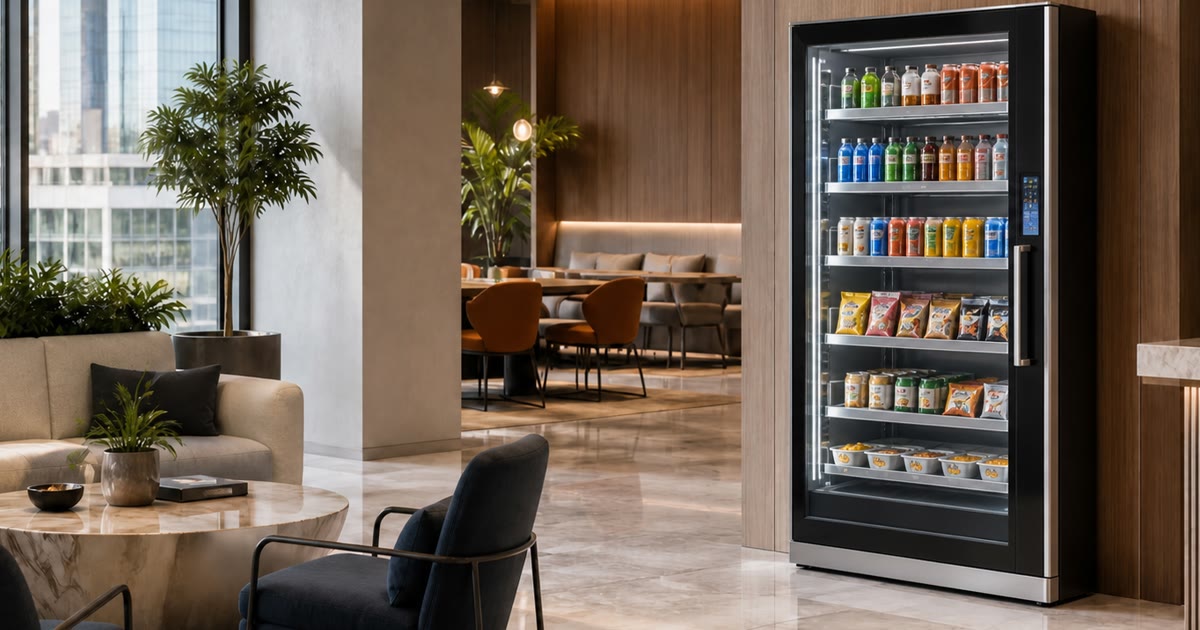
A modern smart vending machine or smart fridge can sit near the places people already pass. It can support grab-and-go access without turning the front desk into a snack counter. It can also give property teams a cleaner option than loosely managed shelves that need constant attention.
The best office amenity is not the one people admire once. It is the one people use on a Tuesday when their meeting ran twenty minutes over.
Mixed-use buildings create odd food-access gaps
Mixed-use sounds simple from a distance. Different audiences share one place. In real life, the daily rhythm is messier.
A tenant lounge may be busy in the morning. A lobby may get visitor traffic in the afternoon. A fitness room may spike after work. A conference room may need support during training days. Each space has a different food-access problem, and one big café does not automatically solve all of them.
Smart vending and smart fridges work best when they are placed around those real movement patterns. Near an elevator path. Beside a tenant lounge. Close to a break area that already has seating. The machine should meet the pause point instead of forcing people to hunt for it.
That placement choice matters because the wrong spot turns good equipment into expensive furniture. A smart vending unit hidden in a dead corner will not do much. A clear glass cooler near a natural stop can quietly carry more of the daily load.
For Austin property teams watching the office and mixed-use market evolve, this is the buyer question worth asking: where do people already pause, and what do they need there?
The service model matters as much as the machine
A smart fridge is only useful if the service behind it is steady. The machine can look polished, but someone still has to keep it stocked and handle service issues when they come up.
That is where a self-managed setup can break down. The building gets the amenity, then the work drifts to whoever is nearby. Nobody meant to create another job. It just happens.
Revvolto’s model is built to avoid that trap. We install and maintain modern smart vending, smart fridge, or micro market options for qualified sites. We handle stocking, payment technology, and service so the building gets a useful amenity without asking its team to become a snack operation.
That distinction is important for mixed-use and office spaces because the audience is not static. The same area may serve tenants in the morning, visitors in the afternoon, and event traffic later. The product mix and restock cadence should respond to actual use over time, not a one-time guess made before the machine arrives.
The machine is the visible part. The operating model is what keeps it from becoming a dusty appliance with better lighting.
Austin buildings should plan for the pause points
The Bisnow event page points to a bigger Austin conversation about office and mixed-use buildings becoming more useful throughout the workday. Food access belongs in that conversation because it affects how a space feels after the tour is over.
A vending machine will not fix a weak building strategy. No amenity gets that much power. But a well-placed smart vending machine or smart fridge can remove one small friction point that shows up again and again.
Someone needs a drink before a meeting. Someone missed lunch. Someone is waiting for a ride. Someone is staying late. Those moments are ordinary, which is exactly why they matter.
The right setup should be easy to find, easy to use, and easy for the property team to live with. That means clear placement, modern cashless payment, and a service partner that treats restocking as part of the job rather than an afterthought.
Austin’s office market does not need more decorative amenities. It needs useful ones.
If your building has a busy pause point where food access keeps falling through the cracks, tell us about the location.