A martial arts academy can be quiet at 3:30 and packed an hour later. Students arrive first. Families settle in while one class gives way to the next. That short turnover window is where a refreshment setup either earns its space or creates another job for reception.
Smart vending for a training academy works best when it follows that rhythm. The machine should be easy to see from the family seating, outside the training route, and simple to use without staff help. The equipment matters, but the room decision comes first.
Start with the class-change window
A normal retail location can spread demand across the day. A training school often gets compressed activity around arrivals and departures. Parents may wait through a class while students move in groups between the lobby and mat area.
That means the useful question is not, “Where is the emptiest wall?” It is, “Where can someone buy a drink during a five-minute turnover without standing in the flow of the next class?”
Watch one full evening before choosing the spot. Note where bags collect, where families stand, and which doorway carries most of the movement. A location that looks clean on a floor plan can become the worst place in the building once twenty people change direction at the same time.
The machine should sit close enough to family seating to be obvious. It should not become a checkpoint between the entrance and the practice area. If every purchase makes other people squeeze past, the location is wrong.
Keep smart vending out of the front-desk job
A machine beside reception can look convenient. It can also train customers to treat the desk as vending support.
If the screen or product door needs an explanation, the nearest employee gets the question. That is usually the same person handling check-in and calls during turnover. Putting the machine three feet from that person does not make the operation simpler.
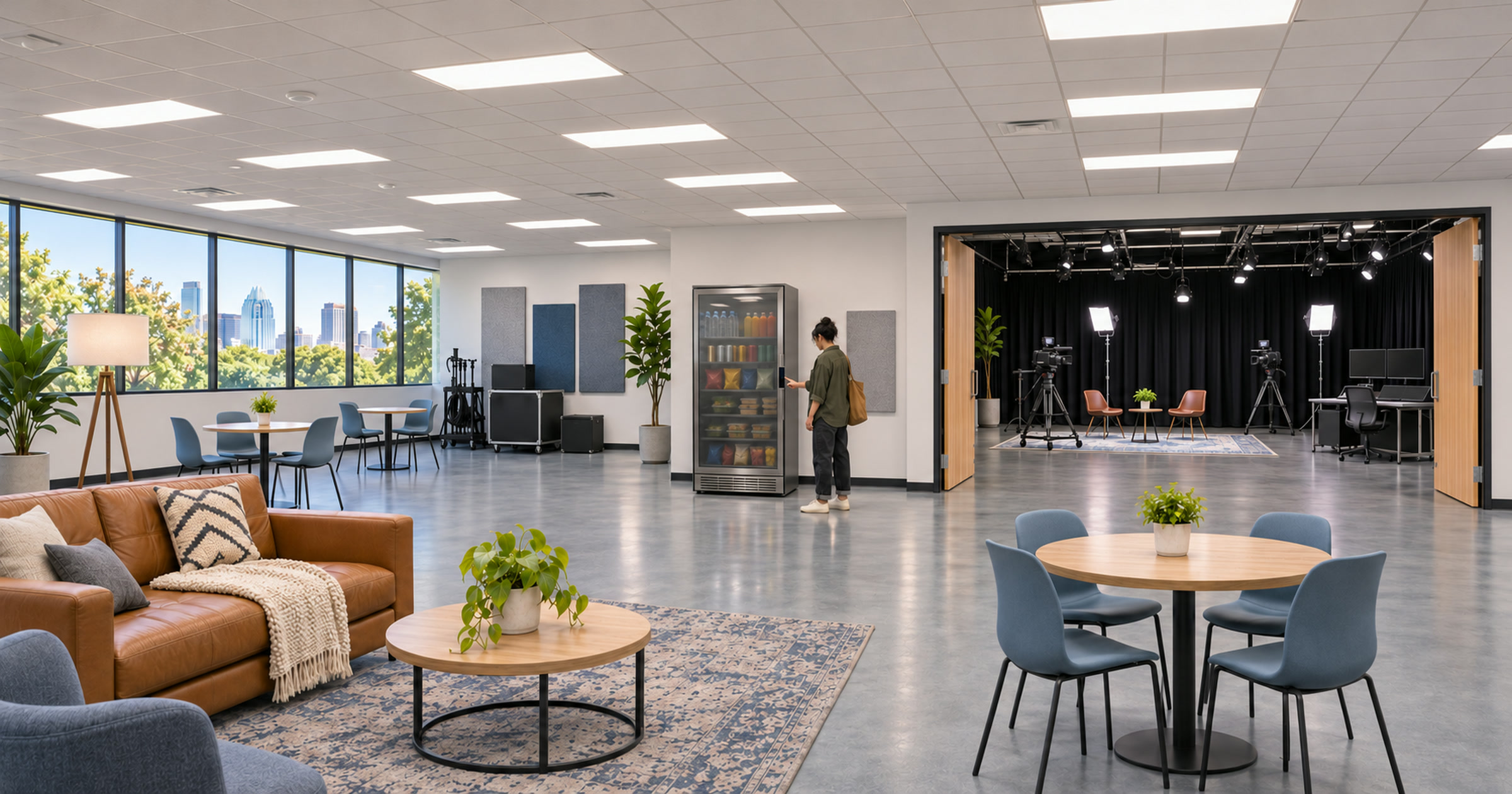
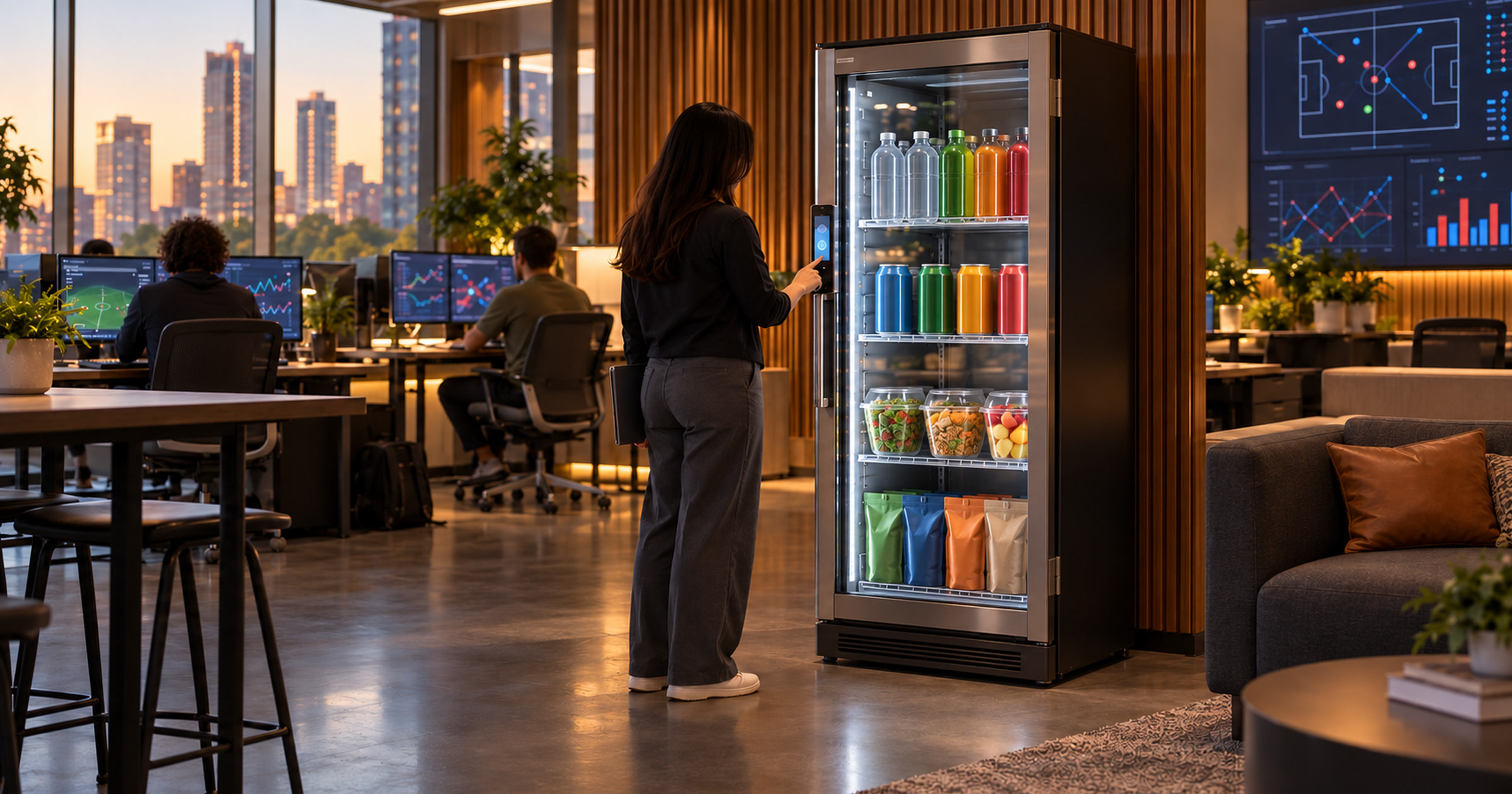
A better setup gives the machine its own small zone. People should be able to browse, pay, and step away without joining the check-in line. The payment interface should be visible from a normal standing position, and the instructions should not depend on a handmade sign taped to the wall.
Revvolto’s role is to keep the equipment stocked and maintained while handling the payment technology. Your team should not become the snack buyer, the refill crew, or the first line of technical support.
Protect circulation before choosing the wall
Training studios already have a lot competing for the same square footage. The mat area needs a clean boundary. Doors need room to swing. Families need somewhere to wait outside the class route.
The U.S. Access Board’s guide to accessible routes uses a 36-inch minimum continuous clear width as a federal planning reference. That number does not certify a specific installation, and local conditions still need a proper review. It does make one point hard to ignore: leftover circulation space is not automatically machine space.
Measure the cooler with its door open, not just closed. Add the space a person uses while browsing. Then look at the route a refill cart would take. If stocking blocks the main entrance or crosses active practice space, move the unit before installation.
A side wall near seating can work well when it preserves the arrival route. A corner behind the check-in queue usually does not. The best-looking wall is irrelevant if people cannot use or service the machine cleanly.
Match the format to the room
The academy does not need the biggest possible setup. It needs the format that fits the building and the buying moment.
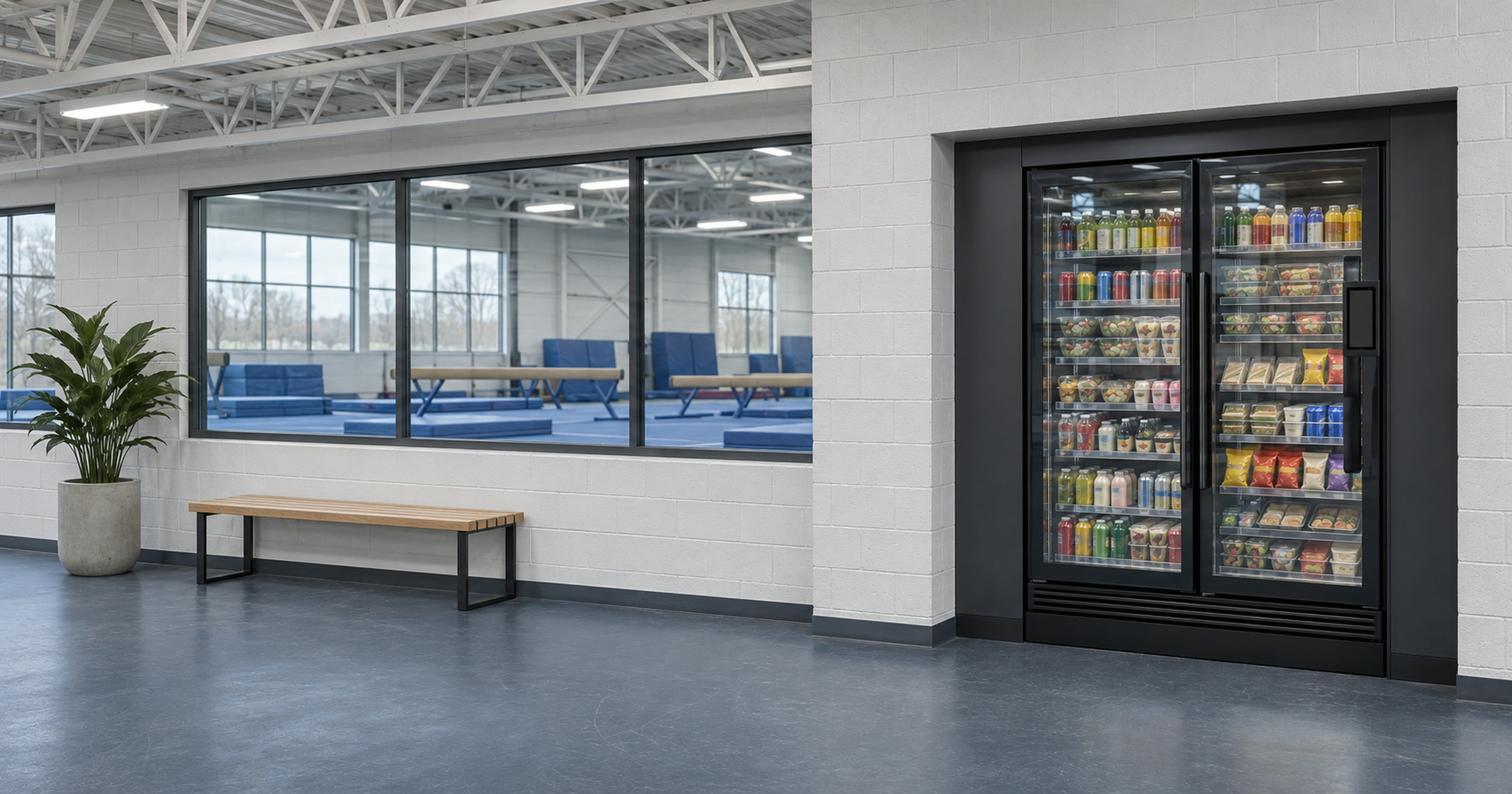
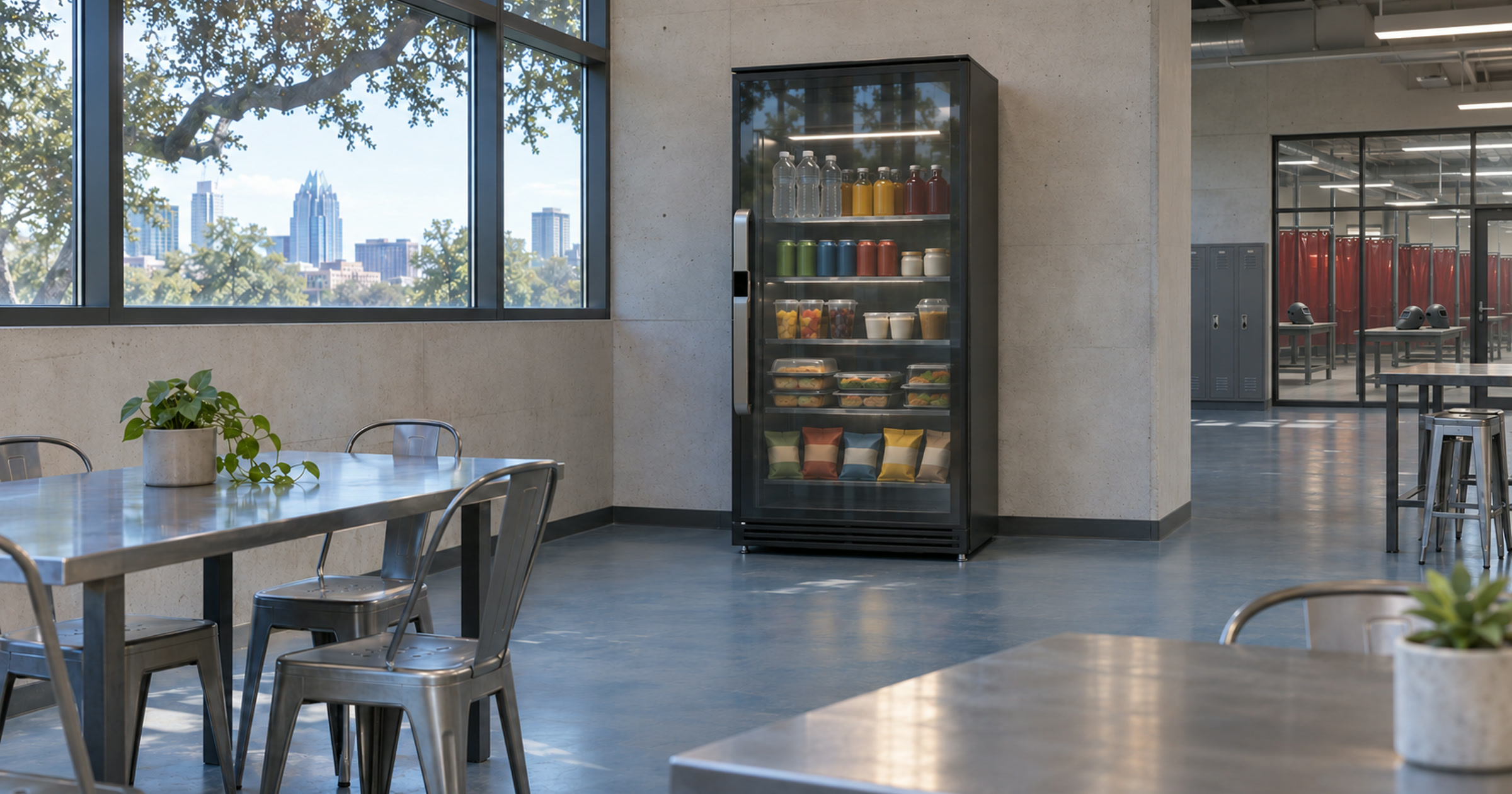
A glass-front cooler can make sense when family seating has enough depth for the door and a clean approach. A compact cashless vending machine may fit a narrower lobby better. A larger market-style setup asks more from the room and can be excessive when traffic arrives in short bursts.
Product mix should be equally disciplined. The point is convenient food and drink, not a wall of every possible item. A tighter assortment is easier to browse during class turnover and easier to keep visually organized.
Avoid making health or performance promises about the products. The academy is providing convenient choices, not prescribing what students or families should eat. That line keeps the amenity useful and the message honest.
Plan payment and service ownership together
Cashless payment is only convenient when responsibility is obvious. The PCI Security Standards Council’s merchant resources emphasize secure payment terminals and trusted service providers. Ask who owns the payment equipment and handles support. Customers also need a clear contact when a transaction needs attention.
Those questions belong in the room conversation because payment problems land on the nearest employee when no other process is visible. Reception should know the handoff, but it should not have to diagnose a reader or manage refunds from a notebook.
Service access matters just as much. A technician or restocker should be able to reach the unit without interrupting a lesson. If every visit requires crossing the mat or waiting for a class to end, the placement creates avoidable friction for everyone.
Use one evening as the final test
Before approving the location, stand in the room during the busiest class change and test the full sequence.
Can a parent see the machine without asking? Can a student step out of the traffic flow to use it? Can the door open fully while the main route stays clear? Can a refill cart reach the unit without entering the training area?
If the answer breaks at any point, change the location. Do not solve a bad room decision with extra signs or front-desk instructions.
Managed vending should make the academy easier to use during its busiest minutes. We can review the room and traffic before recommending a format. Tell us about your location, and we will help you test the fit.