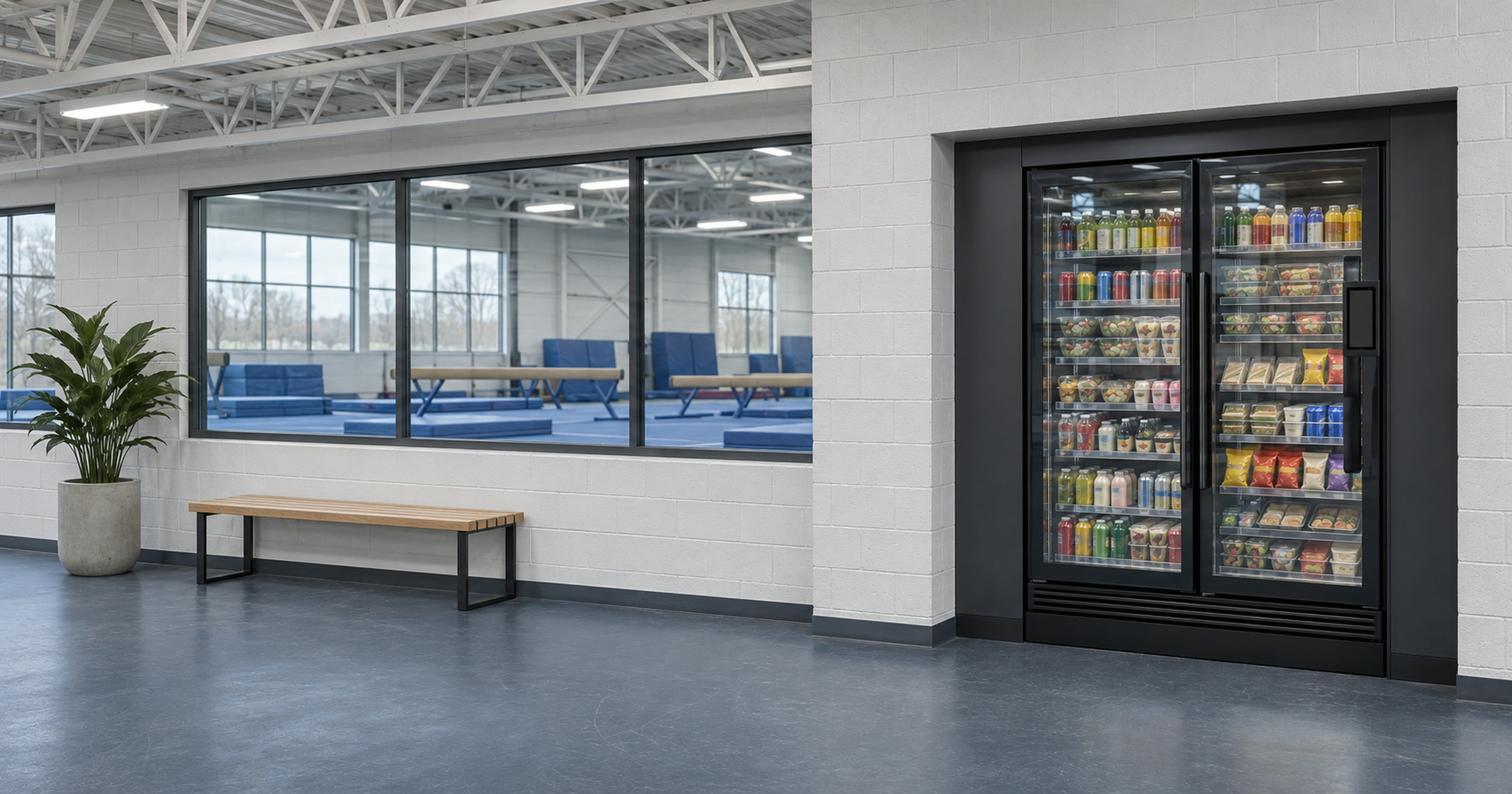
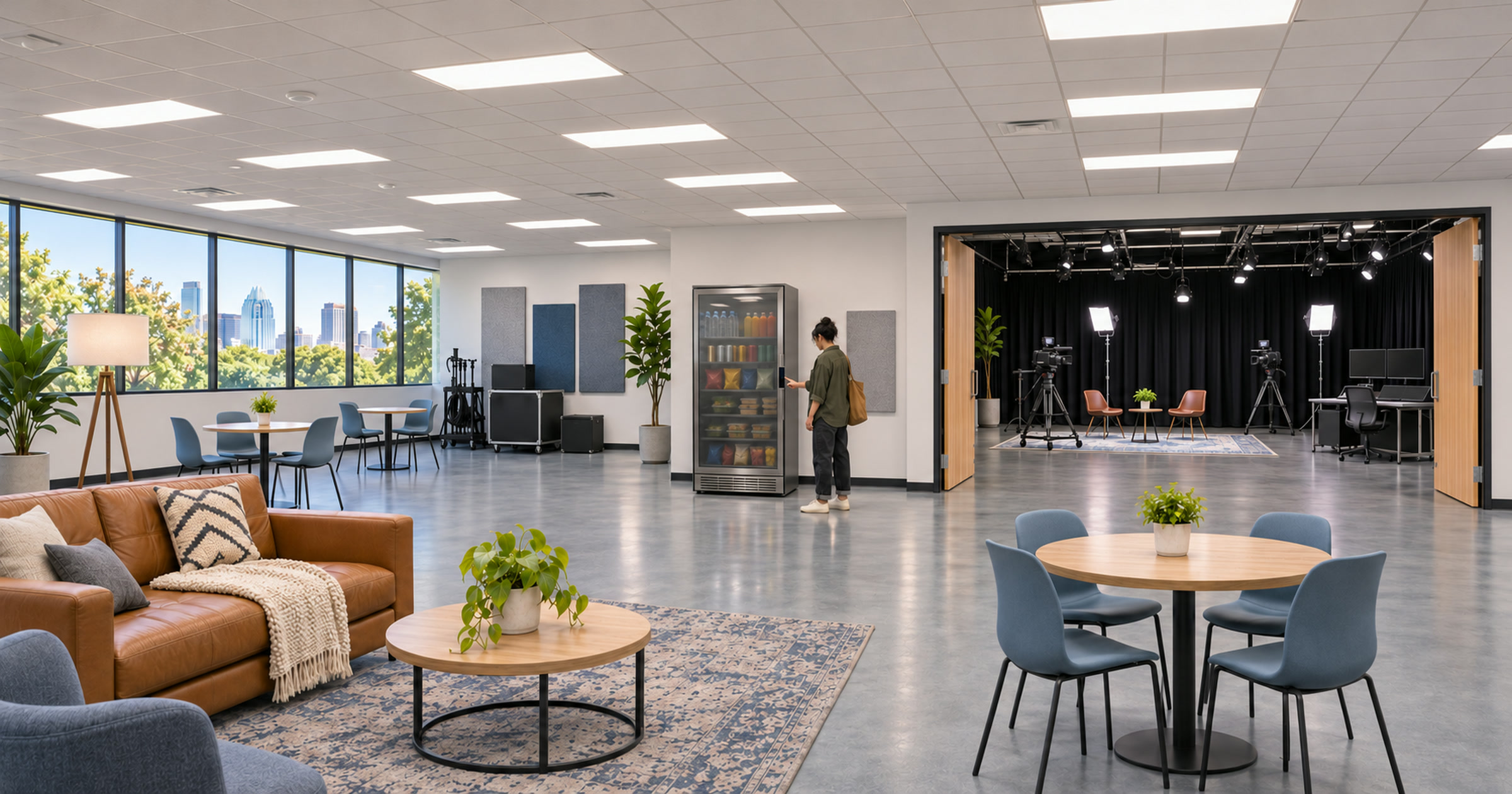
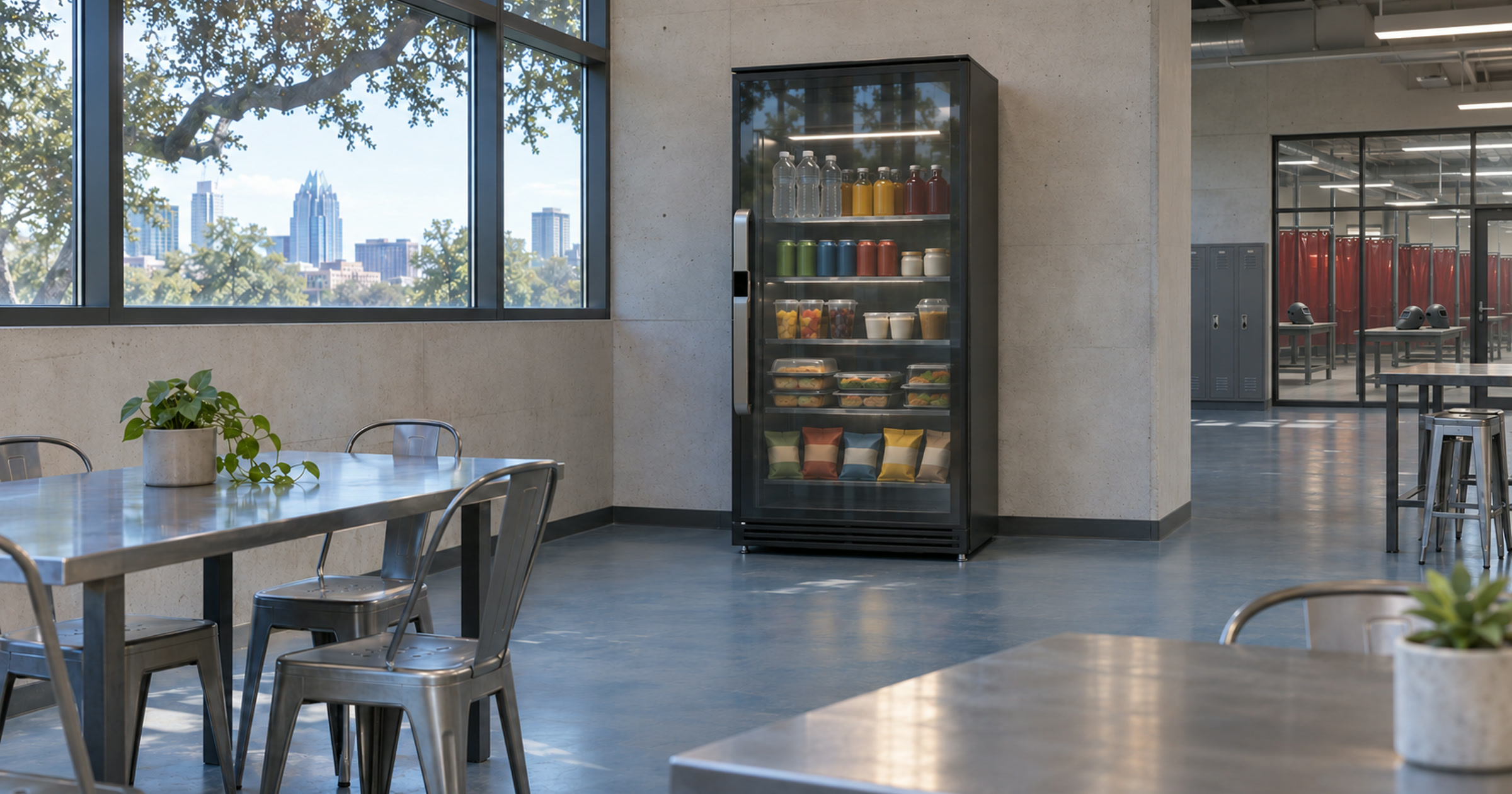
Class-based studios can look like two different businesses. A normal evening brings predictable waves of families. A showcase or competition can compress far more people into a shorter window.
That creates a useful buying question: does the everyday schedule or the biggest event on the calendar set the permanent footprint?
Start with weekly use. A managed cooler earns its space during the weeks between major events, not only when the parking lot is full. Busy programs test the service plan; they do not set the permanent footprint by themselves.
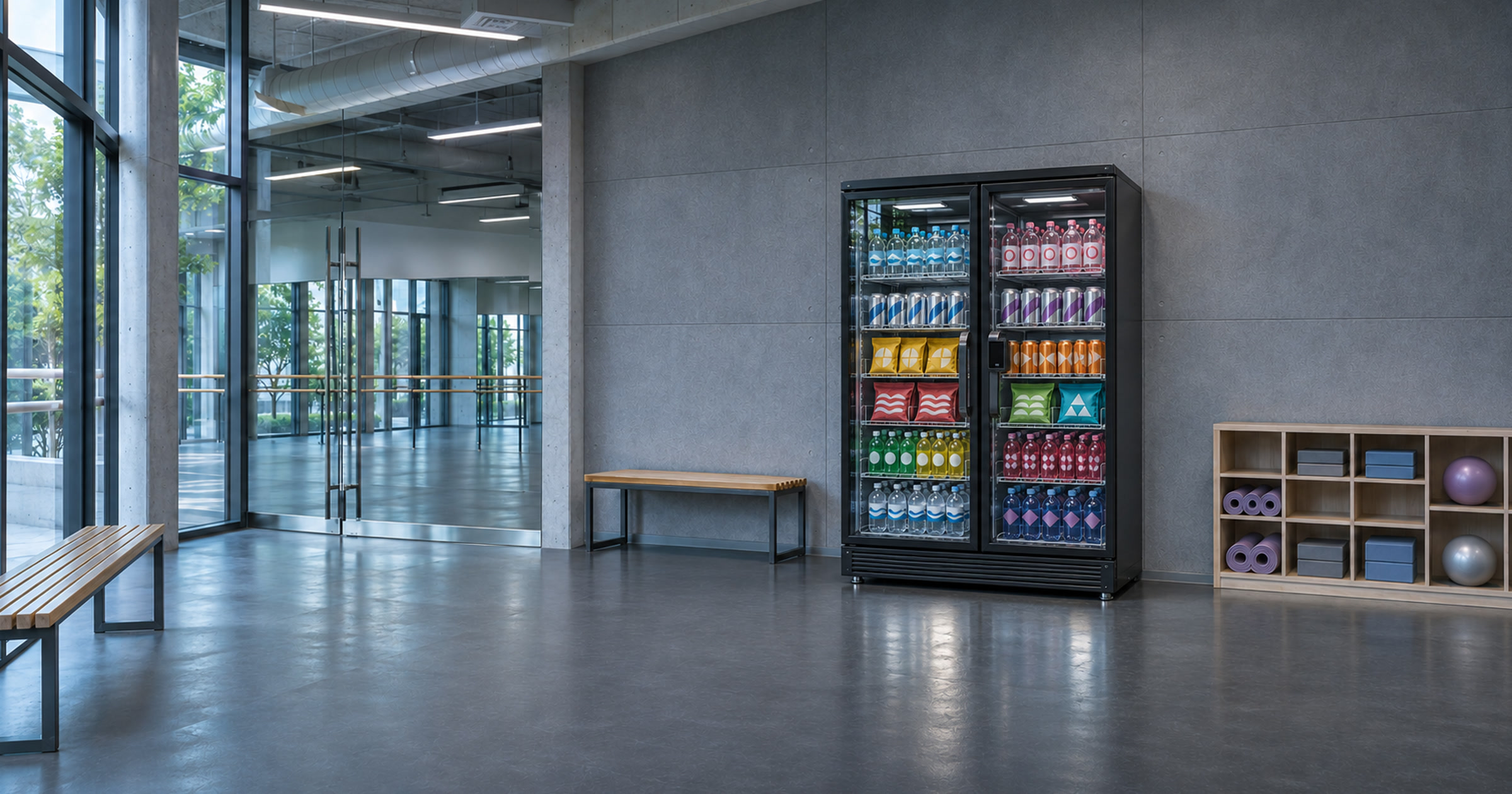
Use two calendars, not one busy-night guess
Pull the next eight weeks of normal classes and the next six months of special events. Mark three things for each:
- when the building is busiest;
- which entrance, lobby, or viewing area people actually use; and
- whether a replenishment visit can reach the unit without crossing active practice space.
This separates steady demand from temporary surges. If the unit only makes sense during two showcase weekends, the room may not support a permanent installation. If the weekly schedule already creates reliable waiting periods, special-program traffic becomes an extra stress test rather than the entire business case.
The distinction also prevents oversizing. A large setup chosen for the busiest annual event can waste space every ordinary week. A smaller smart cooler in the right pause path may fit the regular schedule better while still helping during special events.
Use one firm rule: weekly traffic determines the equipment footprint. Peak programs determine replenishment timing and the backup plan. If recurring use cannot support the unit, an occasional crowd does not rescue the decision.
Run the event-day stress test
Before finalizing the service plan, walk the building as if the next event were already underway. Our martial arts class-change guide covers permanent placement and circulation in detail; this test asks whether the same footprint can handle the calendar peak.
Can families browse without blocking check-in? Can the cooler door open while the travel lane stays clear? Can a restocker reach the unit before or between sessions? Where does overflow seating appear? If the answer depends on moving furniture or borrowing reception staff, the location is fragile.
Use four test scenarios:
- Normal class change: several groups arrive and leave within ten minutes.
- Long waiting period: families remain on site through back-to-back sessions.
- Special event arrival: spectators enter in a concentrated wave.
- Replenishment window: service happens while part of the building is still active.
A workable setup handles all four without turning the front desk into snack support.
Keep the operator responsible
Traffic planning is only half the decision. The buyer should also know who owns stocking, technical support, and schedule-based adjustments.
Revvolto supplies and stocks the equipment for qualified locations, typically at no cost to the business. We also handle ongoing service. Studio staff stay out of inventory buying and machine troubleshooting between classes.
For special programs, agree on the handoff before installation. Decide who shares the calendar and when the operator reviews upcoming surges. Confirm where service can happen without disrupting the program. That is concrete operating work. “The machine is smart” is not an operating plan.
The right setup fits the ordinary week and has a credible answer for the unusually busy day. Plan for both, but let recurring traffic decide the permanent footprint.