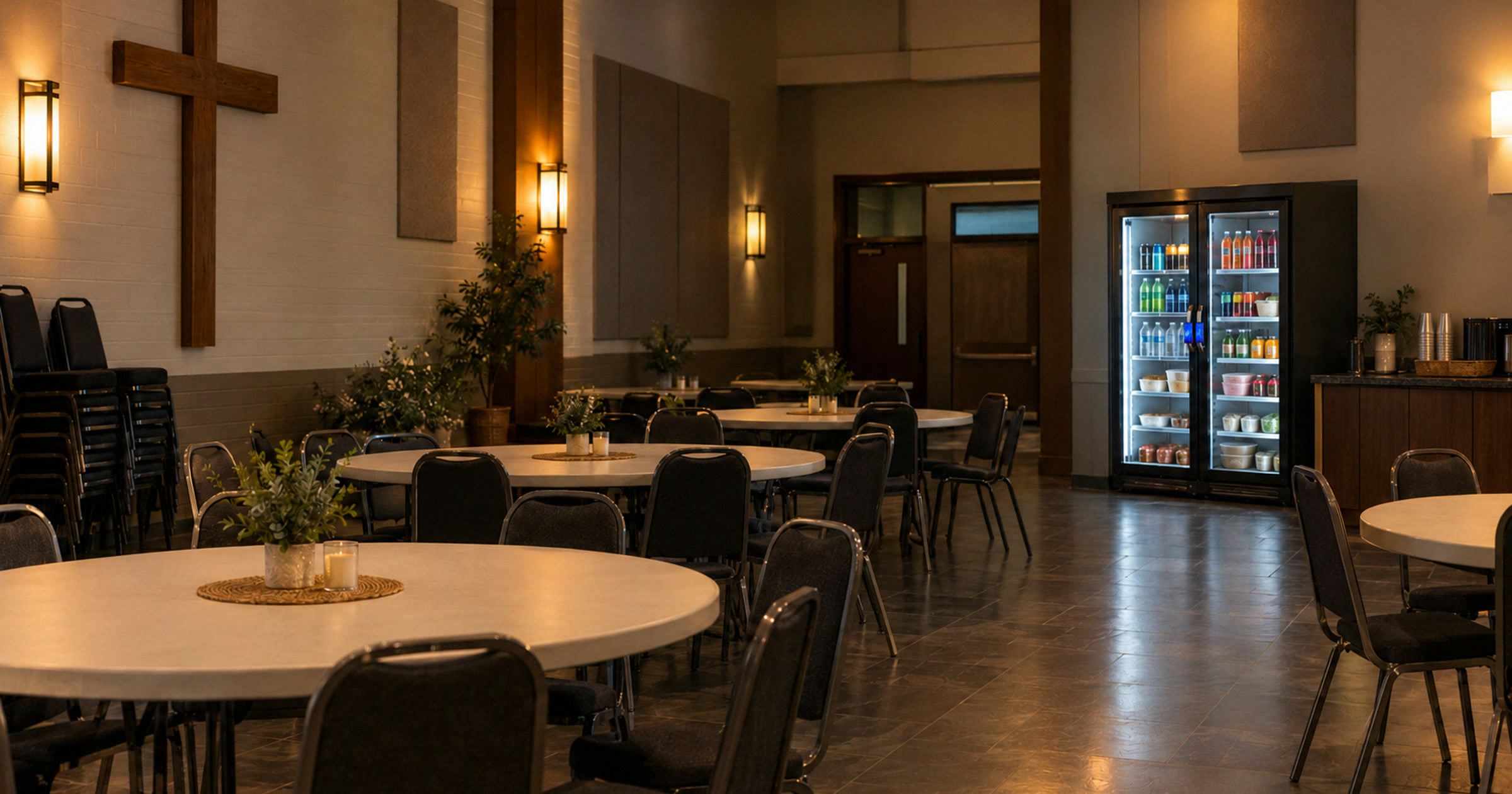
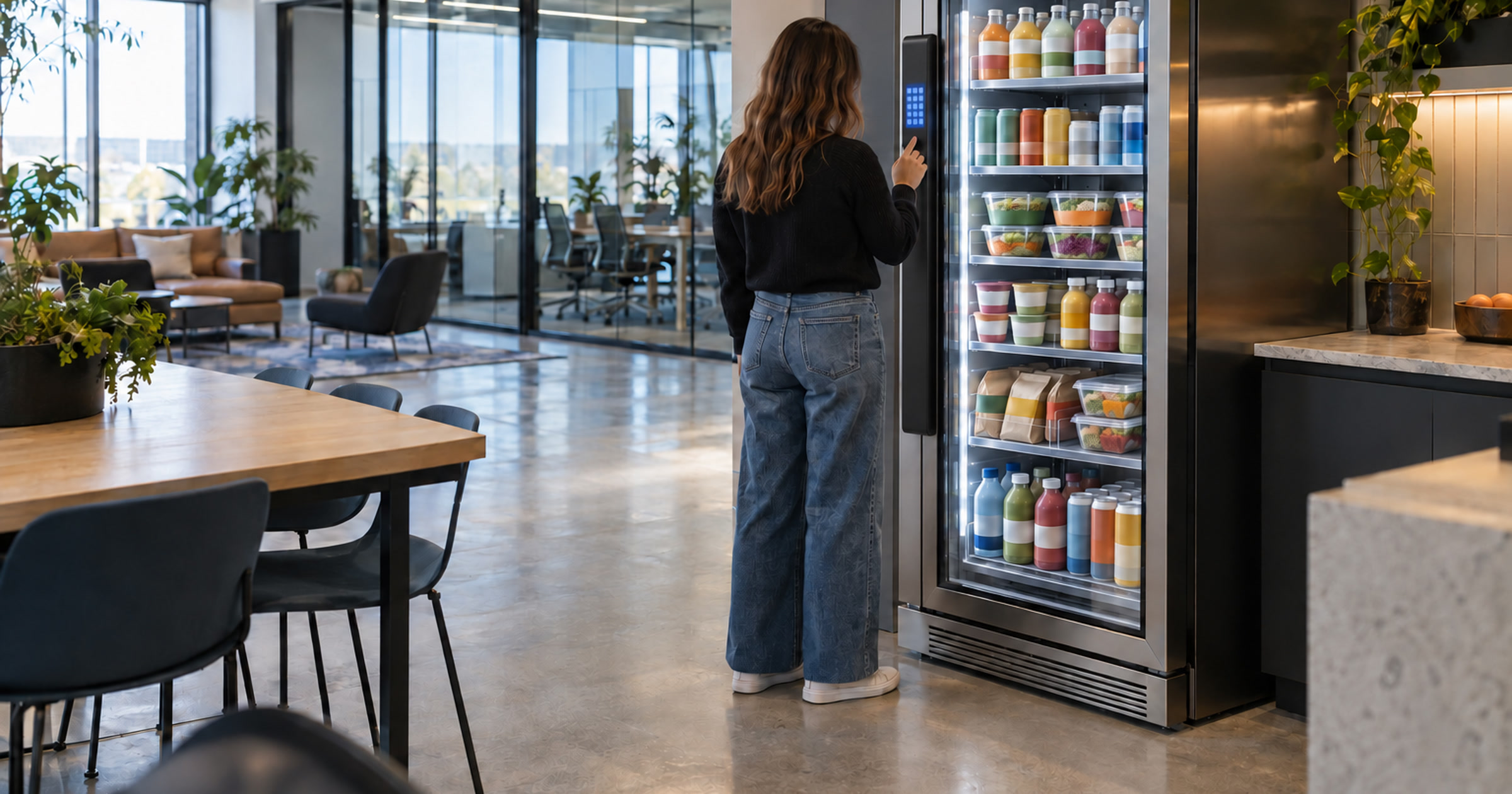
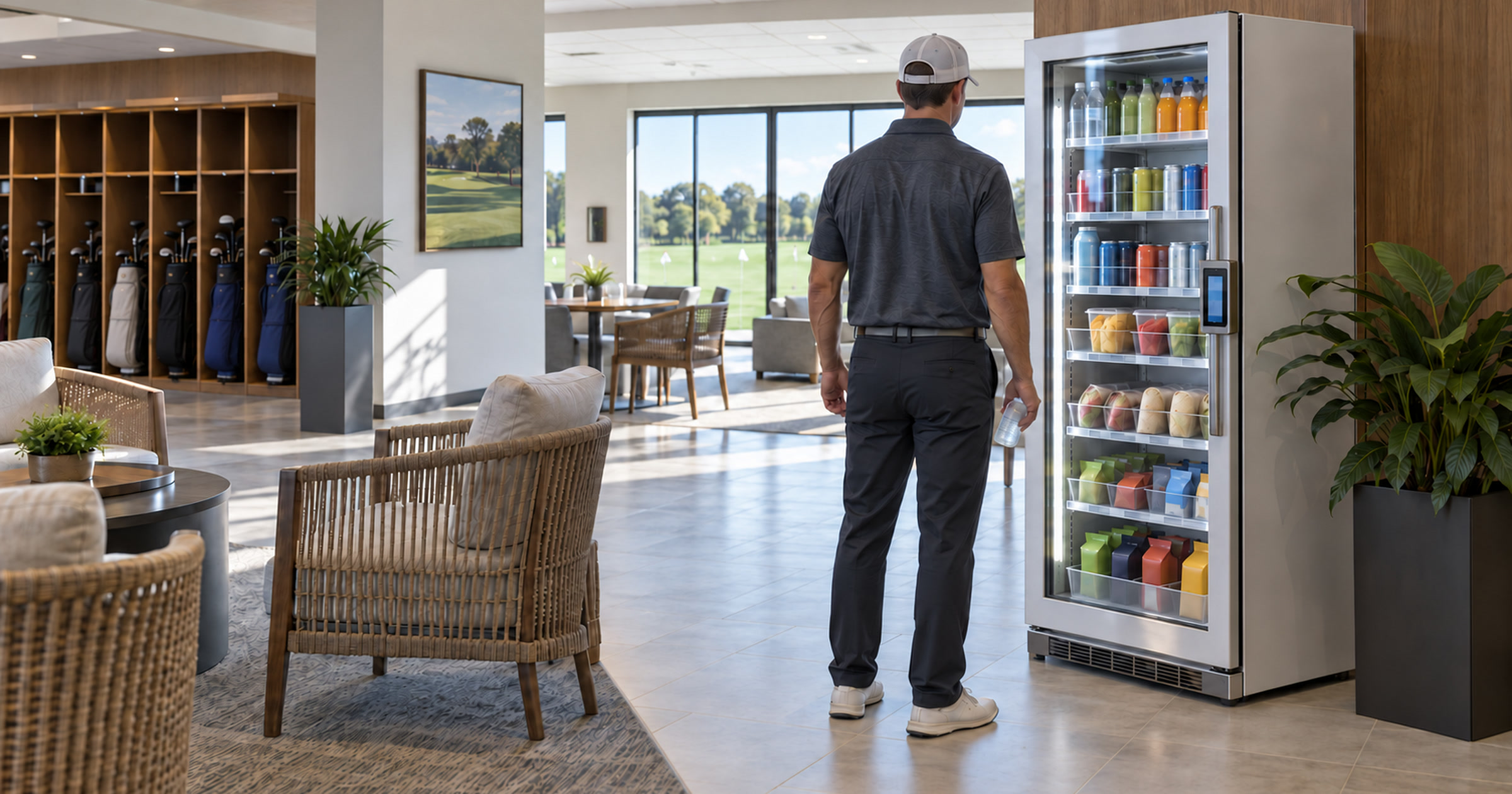
Austin apartment openings are usually judged by the visible stuff first: the lobby experience and the core amenity spaces.
That makes sense. Those are the spaces people notice.
But the food and drink plan matters too, especially once the building is occupied and the daily movement pattern becomes real. A resident coming back from work, waiting on a delivery, or heading through a lounge does not always want a full grocery trip. Sometimes the useful answer is a stocked smart vending cooler or smart fridge placed where the pause already happens.
A recent City of Austin Housing announcement offers a good local planning cue. The City said Seabrook Square I opened in East Austin, bringing 204 affordable homes to District 1. The announcement points to a building with multiple resident-facing amenities and everyday shared spaces.
Revvolto is not connected to that project. The useful takeaway is broader: when apartment communities add several daily-use spaces, food access should be planned around the resident path before those spaces start carrying traffic.
Resident amenities work better when the pause path is obvious
A vending machine does not become useful just because it is inside a building. It becomes useful when it sits near a real pause point.
In multifamily properties, that pause point is rarely random. It often forms around the package room, the lounge, or a daily service path. Those are the places where residents already slow down for a task.
That is why food access should be discussed with the amenity plan, not treated as a leftover item after furniture and signage are done. A smart vending cooler in the wrong corner can look like clutter. The same cooler near a resident path can feel like the building actually understands daily life.
The difference is not hype. It is placement.
For apartment owners and property teams, the question is simple: where do residents already pause with a free hand and a reason to grab something cold?
That answer should shape the vending location and the service route. If those details are ignored until after move-in, the team may end up forcing the unit into whatever empty wall is left. That is how a useful amenity becomes an awkward appliance.
Revvolto’s role is to make the vending side easier for qualified locations. We handle stocking, cashless payment support, and service. The property team should not have to turn the leasing office into snack inventory headquarters.
Package rooms and lounges are operational spaces now
Package rooms used to be a back-of-house convenience. In many apartment communities, they are now a daily traffic point.
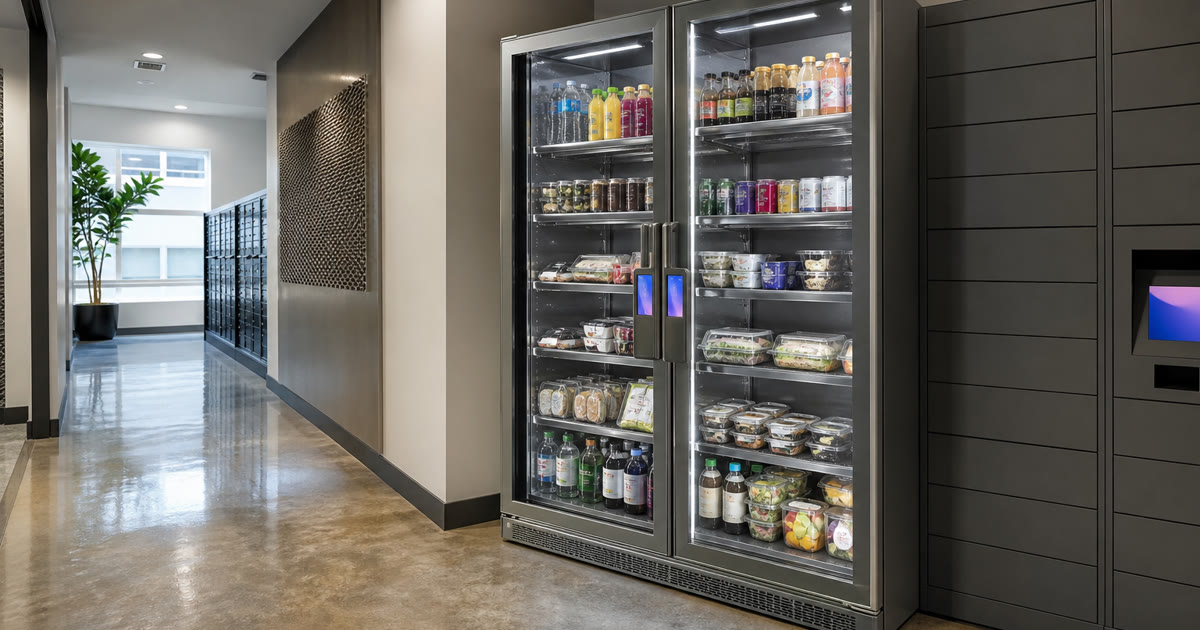
That changes the food-access conversation. A resident who walks to a package locker after work may already be near a lounge, lobby, or elevator path. A smart fridge or smart vending unit near that route can serve the short errand moment without sending residents back outside.
The City’s Seabrook Square I announcement mentions package lockers and other daily-use amenities. Those details are not just architectural notes. They describe how people may move through the property.
For Revvolto-style planning, the better buyer question is not “Should this building have vending?” It is “Which resident path can support a stocked, serviced food option without creating more work?”
That second question is more useful because it includes operations. A vending location has to be easy for residents to notice and easy for service teams to reach. If the service path is painful, the amenity becomes harder to keep useful.
This is where smart vending can outperform a loose snack shelf or unmanaged honor-market setup. The machine creates a defined place for product, payment, and restocking. The property gets a cleaner operating model. Residents get something available outside cafe hours or leasing-office hours.
That does not mean every apartment building is a fit. Traffic, space, and service logistics still matter. The point is to review those details early enough to make a good decision.
Opening-stage planning beats retrofit scrambling
The best time to plan vending is before the resident journey is locked.
Once the lounge furniture is set and the outlets are spoken for, the vending conversation gets narrower. The team may still find a spot, but the spot may not be the right one.
Apartment openings and major amenity refreshes are good moments to ask practical questions.
Where do residents pass through most often? Where can a smart cooler be visible without blocking movement? Where can Revvolto service the unit without disrupting the space?
Those questions are not glamorous, which is exactly why they matter. A good vending plan is usually won by ordinary details.
The machine should fit the room. The product mix should fit the resident moment. The service plan should fit the property team’s workload. If those pieces line up, smart vending can support the amenity experience without turning into another thing staff has to babysit.
For mixed-use and apartment buildings, that can mean a resident lounge cooler for after-hours drinks and snacks. It can also mean a compact food-access point near the package path.
The format matters less than the fit.
The buyer lesson for Austin multifamily teams
Austin keeps adding housing in different forms, from affordable rental communities to mixed-use ownership projects. Each opening adds more than units. It adds movement through shared spaces.
That movement is where food access should be planned.
A smart vending unit is not a magic amenity. It will not fix a poorly planned resident experience. But when it is placed in the right pause path and serviced by the right operator, it can make everyday access easier without adding a snack-management job to the property team.
That is the practical takeaway from this local hook.
When a new apartment community opens, the amenity plan should not stop at furniture and leasing flow. It should include the resident food-access question while the site team can still make clean placement decisions.
Revvolto helps qualified Austin-area buildings add modern smart vending and smart fridge options that are stocked, maintained, and built for cashless use. If you are planning a resident amenity space or package-room path, start with the route people already take.
Then put the food access where the pause already exists.
Tell us about the location at revvolto.com/contact-us.