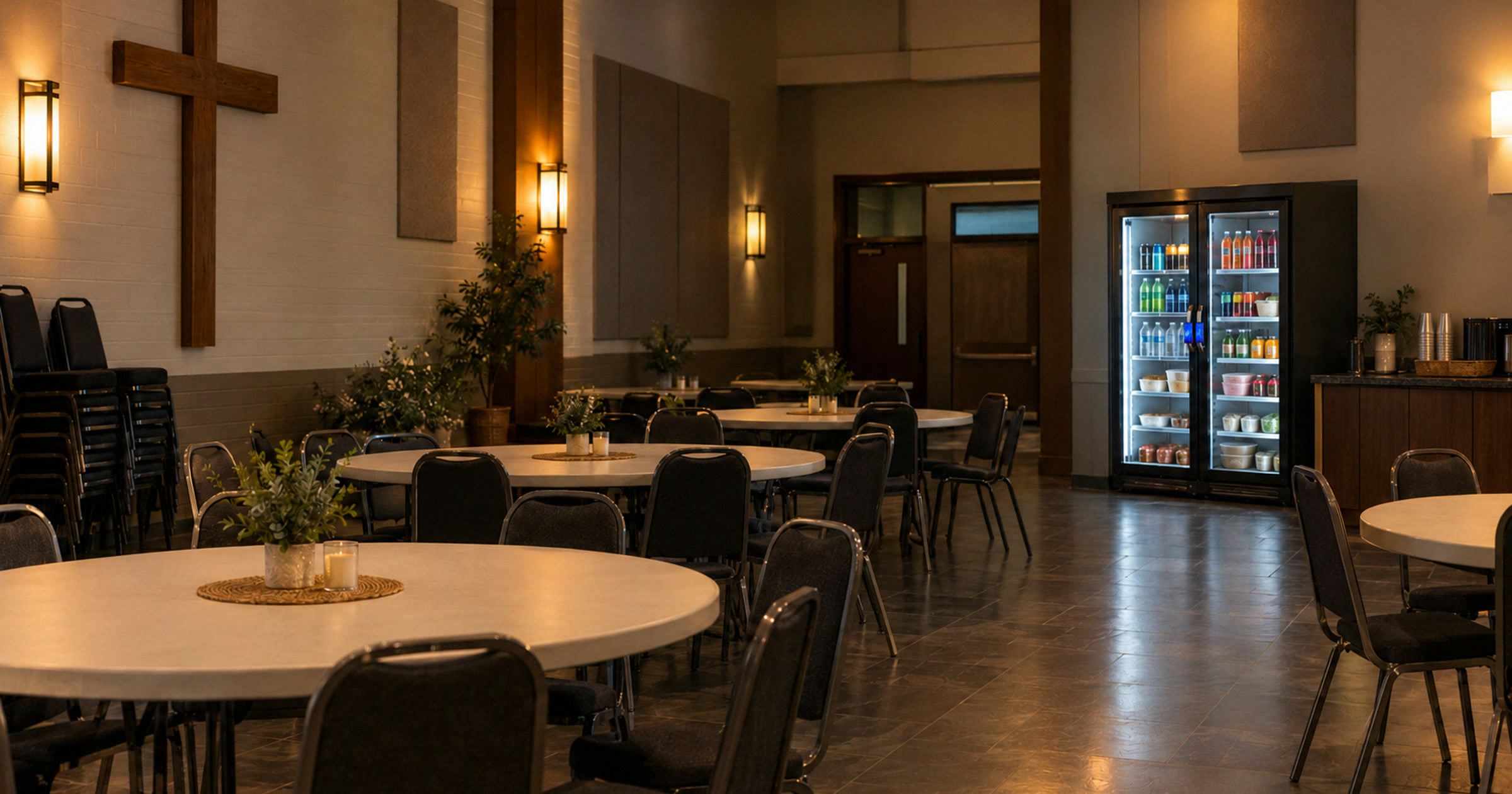
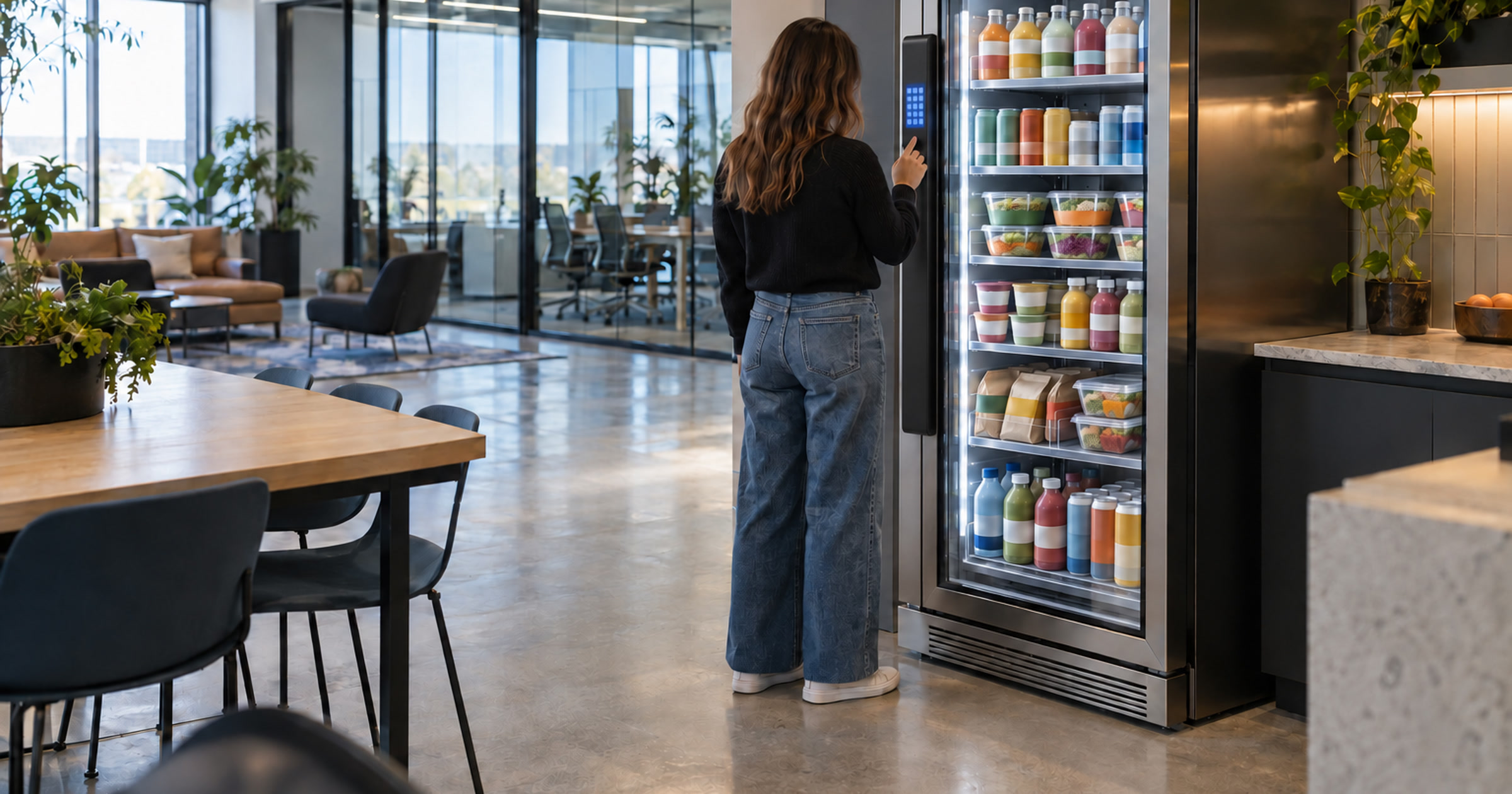
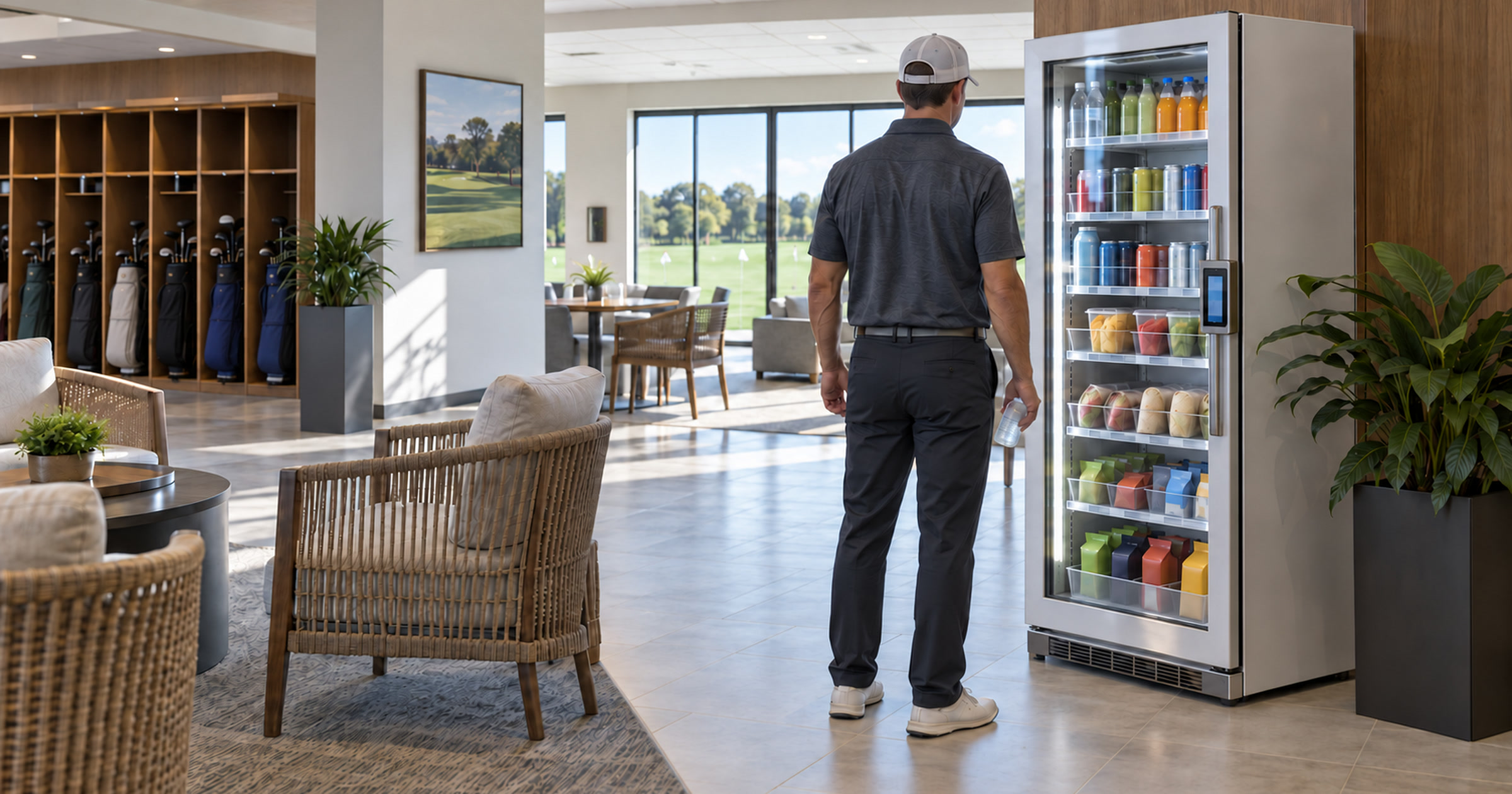
InterFace Austin Multifamily 2026 is set for Sept. 16 at Austin Marriott Downtown. The event page points to apartment operations, renter preferences, and resident experience. That is useful timing for one plain question: if your building is rethinking amenities, where does everyday food access fit?
This is not about copying hotel service or adding another perk because everyone else has one. Multifamily teams have to think about how residents actually move through the property. The best amenity is rarely the flashiest one. It is the one people use without making a special trip.
Revvolto has no affiliation with InterFace Austin Multifamily or Austin Marriott Downtown. We are not connected to the event organizers or speakers. The local hook is the conversation around Austin apartment operations and resident experience. The buyer lesson is simple: smart vending and smart fridges work best when they support the building’s real daily paths.
Resident amenities are judged in the boring moments
Apartment amenities usually get sold in polished language. Fitness center. Lounge. Coffee bar. All useful, when they fit the property and actually get used.
But resident experience is often decided in smaller moments. Someone gets home late and does not want to drive back out. Someone is waiting on laundry. Someone needs a drink after the gym. Someone is between meetings in a coworking room and wants something quick without leaving the building.
That is where a smart vending machine or smart fridge can be more useful than it looks on a floor plan. It does not need to be the star of the amenity deck. It needs to sit near a real pause point.
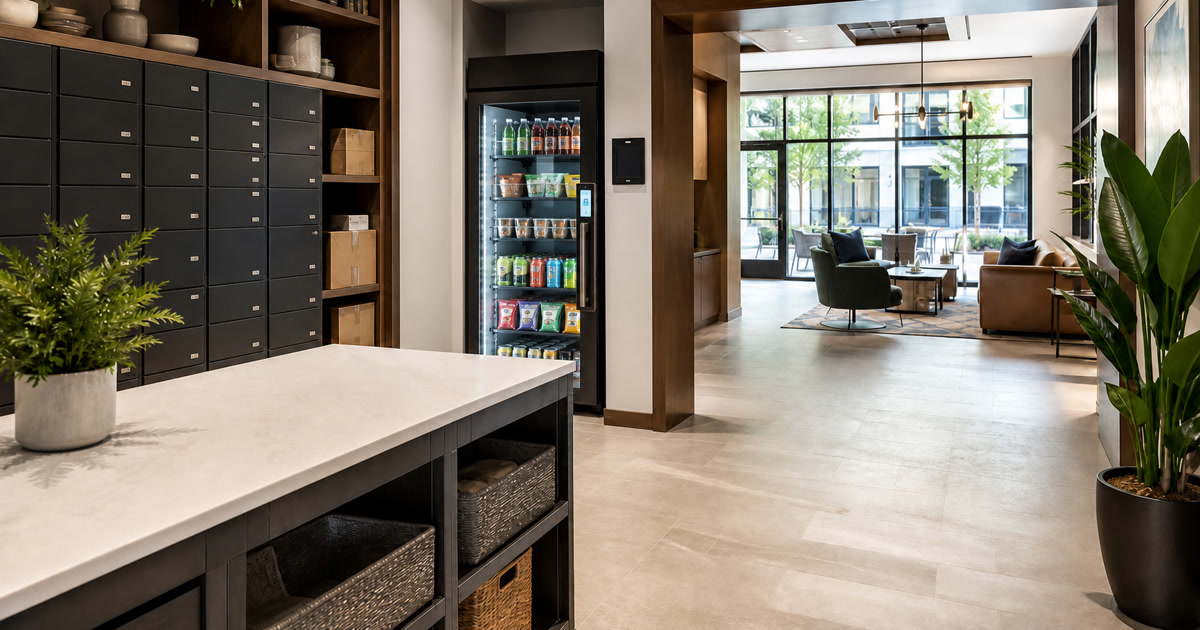
For Austin multifamily properties, that can mean a resident lounge or package area. The exact spot matters more than the brochure language. A good unit in the wrong corner becomes furniture with snacks inside. A good unit on the natural path becomes part of the property’s daily rhythm.
This is also a retention-of-attention issue. If residents leave the building for every small need, the property’s shared spaces feel less useful than they should. Food access will not carry an amenity strategy by itself, but it can make the rest of the space work better.
The placement question should come before the product question
A lot of food amenity conversations start with product mix. Drinks, snacks, refrigerated meals. That matters, but it should not come first.
The better first question is placement: where do residents already slow down?
That answer changes by property. A building with heavy package traffic may need food and drink near the pickup path. A building with a busy gym may need cold drinks near the exit. A building with coworking rooms may need something close enough that people do not abandon the building for every short break.
This is also where service access matters. A smart cooler that is convenient for residents but annoying to restock is not a smart plan. The placement has to work for use, refill cadence, and building flow. Otherwise the amenity becomes one more thing the team has to babysit.
Revvolto’s role is to make that easier for qualified locations. We help evaluate fit and install modern cashless equipment. We also keep the unit stocked on a regular cadence and handle the service side. The building team should not become the snack team.
Smart vending can support resident experience without overbuilding it
The Downtown Austin Alliance’s 2026 State of Downtown report points to residential and mixed-use deliveries continuing through 2027, even as the broader development pipeline cools. That matters because many properties are not trying to add endless amenities. They are trying to make the amenities they already have work harder.
A smart fridge or smart vending setup fits that mood. It can support a lounge without turning it into a cafe. It can support a gym without pretending to be a nutrition program. It can support after-hours convenience without requiring a front desk food operation.
The key is not to oversell it. Smart vending is not magic. It will not fix a weak location, bad traffic path, or poor product fit. It works when the audience is there, the placement is visible, and the service model is realistic.
For Austin apartment teams, that makes it a practical amenity decision. Not a luxury statement. Not a gimmick. A small food access system that can sit where people already are.
What Austin property teams should ask first
Before adding any unattended food option, ask a few grounded questions.
Where do residents naturally pause? Which area has enough daily traffic to justify a stocked unit? Can service happen without disrupting the property? Does the product mix match the reason people are there?
Those questions will tell you more than a trend deck. A premium lobby may not be the right spot if nobody lingers there. A simple package-room path may be better if residents pass through it every day. A quiet coworking alcove may work if people use it for long sessions.
The point is to plan for actual behavior, not imaginary amenity photos.
InterFace Austin Multifamily is a good reminder that resident experience is not only about big design choices. It is also about the small operational details that make a building easier to live in.
If your Austin-area property is evaluating resident amenities, Revvolto can help you figure out whether a smart vending machine or smart fridge makes sense for the location. Tell us about the property at revvolto.com/contact-us.