Austin smart vending works best when it follows the way people actually enter, pause, and leave a building. Transit changes are a good reminder of that.
CapMetro’s approved August 2026 service changes began on August 16. The agency described the updates as a way to make trips easier, improve connections, and better match service with how people are riding today. That is transit language, but there is a building-operations lesson inside it.
When arrival patterns change, the food access plan inside nearby buildings should get a second look.
Revvolto is not connected to CapMetro or these service changes. We are using the update as a practical local cue. If people arrive from a street entrance or shuttle stop, the best vending location is rarely the leftover corner. It is the pause path people already use.
Austin smart vending should start with the arrival path
A smart vending machine or smart fridge is not just a box with snacks in it. In a real building, it becomes part of the path between arrival and the next obligation.
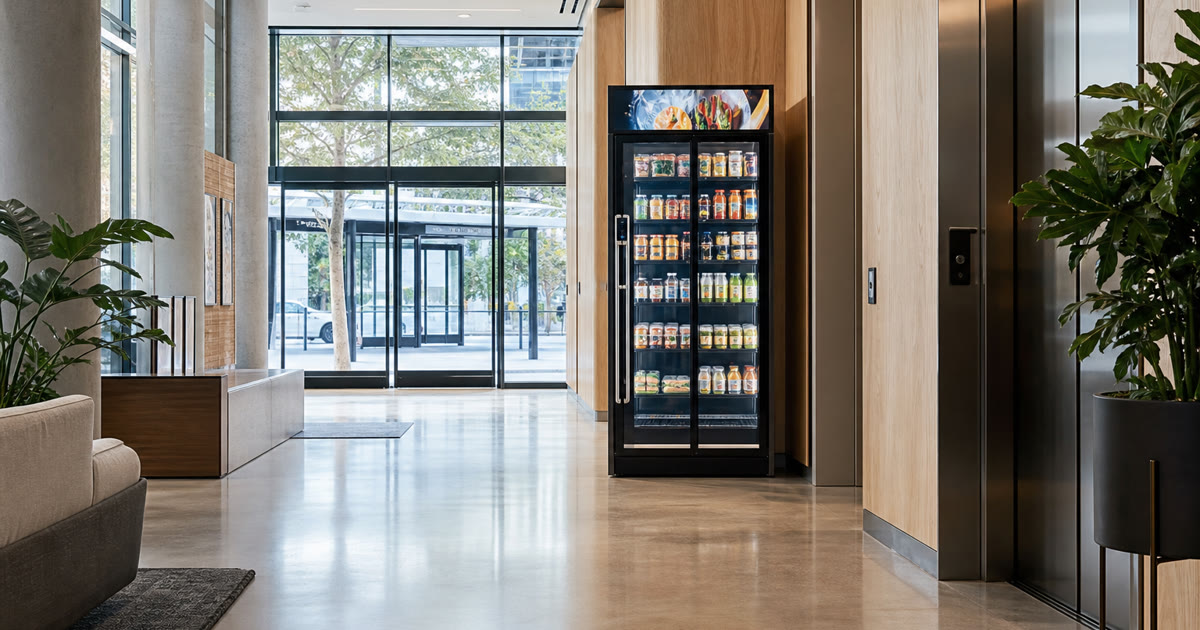
That path might run from a street-facing entrance to elevators. It might sit between a lobby and a tenant lounge. On a campus or mixed-use property, it might connect a transit stop to a staff entrance. The specific layout changes, but the question stays simple: where do people naturally slow down for thirty seconds?
That is where food access starts to make sense.
CapMetro’s Route 2 extension is meant to improve East Austin connections, including travel between neighborhoods and downtown. For nearby buildings, that kind of movement should not be treated as abstract planning news. It affects how people arrive, where they wait, and which entrance becomes more important during the day.
If a vending unit is hidden far from that movement, the amenity asks people to make a separate trip. Most people will not. They are heading to the next obligation. The unit has to fit the rhythm, not demand its own errand.
The right spot is visible, calm, and serviceable
Good placement has three jobs.
First, people need to see the unit before they have already committed to the elevator or the next room. Visibility matters because grab-and-go is usually an impulse decision. If the machine sits behind a wall or past a locked door, the building has already made the decision harder.
Second, the spot needs a little calm around it. A busy doorway is not automatically a good vending location. People should be able to make a quick choice and move on without blocking the main entry path. That is especially true in buildings with commute peaks or shuttle patterns.
Third, service access has to be boring in the best possible way. Revvolto handles restocking and service, but the building still needs a clean route for that work. If service requires awkward carts through the middle of a lobby at the worst time of day, the placement will annoy everyone faster than it helps anyone.
The best location usually balances all three: visible enough to use, calm enough to approach, and reachable enough to maintain.
Transit-oriented buildings should plan for short breaks
Transit-adjacent does not only mean apartments next to rail or office towers beside a bus stop. It can include campuses and mixed-use properties where arrival timing is less predictable.
That unpredictability is the point.
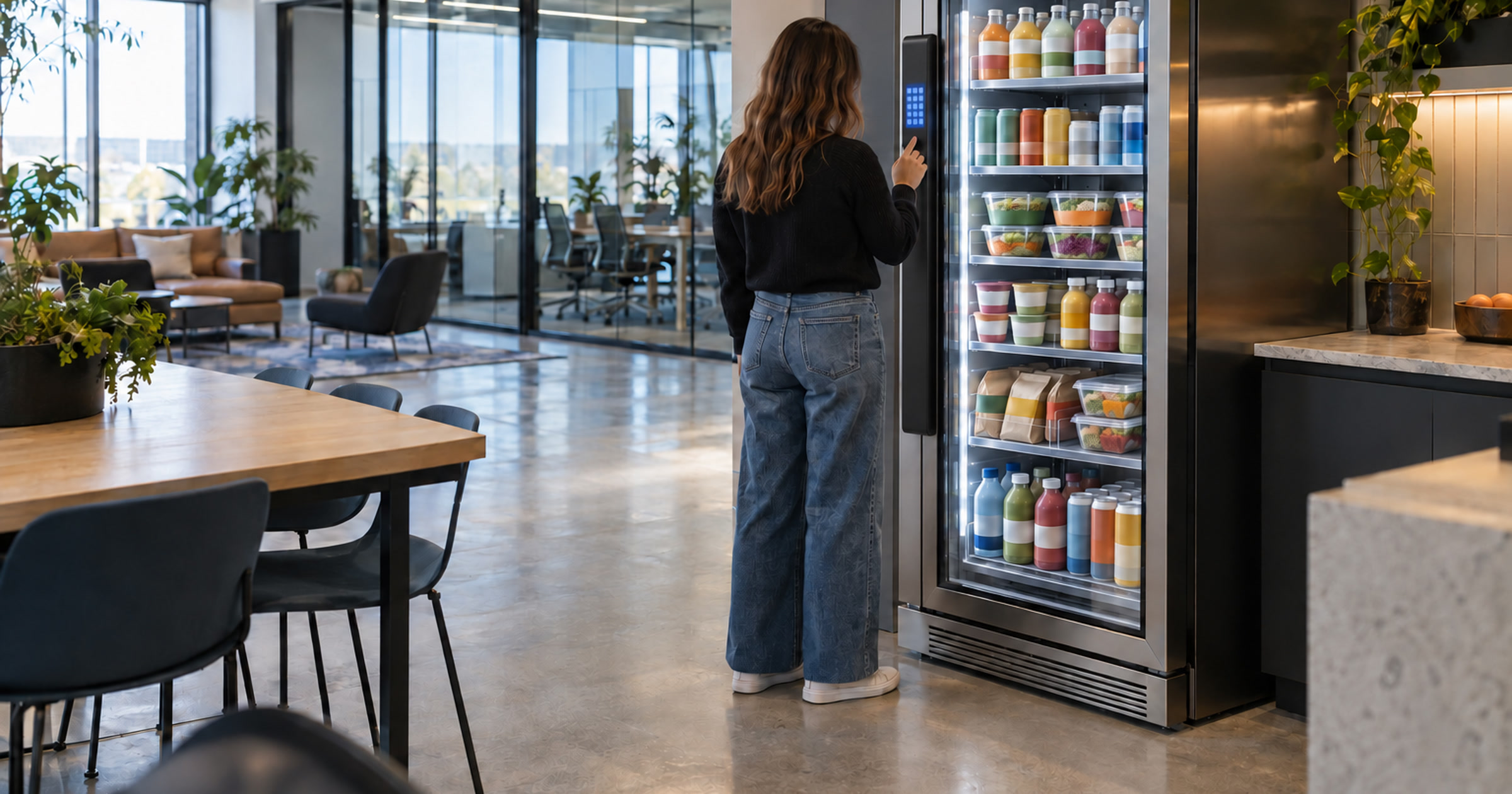
Someone who just made a connection may not have time to leave again for a drink. A staff member between shifts may not want a full meal run. A visitor waiting before an appointment may only want something quick and cashless. Those are not dramatic moments, but they are exactly where smart vending can earn its place.
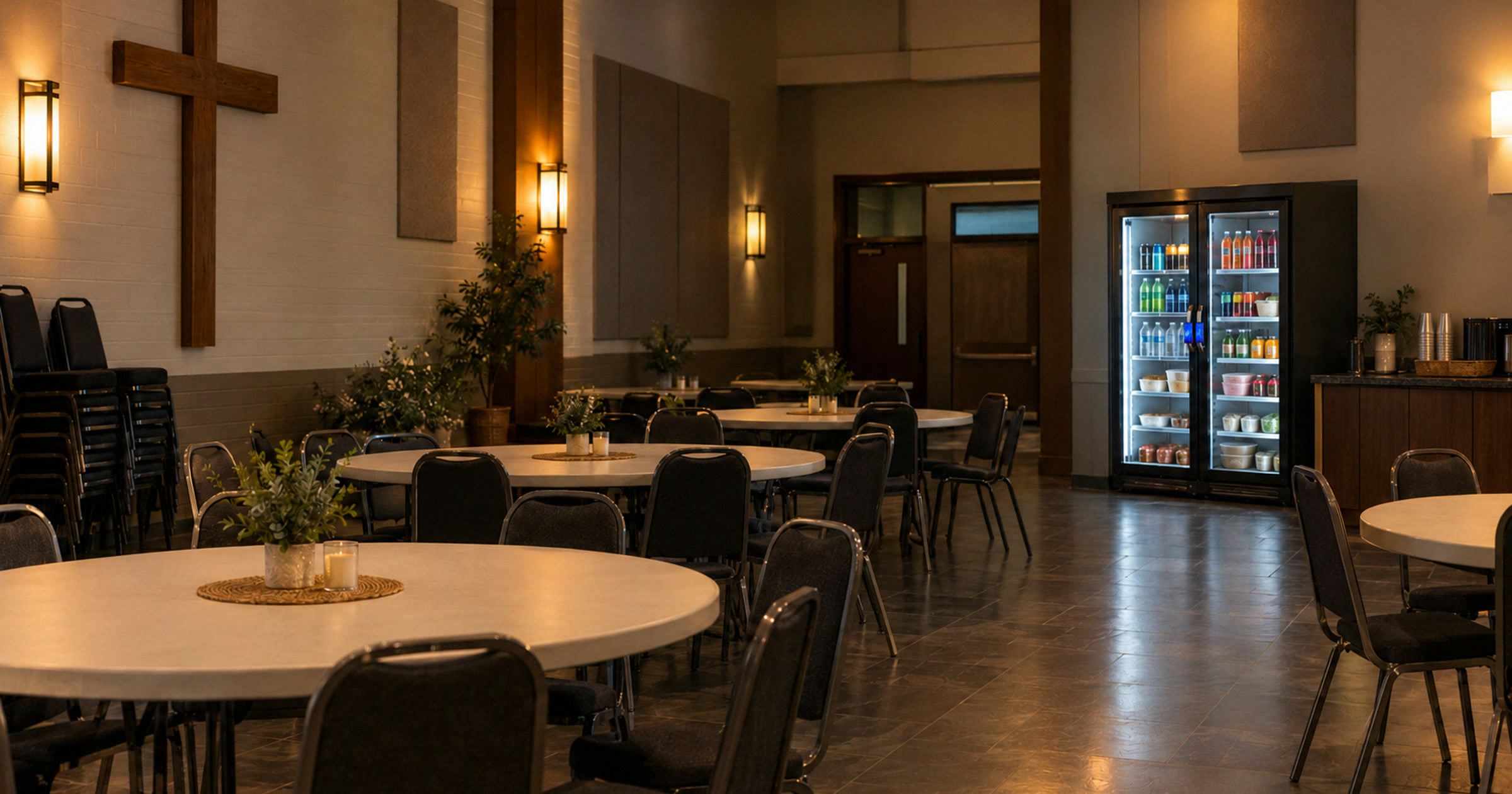
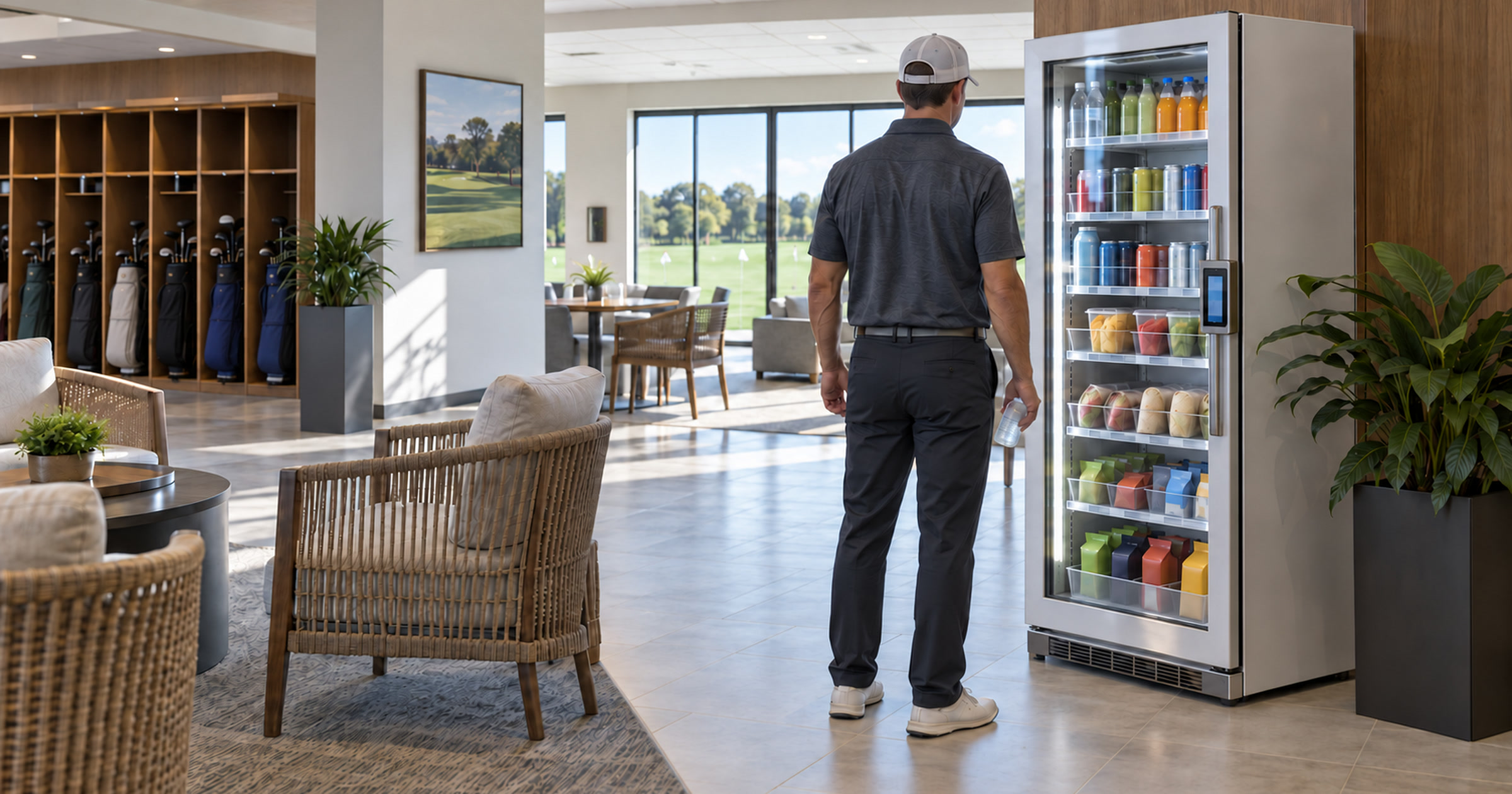
This is where a modern smart fridge or smart cooler beats a vague breakroom plan. It can sit closer to the real path, carry a practical mix of drinks and snacks, and stay supported by an outside service team. The building does not have to turn a reception desk or facilities team into a snack operation.
The product mix still has to match the audience. A campus entry may call for different items than an office lobby. A staff-only area should be planned differently from a visitor-facing space. The right answer comes from traffic, access, and the job the location needs the amenity to do.
A local service change is a good reason to audit the layout
The useful move is not to overreact every time a route changes. The useful move is to notice when the building’s daily rhythm may be shifting.
CapMetro’s August update is a timely prompt for that kind of audit. Which entrances get more activity? Where do people wait? Which hallway already works as a natural pause point? Can a stocked smart cooler live there without creating clutter, access issues, or extra work for your team?
Those questions are much better than asking, “Where can we fit a vending machine?”
Fit comes before hardware. A full glass smart cooler can look great and still underperform if it lives in the wrong corner. A compact smart vending setup can feel obvious and useful when it sits near the path people already trust.
For Austin buildings shaped by transit or commute timing, food access should be part of the layout conversation. Not because every lobby needs a machine. Because the right location can support people without adding another operational chore.
If your Austin-area building is rethinking entry paths or staff food access, tell us about the location. We can help you think through whether smart vending or a smart fridge belongs on the path people already use.