CapMetro’s approved August 2026 service changes start today, and the useful lesson for Austin building teams is not “bus routes changed.” It is this: when movement shifts outside a property, the weak food-and-drink spots inside the property get exposed fast.
CapMetro says the August updates are meant to make trips easier, improve connections, and match service with how people are riding now. The Route 2 Rosewood/Cesar Chavez extension adds service along Springdale Road between Oak Springs Road and 7th Street, with a construction detour in place at launch. Route 217 shifts to Vargas Road and changes how people reach nearby community spaces. KVUE also covered the Sunday start and noted the East Austin route changes.
Revvolto has no affiliation with CapMetro or KVUE. We are also not connected to the City of Austin or Transit Plan 2035. The local signal is simpler and more useful: building circulation is not fixed. A lobby or shared room can feel different the week a route pattern changes.
That is where smart vending becomes a planning question instead of an amenity afterthought.
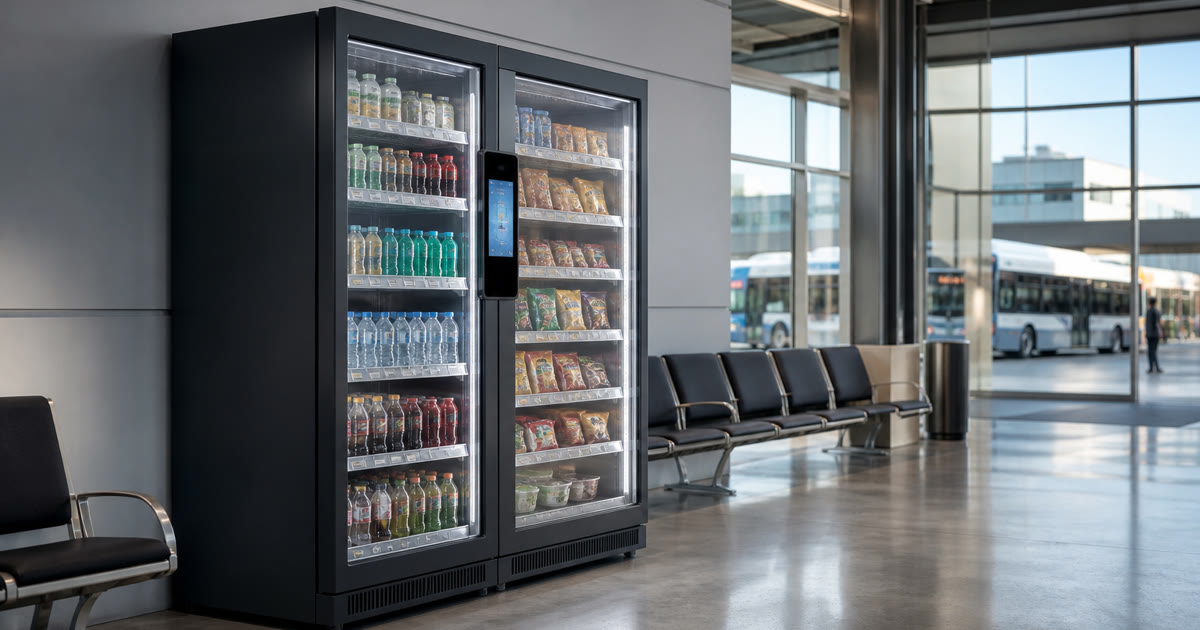
Transit changes make the entrance worth rechecking
The entrance is where the building tells the truth.
If more people arrive from a changed transit path, the first few minutes inside the building matter more. People are not thinking about your amenity map. They are thinking about the next stop in their day.
That makes the food-access question practical: where do people naturally slow down?
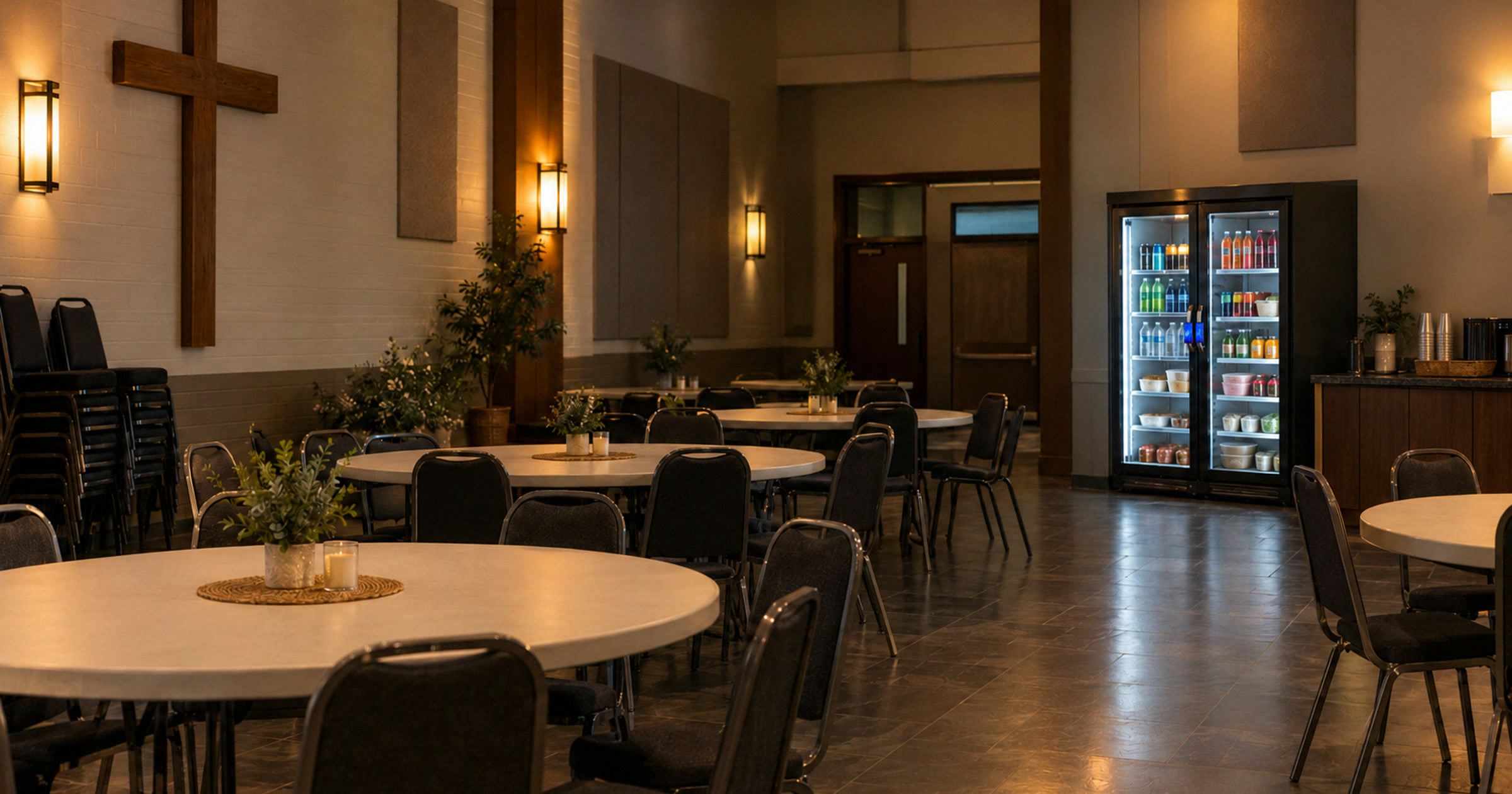
A smart vending machine or smart fridge does not need to dominate the lobby. It needs to sit where a real pause already exists. That might be near the elevator path. It might be beside a seating nook. It might be close to a staff entrance or mailroom. The point is not to chase foot traffic like a carnival booth. The point is to remove a small friction from the path people already use.
The mistake is placing food access where the floor plan had leftover space. That usually creates the forgotten-corner problem: a unit technically exists, but using it feels like a detour.
East Austin movement is a reminder to design around real paths
Route changes are not vending news. They are movement news.
For property teams, movement news matters because daily behavior changes in small ways before anyone updates the amenity plan. A side entrance gets busier. A lobby gets more early arrivals. A shared corridor becomes the path between transit and the rest of the building.
Those small shifts are easy to miss from a desk. That is enough movement to matter.
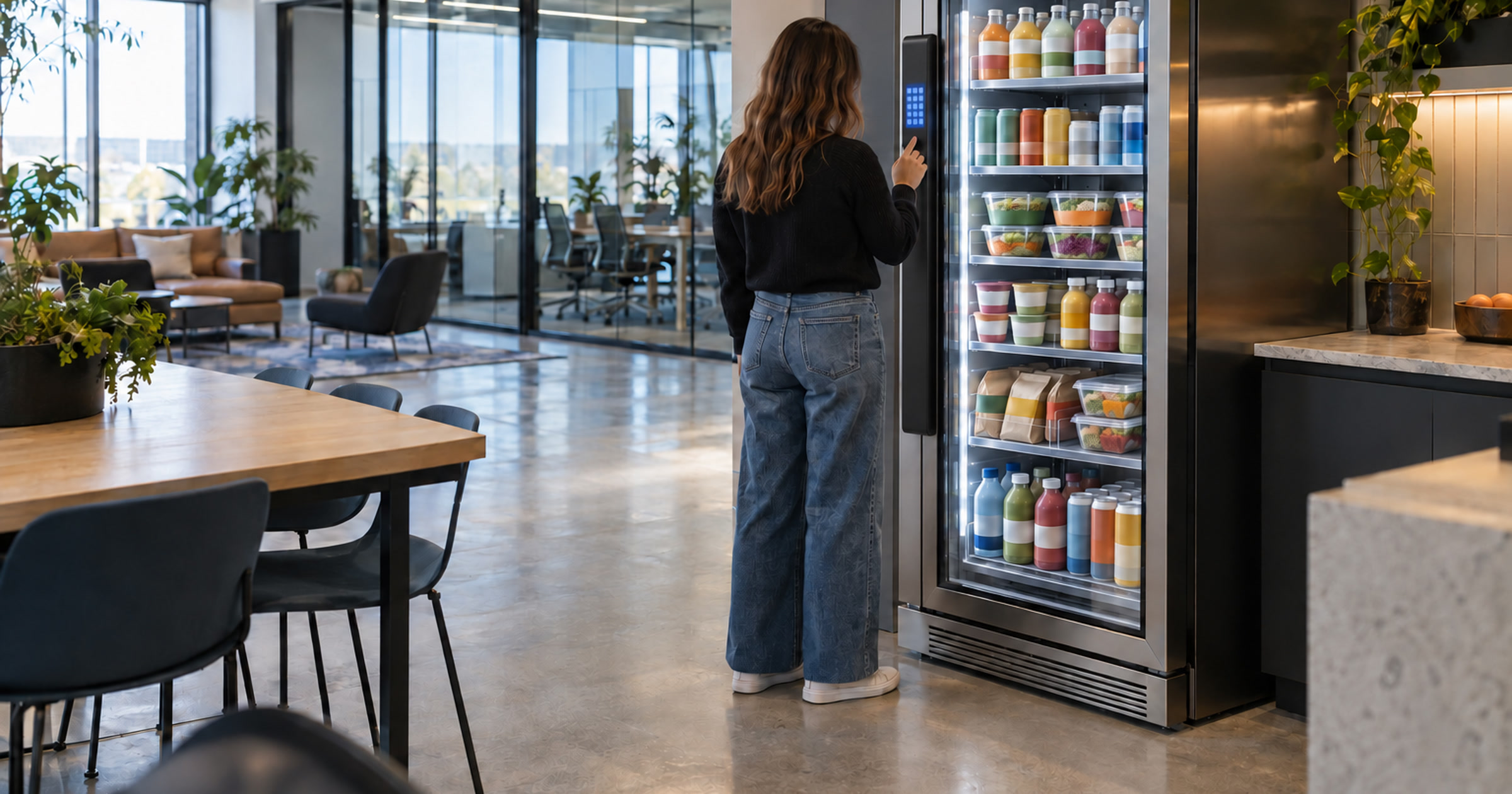
Walk the path instead. Start where people enter. Notice where they stop without being told. Then ask whether that pause point supports a clean, stocked, cashless option for a drink or quick snack.
This is also where a managed setup matters. A bowl at reception becomes someone’s chore. A shared shelf turns into clutter. A fridge without clear ownership gets weird quickly, and nobody needs a mystery-yogurt crime scene in the name of workplace hospitality.
Revvolto is built for the cleaner version: a modern smart vending or smart fridge setup stocked and maintained by Revvolto for qualified locations, typically at no cost to the business or property. The building team gets a useful grab-and-go amenity without becoming the snack department.
Smart vending should fit the building, not fight it
The right unit depends on the room.
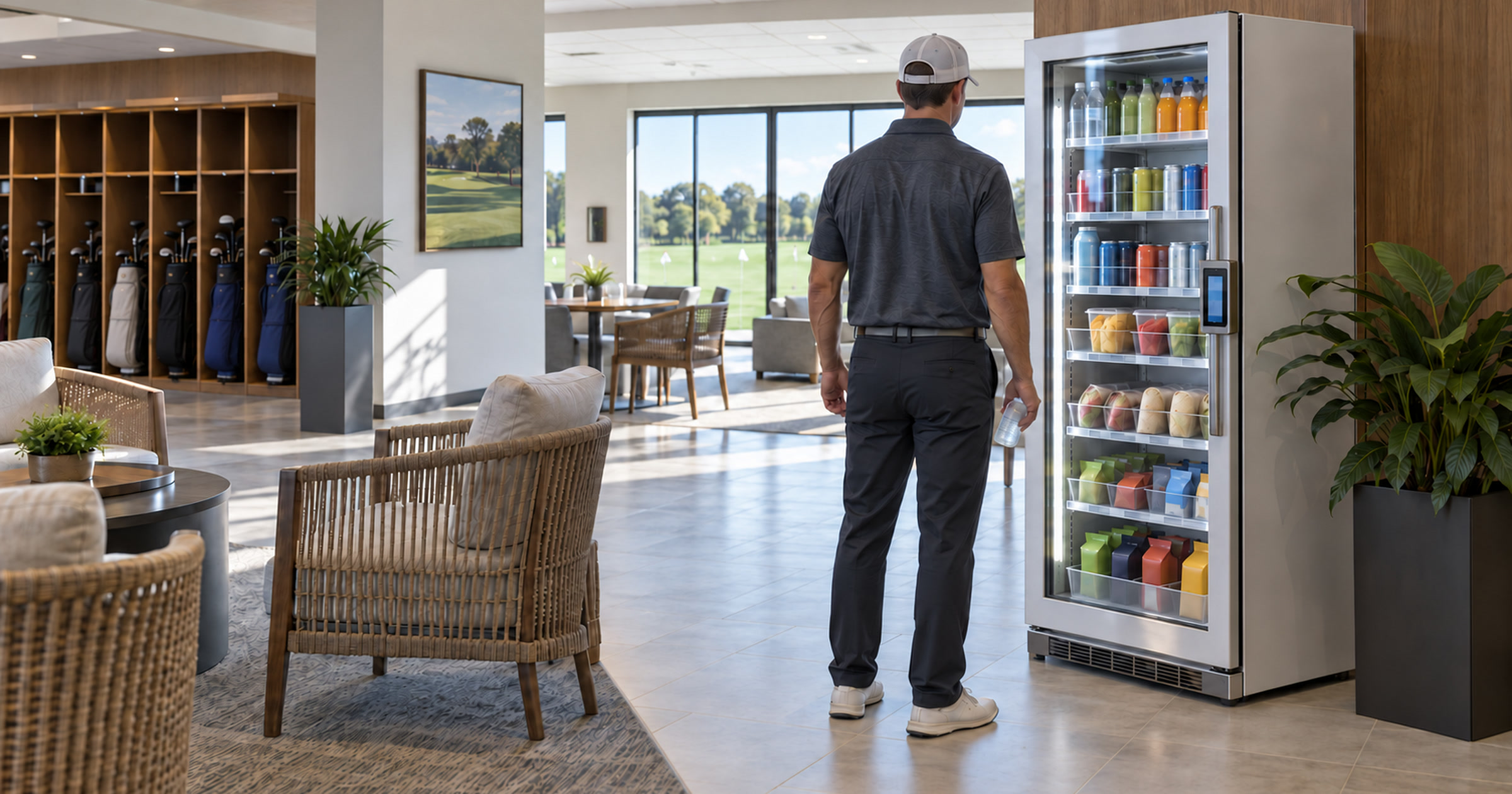
Some spaces need a compact smart fridge. Some need a full glass smart vending unit. Some need a small micro market setup where the audience and layout justify it. The wrong move is picking equipment first and hoping the building adapts around it.
For a transit-adjacent Austin property, the better order is simple. First, identify the pause point. Second, confirm service access. Third, match the format to the people using that path.
A resident lobby does not behave like a workplace entrance. A clinic staff area does not behave like a mixed-use corridor. A dealership waiting area does not behave like a gym vestibule. The common thread is not the building type. It is the moment when someone could use a fast, cashless option without leaving the path they were already on.
That is why route and mobility changes are worth watching. They give property teams a reason to re-walk the building with fresh eyes.
The best amenity placement starts before complaints show up
Waiting for complaints is a sloppy planning method.
By the time people say the food option is inconvenient, the building has usually been telling you for weeks. People leave the property for something small. Front-desk teams get asked where snacks are. Breakrooms get stretched by traffic they were not meant to handle.
Austin keeps changing, and the buildings that feel easiest to use are usually the ones that notice movement early. CapMetro’s August service changes are one more reminder to check whether food access still matches the way people arrive, pause, and move through the space.
Smart vending is not the answer for every property. But if your building has a real entrance path and enough daily use, it is worth a serious look.
Revvolto helps Austin-area businesses and property teams evaluate where smart vending, smart fridges, or compact micro markets actually fit. If your building’s traffic path changed, tell us about the location at revvolto.com/contact-us.