Austin keeps giving property teams the same message in different clothes: research, startup activity, and advanced manufacturing are not staying neatly inside one building type.
The latest local signal comes from the University of Texas at Austin, where UT News wrote on August 25 that the university’s startup pipeline is helping move research into market-ready companies tied to domestic manufacturing and supply chains. The article points to campus labs, startup support, and interdisciplinary work that connects research talent with business formation. That is not a vending story on its face. It is a building-operations story hiding in plain sight.
When research campuses get busier, food access cannot be treated like an afterthought. People move between lab work and team rooms on schedules that do not always match a staffed cafe. Smart vending gives those buildings a cleaner option than hoping everyone has time to leave the site.
The research campus pause path is different
A normal office breakroom has fairly predictable movement. A research campus is messier. Teams may split their day between bench work and review sessions. Some spaces are secure. Some are shared. Some are quiet enough that a noisy snack run feels out of place.
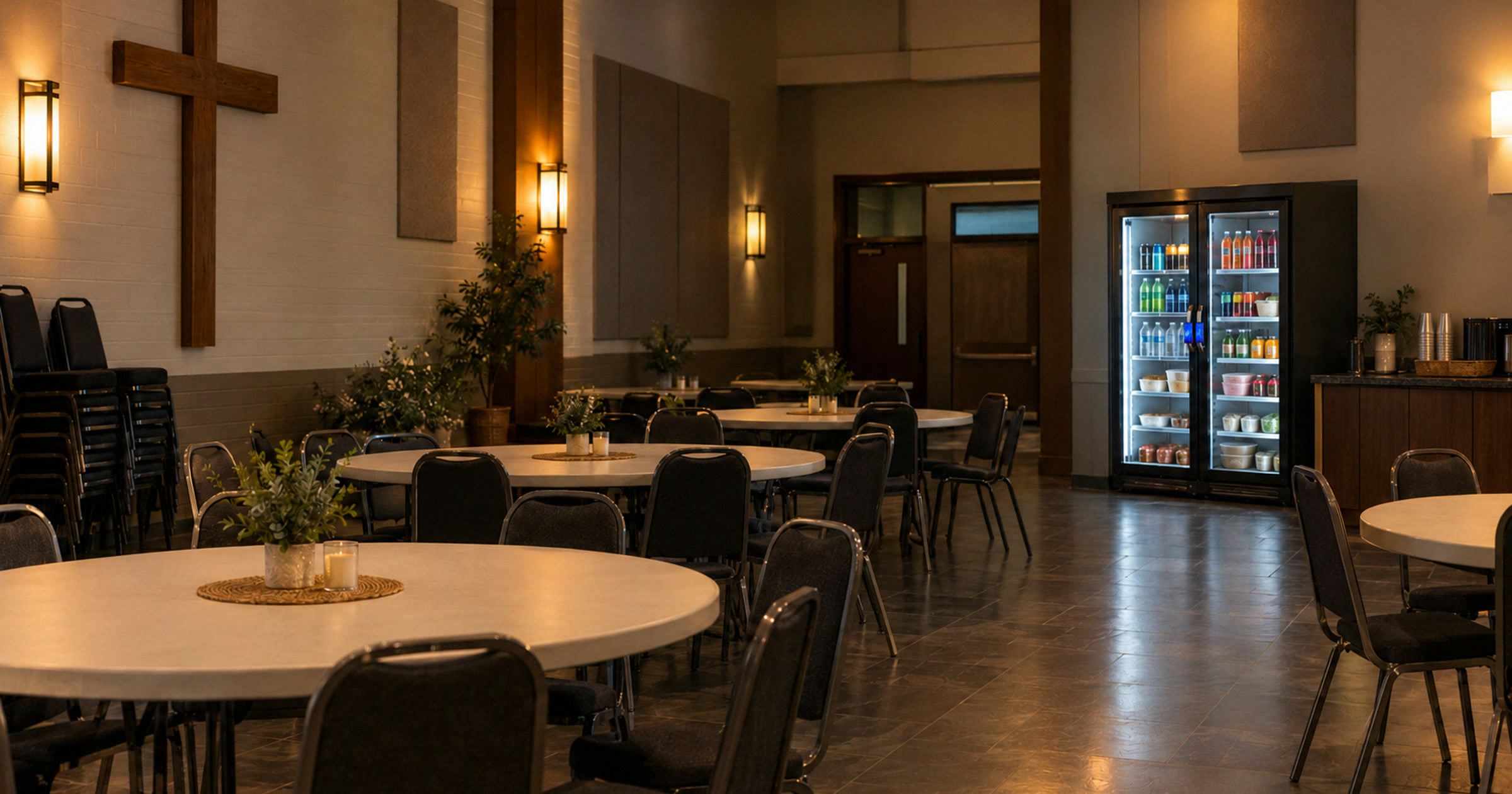
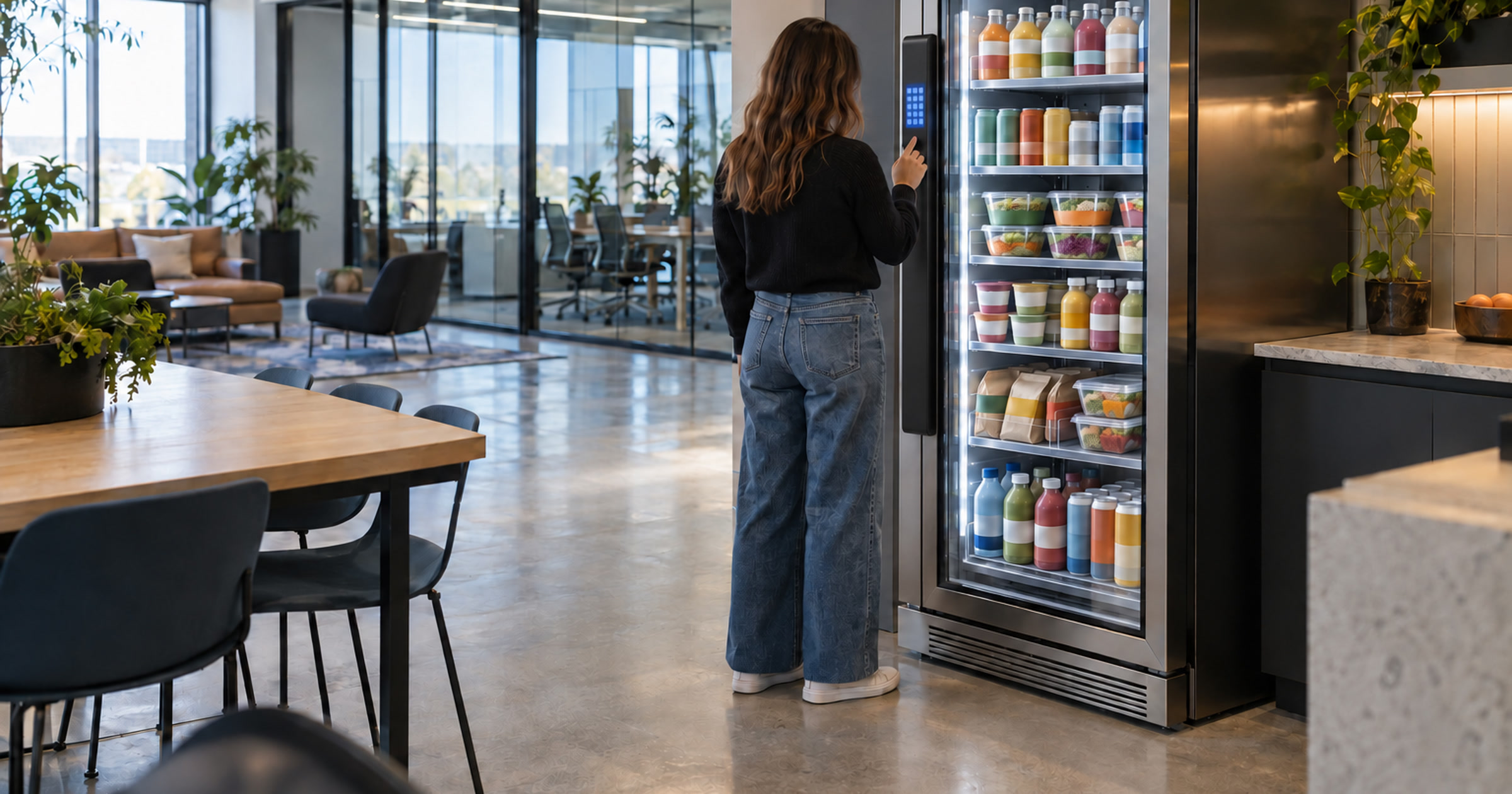
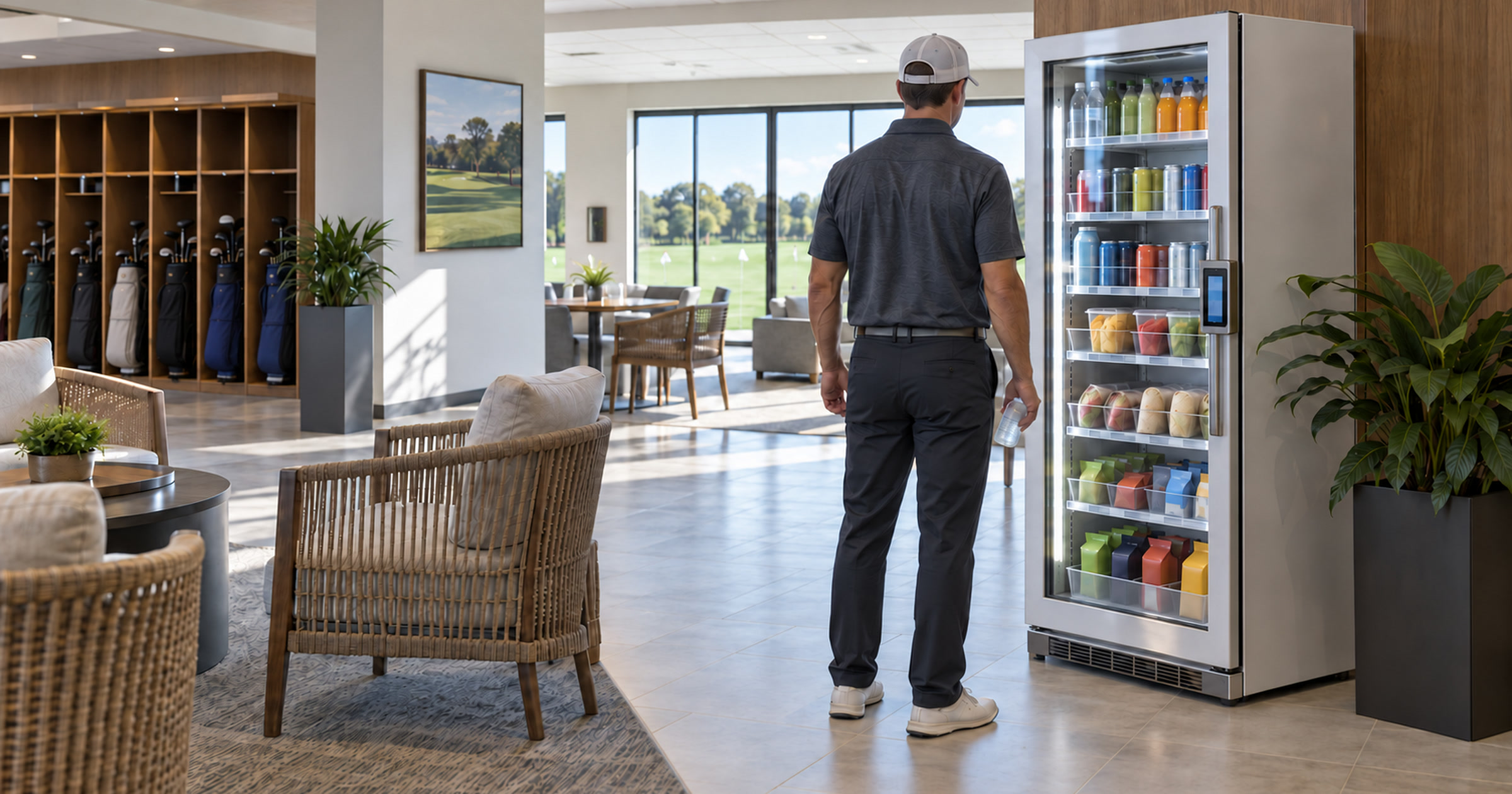
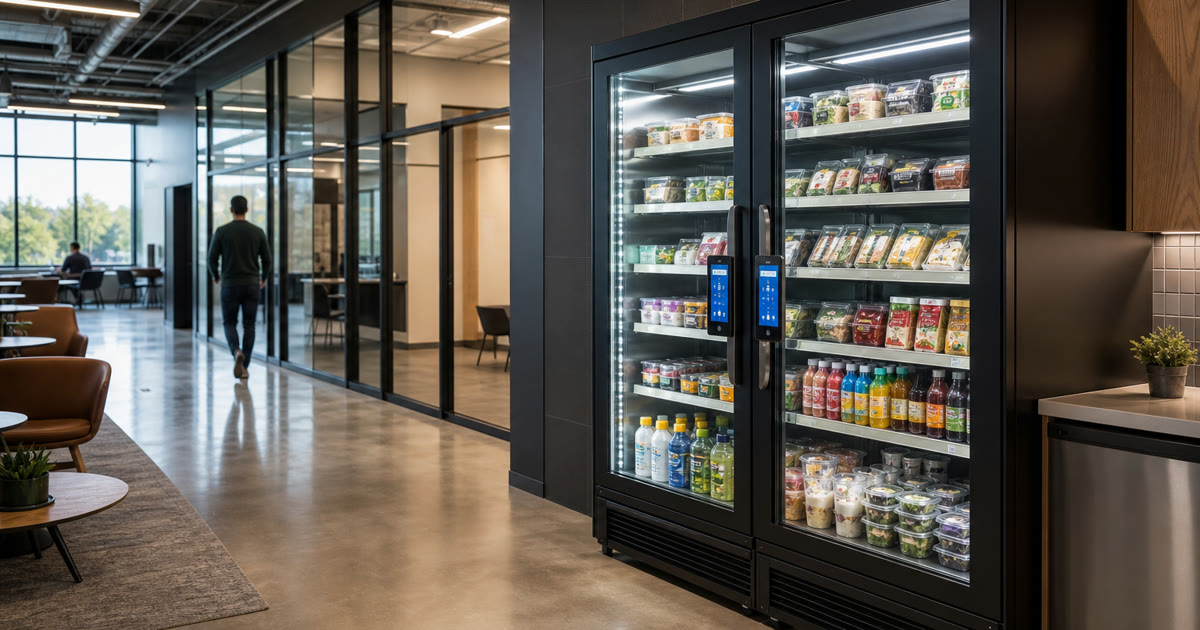
That is why placement matters more than the machine itself. A smart vending machine tucked in a forgotten corner will not solve much. A smart fridge placed near a natural pause point can support the way people already move through the building.
For research settings, that pause point is often outside the lab or along the route to a staff lounge. The goal is not to turn a serious workplace into a convenience store. The goal is to make food and drinks reachable without sending people across campus for every break.
UT’s August 25 article is useful because it shows how much activity can sit inside one ecosystem where research moves toward company formation. Buildings that support that kind of work should think about food access as part of the operating plan, not as decoration added after occupancy.
Smart vending works best when operations own the details
Food access sounds simple until someone has to maintain it. The problem is not just where the cooler goes. It is who watches stock levels, who handles payment support, and who answers when something breaks.
That is where modern smart vending and smart fridges are stronger than the old breakroom model. A managed setup can give the site a stocked, cashless option without asking internal staff to become snack managers. Revvolto handles the stocking, payment tech, and service. For qualified locations, that is typically at no cost to the location. The practical win is boring in the best possible way: fewer loose ends for the building team.
Research campuses should be especially careful with this part. The wrong food setup can create small daily interruptions for facilities teams that already have enough to do. A better setup gives people access while keeping service routes clear and ownership obvious.
The operational question is blunt: if the building gets busier, does the food plan scale without adding a new chore? If the answer is no, the amenity is not really finished.
Austin’s innovation buildings should plan before the rush
The best time to plan a smart vending location is before the hallway is locked, the furniture lands, and the break area becomes whatever space was left over.
For lab-adjacent buildings, the planning conversation should be practical. Where do people naturally pause? Where can service happen without blocking a key route? Where can a smart cooler stay visible without interrupting focused work?
A compact smart vending setup can work in places where a larger food-service model does not make sense. It can also serve longer operating windows than a staffed counter. That matters for teams that start early, stay late, or move through the building in waves.
None of this requires pretending every research campus has the same pattern. A startup incubator, a wet-lab building, and an advanced manufacturing office each have different traffic. But the buyer question is the same: can people get a decent grab-and-go option without creating work for the team running the space?
What property and facilities teams should check
Before adding a smart fridge or smart vending machine, walk the actual building path. Not the prettiest lobby path. The daily path.
Start with the places people already use between tasks. Then look at service access and payment support. If a machine looks good but is hard to restock, it will become a headache. If it is convenient for service but invisible to users, it will underperform.
For Austin research campuses, the safest early plan is usually a staff-side or tenant-amenity location with clear circulation. That keeps the unit accessible without implying anything about a real lab, customer, or named institution. It also keeps the placement focused on everyday building operations instead of hype around the local news hook. That restraint matters.
The UT story is a reminder that innovation work creates real building needs. People still need quick food access between meetings and long work blocks. The smart move is to plan that access before the building gets crowded and everyone starts improvising.
If your Austin-area building has a research or advanced manufacturing team moving through it, Revvolto can help map where smart vending actually fits. Tell us about the location at revvolto.com/contact-us.