Summer makes bad food-access planning more obvious.
When people are moving through a warm building, leaving for a drink or a quick snack feels less harmless than it does in milder months. That is true in a warehouse break area. It is true in a gym refreshment corner. It is also true in a hotel corridor, apartment amenity path, or clinic staff room where breaks are short and the nearest store is not really nearby.
The answer is not to throw a vending machine into the first empty corner. That is how a useful amenity becomes furniture with cold drinks inside.
A better summer vending plan starts with the buyer question: where do people already pause, and what does your team not want to manage by hand?
For qualified locations, we can install and operate modern vending machines or smart coolers. The value is not just the equipment. It is the way stocking, payment support, and service ownership sit around it.
Heat changes the way people use a building
Summer does not create the need for convenient food and drinks. It exposes the weak spots.
OSHA notes that heat exposure can happen indoors or outdoors, and it names warehousing among indoor work environments where workers have experienced heat-related illness. NIOSH also explains that heat stress risk can involve physical exertion, limited air movement, and clothing or PPE.
That does not mean a vending machine is a heat-safety program. It is not. Your safety plan and worksite controls sit in a different category.
But summer does make one practical building question harder to ignore: when someone has a short break, where can they get something cold without leaving the flow of the day?
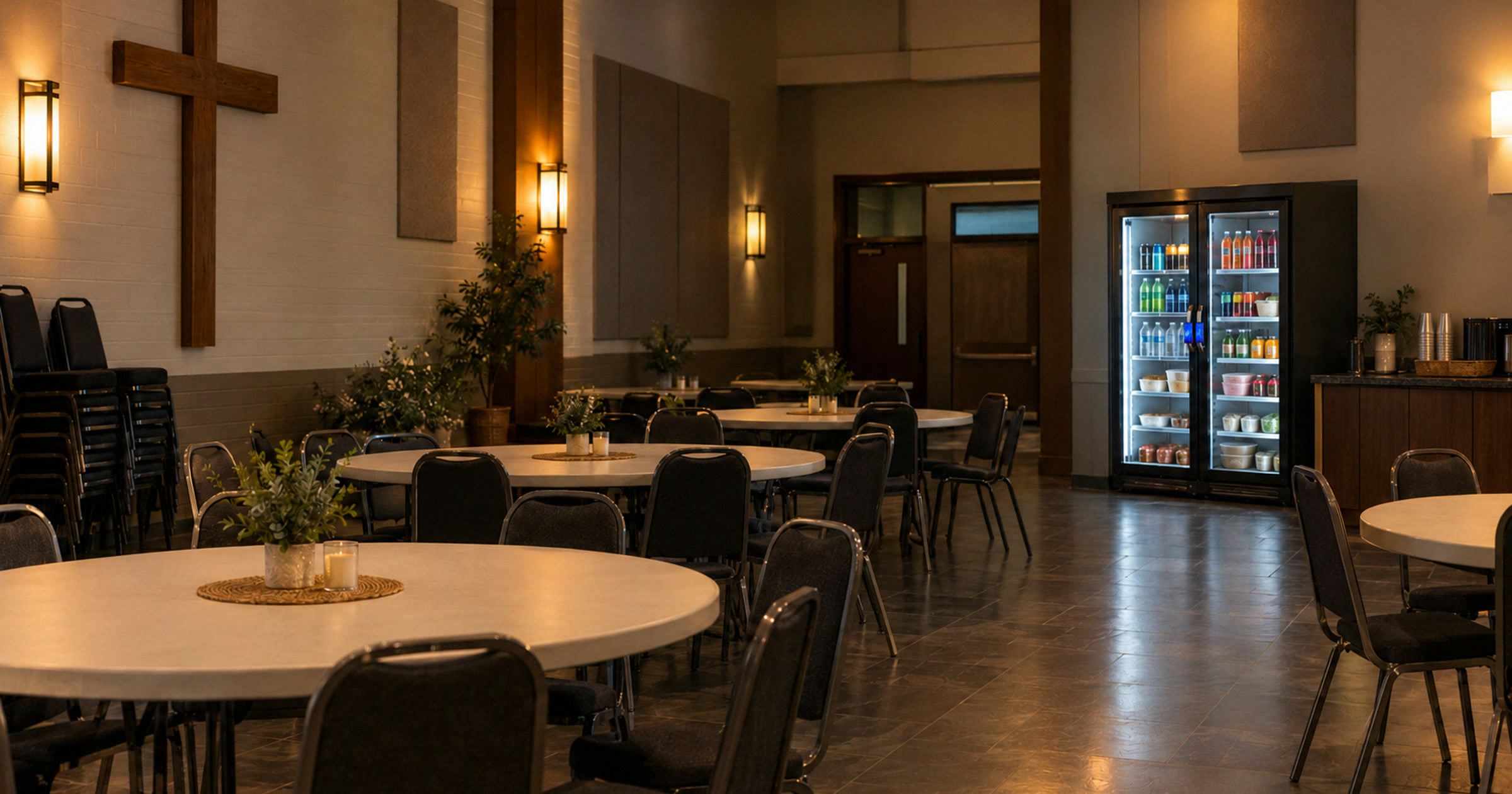
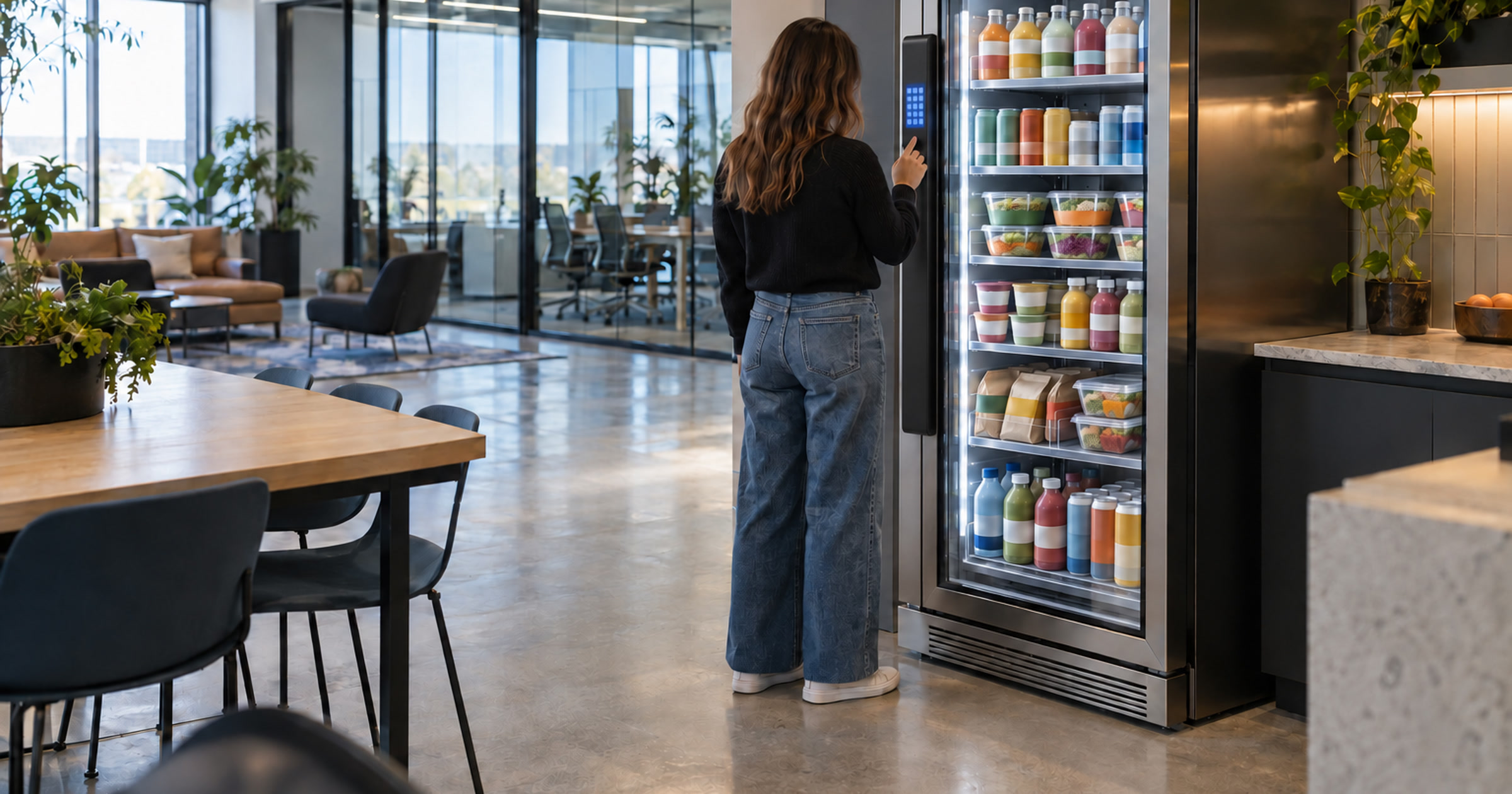
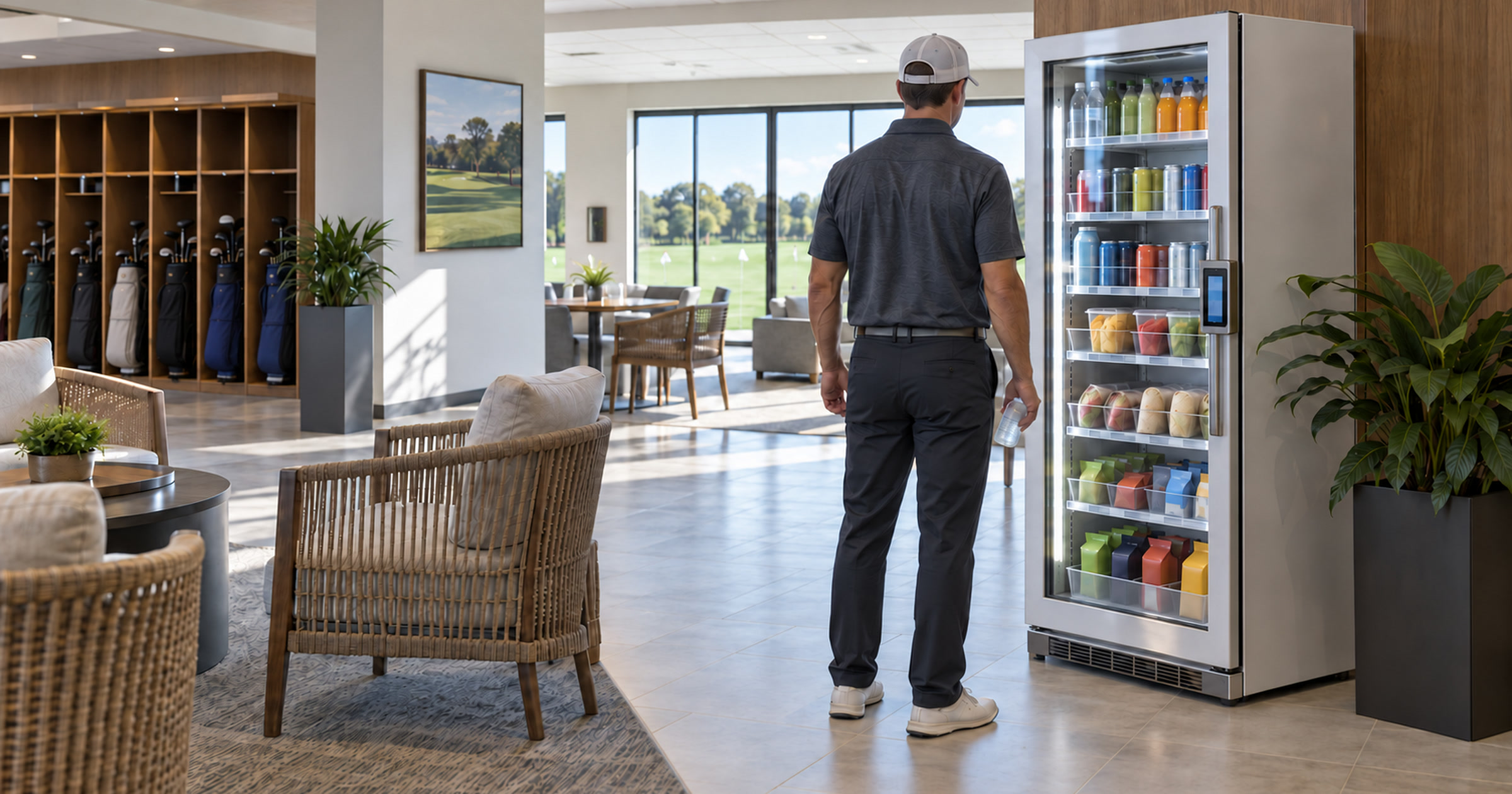
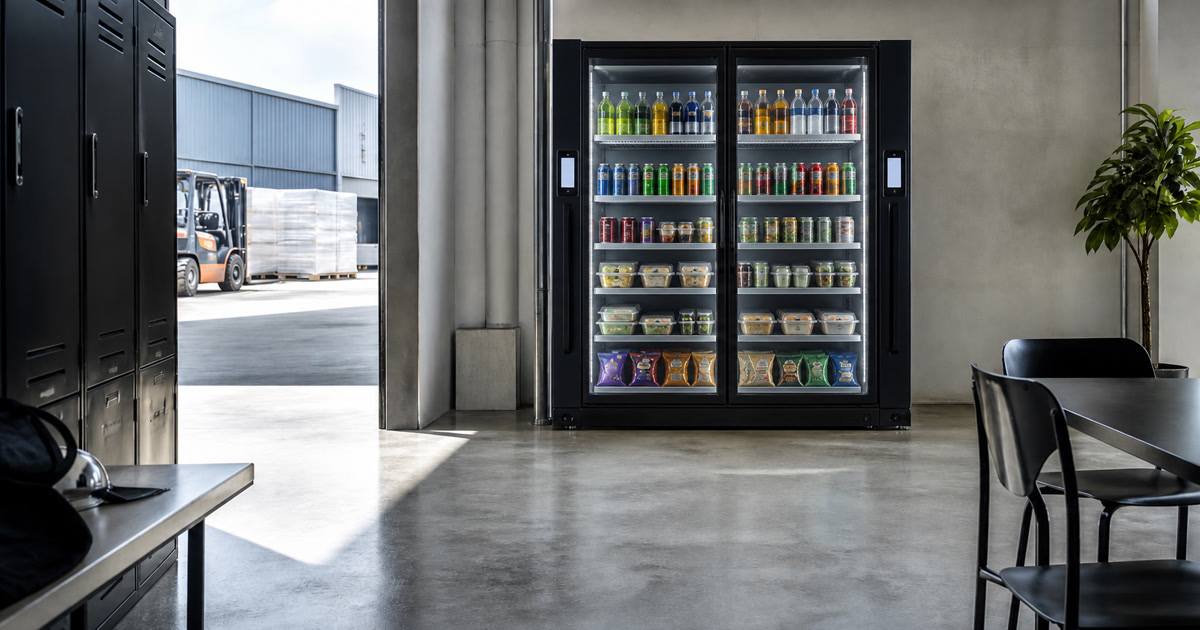
In a warehouse, the best spot might be near a shift entrance or staff break area. In a gym, it might be the corner people pass after a workout. In a hotel, it might be a clean grab-and-go path near guest movement or back-of-house staff access. The room matters because behavior beats wishful thinking.
If the machine sits where nobody naturally stops, summer will not save it. The location still has to earn the visit.
Product mix needs a summer version
The first product mix should not be treated like a shrine.
Summer usually changes what people reach for. Cold drinks may move faster. Lighter grab-and-go items may matter more. Shelf-stable snacks still have a role, but a summer setup that ignores chilled options can feel underbuilt before the first restock.
Keep the planning grounded. Do not promise that the perfect product lineup will make people healthier, happier, or more productive. That is marketing sludge with legal problems stapled to it.
Ask cleaner questions instead.
What should be chilled? What needs to be easy to carry? What should work for a short break? What should not sit in the machine if nobody is buying it?
Smart vending and smart fridge programs can help because purchase and inventory signals give the operator something to review. The machine does not magically know your building. It reports behavior. A good operator uses that behavior to adjust the assortment over time.
That is the difference between stocking a machine and managing an amenity.
Placement matters more when breaks are short
A summer vending setup should respect how little time people actually have.
If the machine is past a security door or down an awkward hallway, it becomes one more errand. That is especially true in staff areas and service lounges where people are trying to get back to work or a waiting customer.
Start with the pause point. Then check the basics.
Can people see the unit without it blocking the room? Is there enough service space? Does the payment flow make sense? Can someone use the area without crowding the walkway?
The U.S. Access Board guidance on accessible routes is useful background here because it explains why route width and obstruction planning matter in public spaces. This article is not a site-specific accessibility review. It is a reminder that adding a machine changes the room.
Summer only raises the stakes. If people need something cold and quick, the setup should not make them solve a floor-plan puzzle first.
Service ownership is the part people remember
The machine gets the attention. The service model decides whether people keep using it.
If your team has to monitor stock or chase repairs, the amenity is not hands-off. It is another small job wearing a nice glass door.
This is where Revvolto should make the setup feel lighter. We stock the unit. We restock it. We handle service. We support payment technology. We review what is moving and what is not.
That matters in summer because slow service becomes visible fast. Empty cold-drink rows are annoying in January. In August, they tell people the amenity is not being managed.
A good plan also avoids overbuilding. Some locations need a full smart vending machine. Some need a compact cooler in a high-use path. The right answer depends on traffic, space, and whether the location can support the program.
Bigger is not automatically better. Managed is better.
Plan the season, then keep learning
A summer vending plan should be specific enough to launch and flexible enough to improve.
Pick the right format. Put it where people already pause. Choose a product mix that fits the season. Then watch what actually happens.
If cold drinks move quickly, adjust. If a chilled item sits too long, change it. If a corner looks good on paper but feels awkward in real use, be honest about it. The room will tell you things the first plan missed.
That is why we care about service after installation. The first day matters, but the sixth week usually tells the truth.
For qualified locations, Revvolto can help add smart vending or smart coolers without making your team manage the daily work. We handle stocking, payment tech, and service so the amenity feels useful instead of becoming another building chore.
If you are planning summer vending for a busy location, start with the pause point. Then ask who will own the work after the machine arrives.
Tell us about the location at revvolto.com/contact-us.