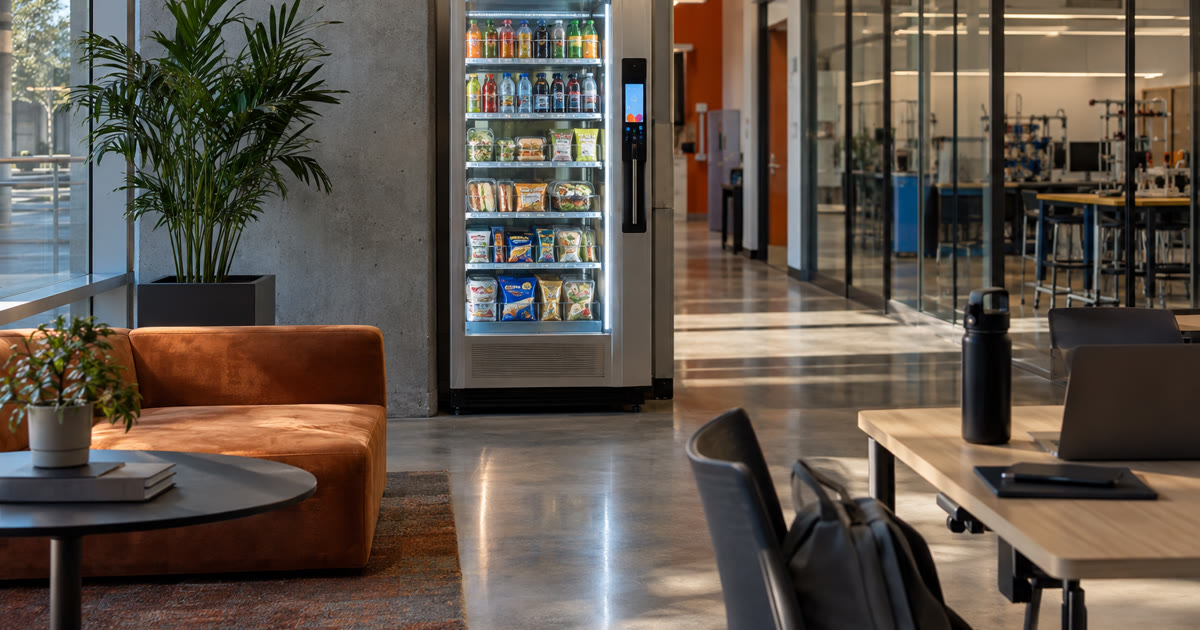
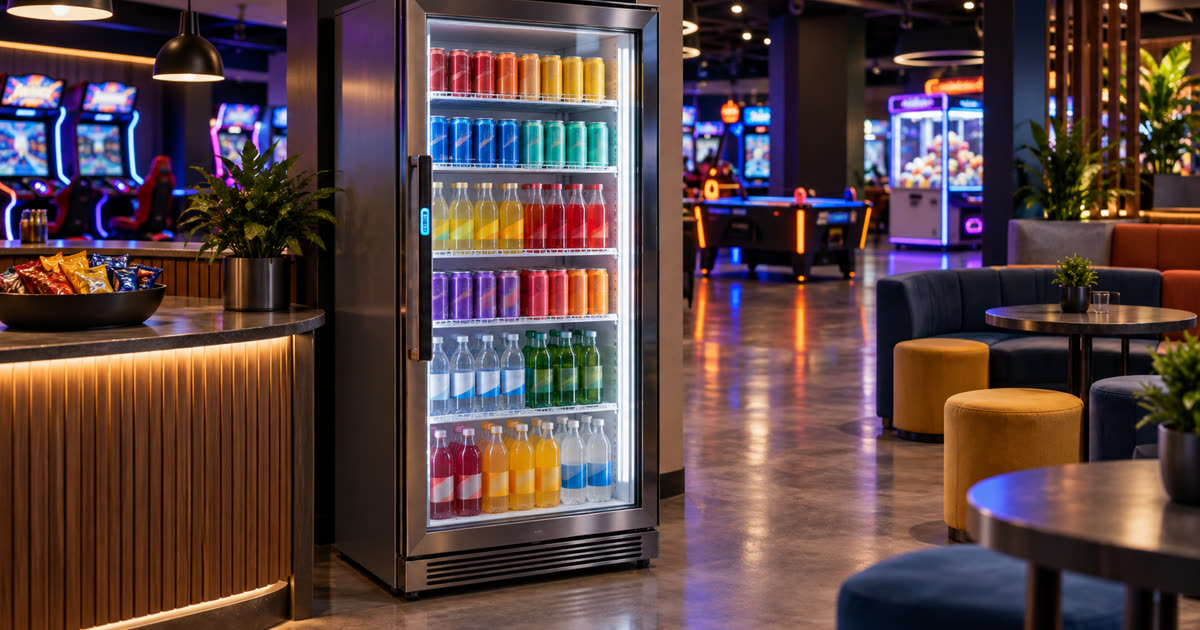
A vending machine can be stocked beautifully and still be annoying if it lands in the wrong spot.
Placement is where a good amenity becomes useful. It affects who notices the machine, whether people can reach it comfortably, how restocking works, and whether the host team gets dragged into avoidable complaints.
These vending machine placement guidelines are not a legal certification checklist. Site-specific access, building code, lease, payment, fire, and facility rules still belong with the host, property team, and qualified professionals. But before a business adds smart vending or a smart fridge, it should ask a few plain questions.
Start with access, not aesthetics
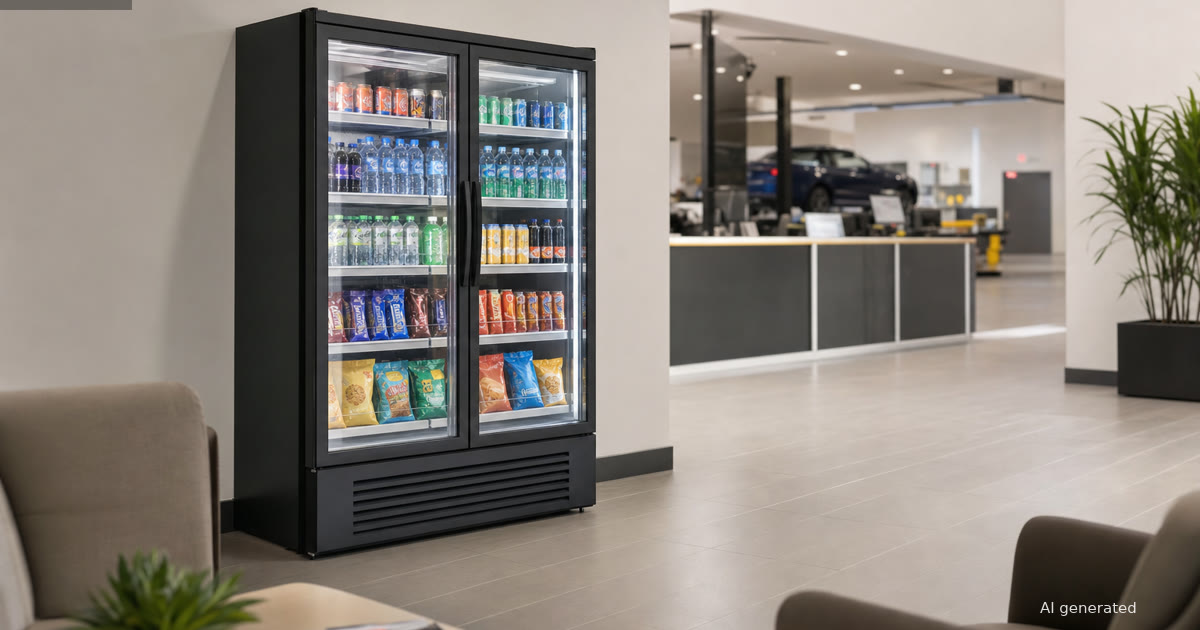
The prettiest corner is not always the best corner. A vending machine needs to sit where people can use it without squeezing past furniture, blocking a hallway, or turning the area into a tiny obstacle course.
For U.S. facilities, the ADA’s 2010 Standards for Accessible Design are the right official starting point for understanding accessibility requirements in public accommodations and commercial facilities. They set minimum scoping and technical requirements for newly built or altered covered facilities, but they do not magically approve a specific vending location by vibes alone.
That distinction matters. A host should not market a placement as “ADA compliant” because a machine looks reachable in a photo. Better question: has the placement been reviewed against the actual space, route, turning area, reach range, door swing, and surrounding furniture?
For everyday planning, this means avoiding corners that look convenient only because nobody has walked the route with a cart, mobility device, or full lunch rush in mind. A vending area should feel easy to approach, easy to stand near, and easy to leave without blocking the next person. For tighter rooms, Revvolto’s guide to small-space vending solutions covers the same trade-off from a compact-footprint angle.
Good placement starts with boring questions. Can someone find it? Can they get to it? Can they use it without asking the front desk to move a chair?
Give service teams room to do the work
A full-service vending setup is supposed to keep the host’s job small. That gets harder when the machine is wedged into a spot where restocking, cleaning, and maintenance require gymnastics.
Service access needs to be part of the placement conversation before the machine arrives. Operators need room to open doors, move product, check payment hardware, clean around the unit, and handle small issues without disrupting the whole lobby or breakroom. The same logic applies after launch: a useful vending service update should tell the host what changed and what the operator is handling next.
This is especially important in hotels, clinics, apartment common areas, warehouses, and auto dealership service lounges. Those spaces already have competing traffic: guests, staff, residents, delivery carts, service customers, shift workers, and cleaning teams. A vending machine should serve that traffic, not fight it.
The host should also think about what happens during a busy moment. If the machine is near a doorway, will a line block entry? If it sits beside package lockers, will residents crowd the same path? If it is in a warehouse breakroom, can the service team reach it without crossing active work zones or sensitive areas?
None of this is glamorous. It is also the difference between “nice amenity” and “why is this thing in everyone’s way?”
Keep payments and support clear
Modern vending usually means cashless payment, smart reporting, or both. That is useful, but payment tech adds one more reason placement and support expectations should be clear before launch.
The PCI Security Standards Council explains that PCI standards are meant to protect payment data across the payment lifecycle, with PCI DSS applying to environments where payment account data is stored, processed, or transmitted. That does not mean a blog post can certify a vending setup, and it does not mean the host should be expected to solve payment questions at the reception desk.
The practical placement question is simpler: if a customer has a failed vend, pending charge, or reader issue, where do they get help?
A good setup gives users a clear support path without turning the nearest employee into the payment department. That might involve on-machine support instructions, operator contact details, or a documented escalation path for the host team. Rob should confirm the exact live Revvolto support language before publication, but the buyer principle is safe: payment support should have an owner.
Placement can help here too. Machines should not sit in areas where support instructions are hidden, lighting is poor, or users feel rushed while trying to complete a payment. Smart vending should reduce friction, not create a tiny customer-service trap in the hallway.
Match the machine to the site’s real traffic
The right placement depends on how the site actually works.
An apartment building might need a compact cooler near a mailroom or package path, but not in a way that jams up residents during delivery hours. A dealership service lounge might need easy guest visibility without putting snacks directly in the service counter’s workflow. A warehouse breakroom might need a durable, obvious location that works across shifts and gives the operator room to restock.
The best placement usually sits at the overlap of visibility, access, serviceability, and audience fit. If one of those is missing, the machine may still work, but someone will pay for the compromise in complaints, restocking friction, or weak usage.
Product mix matters too. A smart fridge with cold meals and drinks may need a different location than a snack-forward vending unit. Around-the-clock access may matter more in a shift-work facility than in a lobby that closes at 6 p.m. Purchase and inventory reporting can help refine the assortment over time, but the first decision is still physical: put the right format where the right people can actually use it.
Revvolto’s role is to help qualified sites think through the amenity as an operating setup, not just a machine delivery. Stocking, restocking, payment tech, and service matter. Placement is what lets those pieces work without making the host babysit the machine.
If you are considering vending machines, smart vending, or smart fridges for a business location, start with the site fit. Revvolto can help review the use case, placement needs, and service model before a unit shows up. Start here: https://revvolto.com/contact-us