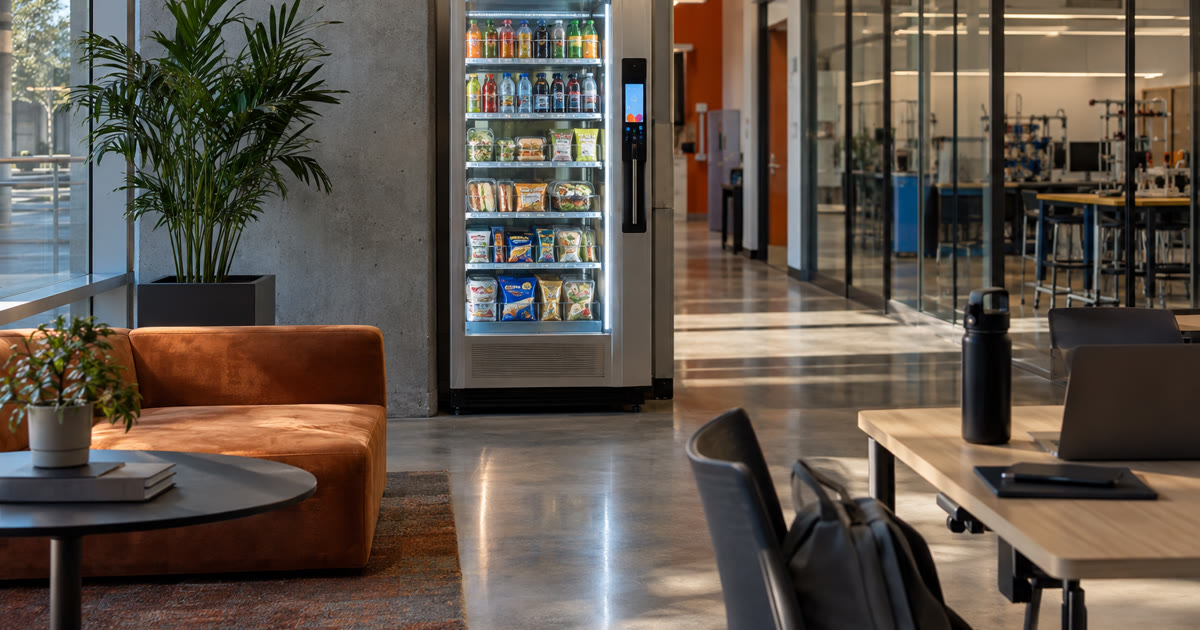
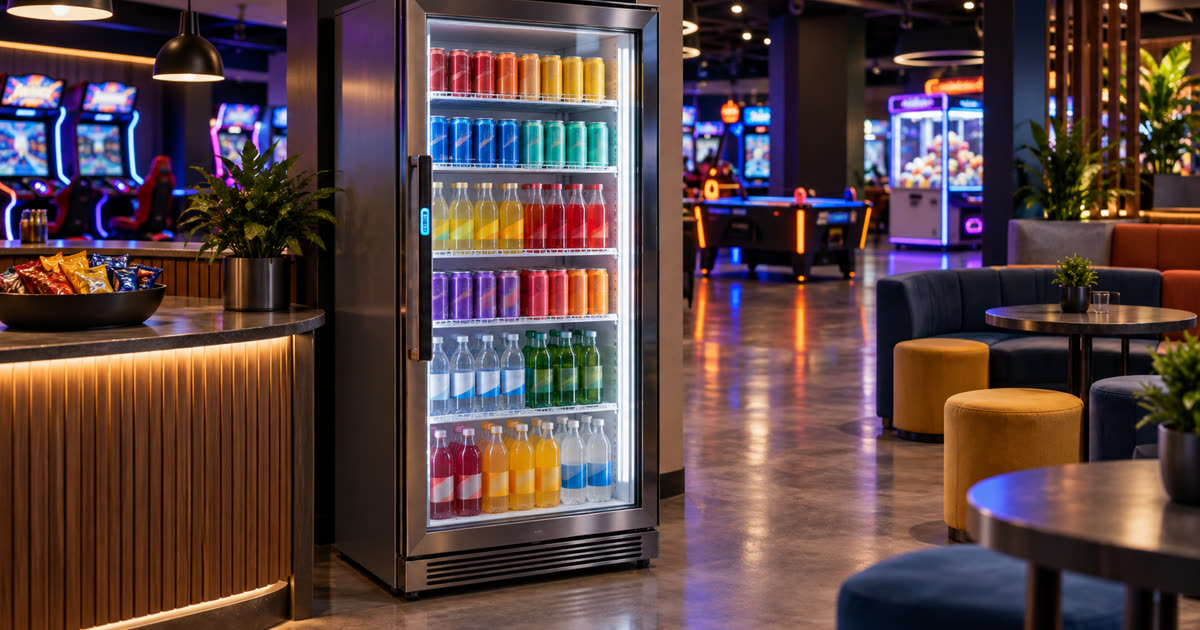
Vending machine service is where a good amenity either holds up or becomes one more thing your team has to babysit.
The machine matters, sure. A clean smart vending machine, smart fridge, or compact grab-and-go setup should look good in the space. But buyers should pay just as much attention to what happens after installation: stocking, payment support, cleaning, maintenance, user questions, and the little operational details that decide whether the host team stays out of the vending business.
A weak provider sells the box. A strong operator owns the boring parts. That is the part buyers should inspect before they say yes.
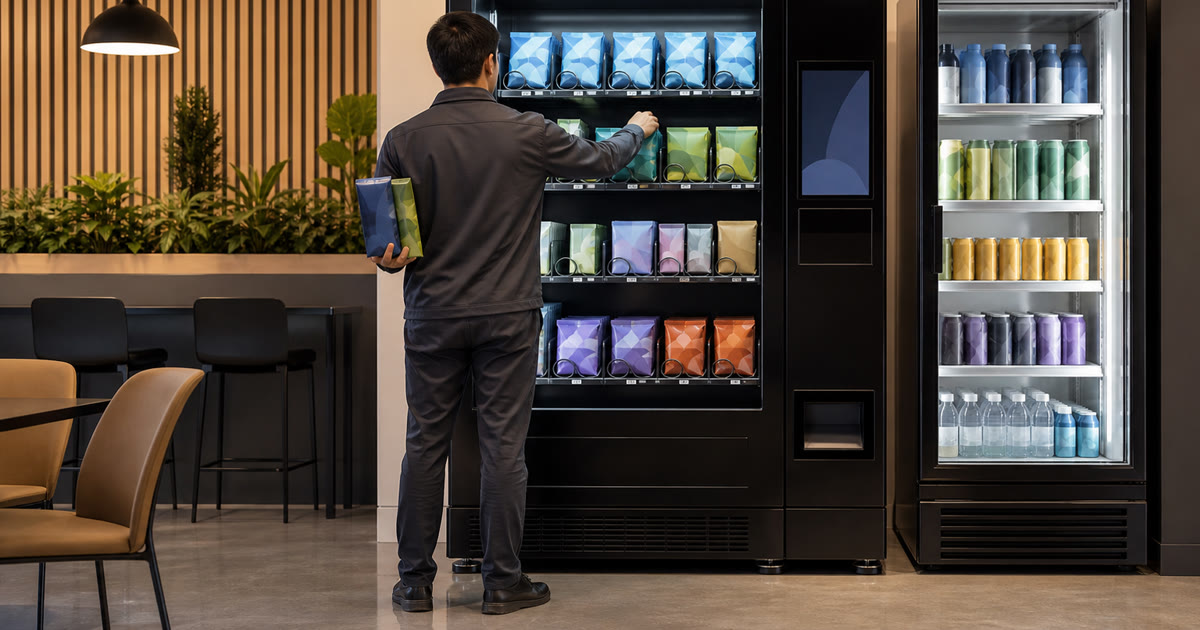
Vending machine service starts before the machine arrives
Good service does not begin on restocking day. It starts with the site conversation.
Before a provider installs a vending machine, the operator should understand where the unit will live, who uses the space, when traffic happens, what products fit the audience, how people pay, and who should be contacted if something goes wrong. That is not paperwork theater. It is how the provider avoids creating friction for the host later.
A workplace lobby, gym, apartment common area, warehouse breakroom, hotel corridor, and campus commons do not behave the same way. A location with short lunch bursts needs a different plan than a 24/7 site with overnight traffic. A smart fridge with refrigerated items may ask more from the site than a shelf-stable snack machine. A cashless vending setup needs a clear payment-support path.
That is why the best early question is not “what machine can we fit here?” It is “what service model keeps this useful after week three?”
For qualified placements, Revvolto’s model is built around that operator role. The host gets a modern food-and-drink amenity, while Revvolto handles stocking, restocking, payment technology, and maintenance through the site plan. Site fit still matters. No honest operator should pretend otherwise.
Stocking cadence should match real use, not a guess
Restocking is the part most people notice first when service slips.
If a vending machine is half-empty too often, people stop trusting it. If the product mix never changes, the machine starts to feel abandoned even when it technically works. If slow-moving items sit too long, the setup looks tired. None of that requires a dramatic failure. It just takes a service cadence that does not match the location.
A good operator watches what moves, what sits, and what needs a different slot. In a smart vending or smart fridge environment, purchase and inventory data can support those decisions. The data does not magically know what people want. It gives the operator better signals so the assortment can be adjusted over time.
This is where hosts should ask practical questions:
- How often will the unit be checked or restocked?
- What happens if demand is higher than expected?
- How are slow-moving products replaced?
- Who decides whether a product belongs in this location?
- How are refrigerated items handled if the setup includes them?
The FDA Food Code is not a marketing badge and should not be used that way. It is a useful reminder that food handling has rules and definitions, especially around time and temperature control. If a provider offers refrigerated or fresh grab-and-go items, the host should expect the operator to understand the product category, storage needs, rotation expectations, and local responsibility boundaries before anything goes public.
Payment and refund questions need an owner
Cashless payment makes vending easier for the user. It can also create a new support problem if nobody knows who owns payment questions.
A modern vending machine may support cards, tap-to-pay, mobile wallets, app checkout, or account-based payment depending on the format. That does not mean the office manager, front desk, leasing team, or night supervisor should become the help desk for failed vends and refund requests.
The payment path should be clear before installation. If someone is charged but does not receive a product, what do they do? If a reader fails, who gets the alert? If a refund is needed, who handles it? If the host gets a question, where should they send it?
The PCI Security Standards Council describes PCI DSS as a baseline of technical and operational requirements designed to protect payment account data. That source does not prove any vending machine, payment processor, checkout app, or provider is PCI compliant. The useful buyer takeaway is narrower: payment roles and support responsibilities should be clear, documented, and owned by the provider ecosystem, not improvised by the host.
Good vending machine service makes payment feel boring. Boring is the compliment here.
Maintenance is more than fixing a broken screen
Maintenance is not just emergency repair. It is the everyday discipline that keeps the amenity from looking neglected.
That includes cleaning the machine, checking shelves and coils, confirming doors close properly, watching refrigeration behavior when applicable, reviewing payment-device issues, replacing worn labels or parts, and making sure the machine still fits the site after people start using it. Sometimes the best maintenance call is not a repair at all. It is moving a trash bin, changing a product row, or adjusting the service rhythm because the first plan was close but not quite right.
Hosts should also ask how issues are reported. A vague “call us if anything happens” is weaker than a clear support path. The provider should explain what counts as urgent, what can wait for the next service visit, and how the host will know the issue was handled.
This matters more in locations where the amenity sits in front of guests, residents, members, employees, or visitors. A machine does not need to be perfect every second. It does need to look cared for. People can tell the difference.
The host should not become the vending department
The whole point of a serviced vending amenity is to remove work from the host, not quietly hand them a new side job.
A good setup makes the host’s role simple. Provide an appropriate location. Keep basic site access clear. Point user questions to the right support channel. Share feedback when something is not working. That should be about it.
The operator should own the rest: stocking, restocking, product rotation, maintenance, payment-support routing, service records, and practical recommendations when the setup needs adjustment. If the host has to track inventory, chase repairs, answer refund questions, or apologize for an empty machine every week, the service model is doing something wrong.
This is also why full-service placement often makes more sense than buying or leasing equipment for many businesses. Ownership can sound attractive until someone has to manage product purchasing, service calls, payment issues, cleaning, insurance questions, and the slow grind of keeping the amenity useful. We covered that decision in more detail in Vending Machine Lease vs Full-Service Placement, but the short version is simple: the service model matters as much as the equipment.
If you are evaluating vending machine service for a workplace, property, gym, hotel, clinic, warehouse, campus, or dealership, do not stop at the machine photo. Ask who handles the boring parts after launch.
Revvolto helps qualified locations add modern vending machines, smart vending, and smart fridge options with stocking, payment tech, and maintenance handled through the operating plan. If you want to see whether your site is a fit, contact Revvolto.