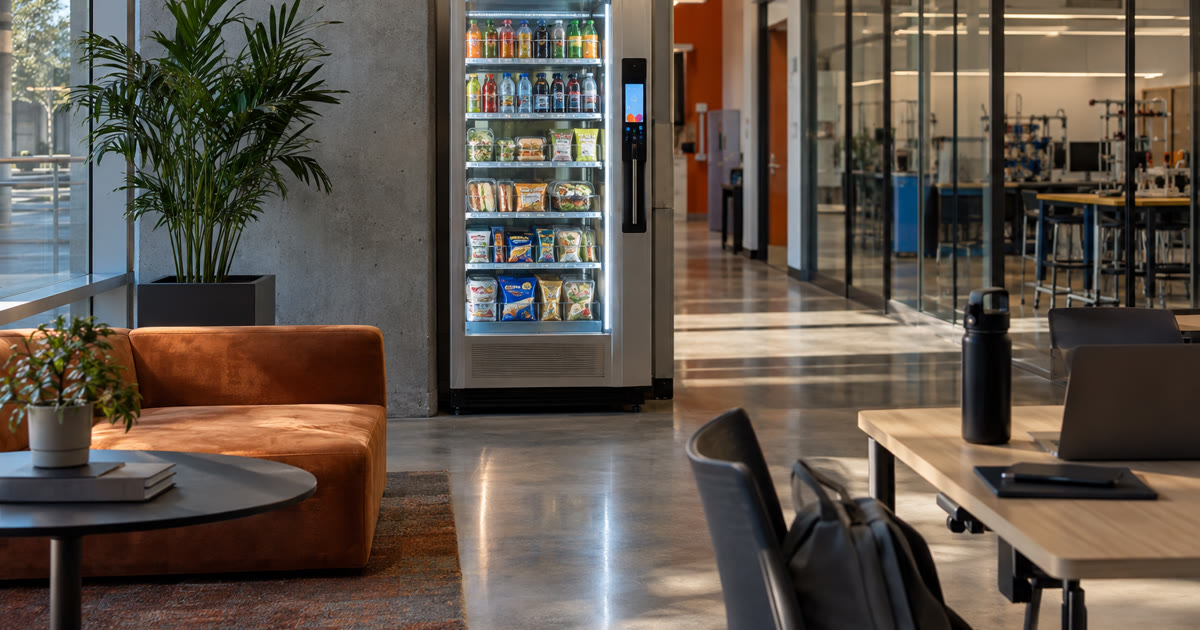
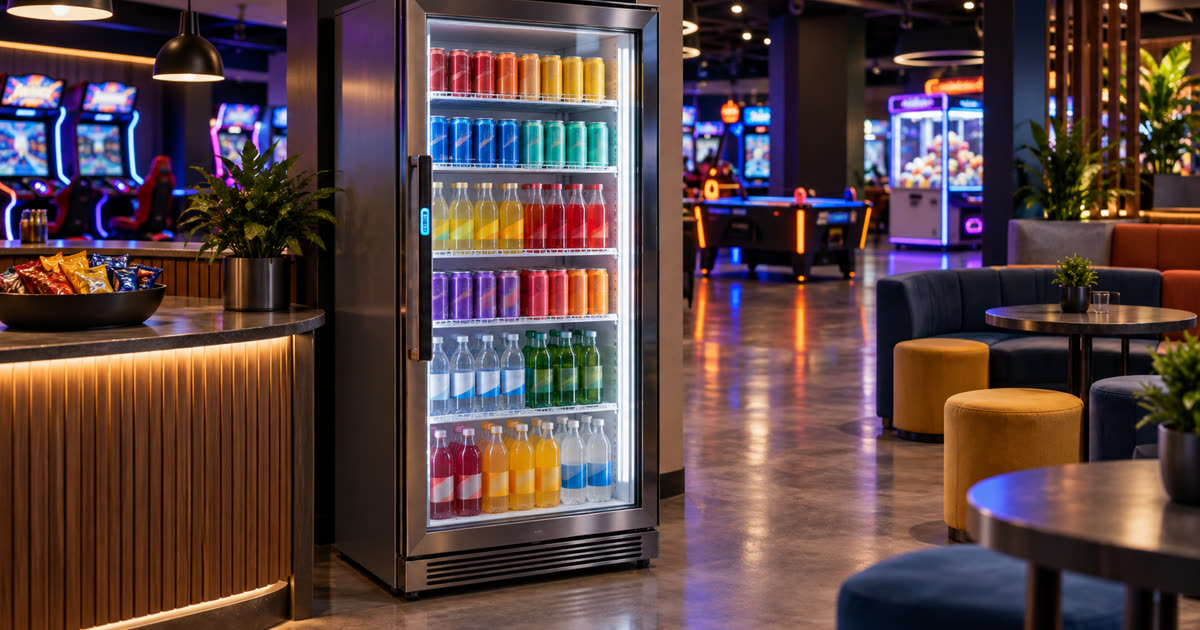
A vending machine lease sounds straightforward until someone asks who stocks it, who fixes it, who answers refund complaints, and who gets blamed when the card reader has a bad Tuesday.
That is the part buyers should slow down for.
Most businesses do not wake up wanting a vending contract. They want convenient food and drink access without turning the office manager, property team, service desk, or facilities lead into the snack department. A vending machine lease may work for some hosts. Full-service vending placement may work better for others. The right answer depends less on the machine and more on ownership.
Before comparing options, separate the two decisions hiding inside one conversation: how the equipment is provided, and who carries the work after launch.
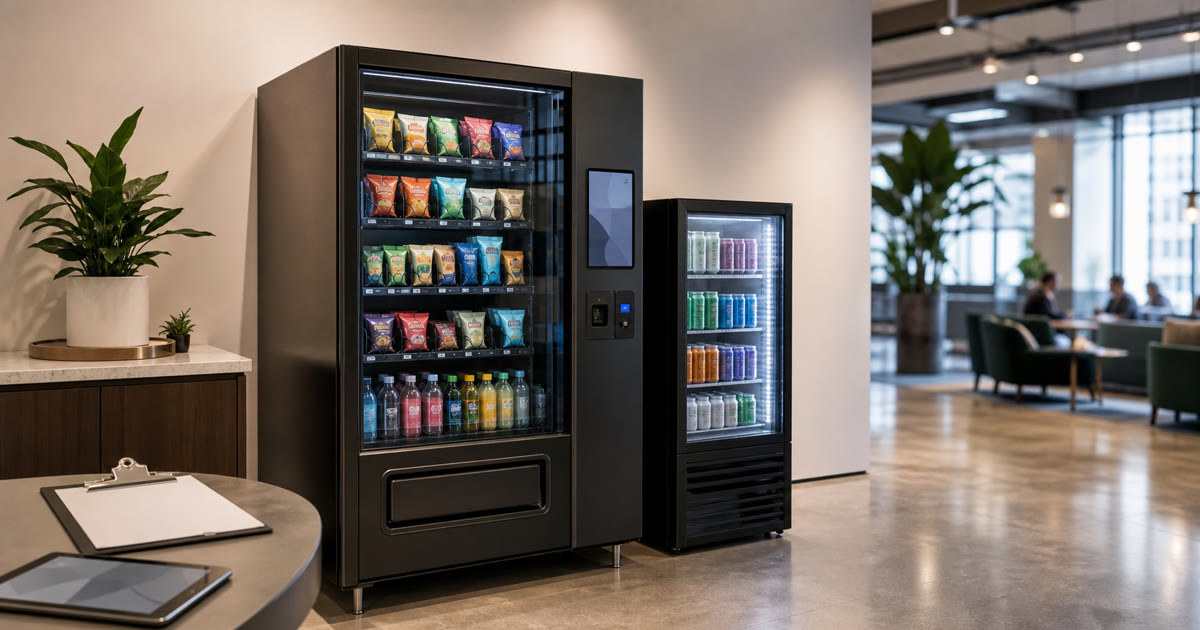
A lease usually puts more ownership on the host
A vending machine lease can make sense when a host wants more control over the equipment, product strategy, or vendor relationship. It may also appeal to organizations that already manage other facility assets and do not mind adding another operating line to the list.
But leasing is not just “get a machine and go.” The host still needs clear answers on stocking, restocking cadence, repairs, payment support, refunds, product sourcing, spoilage risk for refrigerated items, and what happens when demand is lower than expected.
The least helpful lease conversation starts with monthly cost and ends there. That is how a simple amenity becomes a quiet pile of chores wearing a touchscreen.
Hosts should ask:
- Who owns the product inventory?
- Who chooses the assortment?
- Who restocks the machine, and how often?
- Who handles failed payments, refunds, and support tickets?
- Who maintains the machine if a part breaks?
- Who removes or replaces the unit if the site is a bad fit?
None of those questions are glamorous. Good. Glamour is how people buy lobby furniture that nobody sits in. Vending works when the boring parts are owned by someone before the first snack gets stuck behind the glass.
Full-service placement shifts the operating burden
Full-service placement is usually the cleaner fit for hosts that want the amenity without managing the vending operation. In that model, the provider typically supplies the machine, stocks it, services it, monitors product movement, and handles the routine operational work.
For qualified locations, this can often happen at no cost to the host. That phrase matters. “No cost” should never be treated as a magic spell. Site fit still matters: traffic, access, location type, stocking logistics, power, space, and user demand all affect whether a placement makes sense.
The best full-service conversations are practical. A provider should want to understand the site before promising the moon with a snack coil attached. Who uses the building? When do they need food or drinks? Where do they naturally pause? Is the machine for employees, tenants, guests, students, patients’ families, service customers, or a mixed audience?
Full-service does not mean the host has no role. The host still needs to help with placement access, clear communication, basic site expectations, and escalation paths. But the day-to-day vending work should not land on someone who already has a real job.
That is the main difference: a lease can make the machine your asset. Full-service placement is supposed to make the amenity someone else’s operating responsibility.
Compare service, not just equipment
A vending machine with a modern screen can still be a bad experience if support is sloppy.
Buyers should compare the service model before they compare the shine on the cabinet. A useful provider should be able to explain restocking, maintenance, payment support, refund handling, product adjustments, and how the assortment changes when real purchase behavior shows what people actually use.
Payment is one area where vague answers get expensive fast. The PCI Security Standards Council publishes PCI DSS as a payment account data security standard. That does not prove any specific machine, payment terminal, provider, processor, lease, placement, or Revvolto setup is PCI compliant. It supports a narrower point: payment responsibilities deserve plain answers before a host puts a card-accepting machine in front of employees, residents, guests, or visitors.
Ask who owns payment support. Ask how refunds are handled. Ask what happens when a charge succeeds but the product does not drop. Ask whether the host will be asked to troubleshoot customer issues, because “just call the office manager” is not a payment-support strategy. It is a tiny trap with a receipt printer.
The same goes for maintenance. If the unit loses refrigeration, jams, goes offline, or needs a part, who responds? What is the expected communication path? How does the host report problems? Who decides when a machine needs to be moved, resized, replaced, or removed?
A vending decision should make life easier after launch. If the support model is unclear, the machine is already asking for trouble before it gets plugged in.
Placement still decides whether either model works
Lease or full-service, the machine has to be in the right place.
A quiet back hallway may be easy to access for restocking and useless for actual demand. A crowded lobby may be visible but awkward if people have to browse while blocking traffic. A breakroom may be ideal for employees and irrelevant for guests. A service lounge may need a different product mix than a warehouse break area or student commons.
Access also matters. The U.S. Department of Justice’s ADA Title III primer explains that public accommodations must provide equal opportunity to participate in and benefit from goods and services. That does not certify any specific vending placement, machine, smart fridge, pathway, host site, provider, or Revvolto installation as ADA compliant. It does support the narrower planning point that customer-facing convenience should not be shoved wherever the wall outlet happens to be emotionally available.
Good placement starts with real use:
- Where do people already pause?
- When are nearby food and drink options unavailable or inconvenient?
- Can someone browse without creating a pinch point?
- Can the provider restock without interrupting the site?
- Is power, ventilation, lighting, and floor space actually workable?
The wrong location can make a good lease look bad. It can make a strong full-service provider look invisible. It can turn a smart vending machine into a museum display for pretzels.
The better choice is the one with cleaner ownership
A lease is not automatically wrong. Full-service placement is not automatically right. The lazy answer is pretending one format wins everywhere.
For most hosts that want convenience without managing inventory, payment issues, maintenance, and restocking, full-service placement is usually the cleaner starting point. It keeps the conversation focused on site fit and service quality instead of making the host learn vending operations by surprise.
A lease may be worth considering when the host wants more control, has internal capacity to manage the details, or has a specific operating reason to treat vending equipment like a managed asset. Even then, the host should press for clear service responsibilities in writing before treating the machine like a solved problem.
Revvolto helps qualified businesses add smart vending machines, smart fridges, and compact market-style setups with stocking, restocking, payment tech, and maintenance handled by the operator. The useful first conversation is not “Which machine looks best?” It is “Which model keeps this amenity from becoming someone’s second job?”
Curious whether full-service vending placement or another setup fits your location? Tell us about your site at revvolto.com/contact-us.
No-cost site review. No install pressure. No vending side quest.