A vending service update should not read like a receipt with better manners.
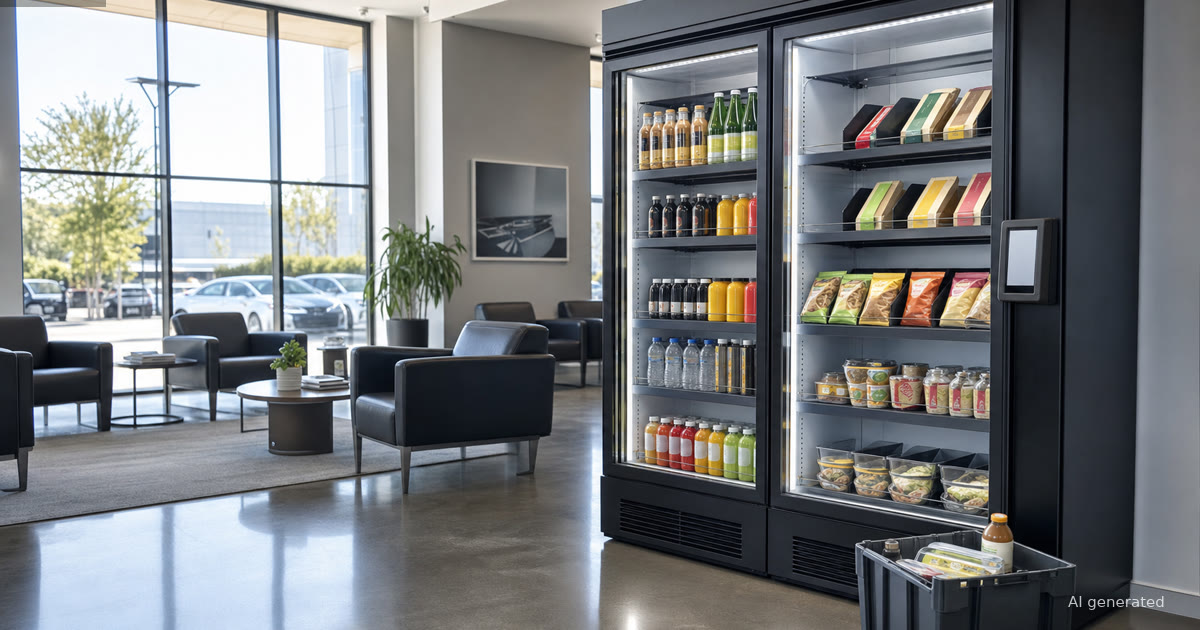
If a business hosts a vending machine, smart vending setup, or smart fridge, the most useful update is simple: what changed, what needs attention, and what the operator is handling next. That is the difference between an amenity that quietly gets operated and a machine the host has to babysit.
This matters after launch, after the first restock, and any time usage starts to shift. The host does not need a novel. They need the signal.
Start with what changed
A good update should tell the host what the operator noticed since the last visit or review.
That might include a product that moved faster than expected, a section that stayed too full, a service note from the machine, or a small placement issue that made restocking harder than it needed to be. The point is not to drown the host in item-level detail. The point is to show that someone is paying attention.
This is where remote monitoring for vending machines can help, but only if the operator turns the signals into action. Data is useful when it changes the service plan. Otherwise it is just another dashboard nobody asked for.
Say what the operator is doing next
The best updates do not stop at “we noticed this.” They explain the next move.
Maybe the operator is giving one drink more shelf space. Maybe a slow item is being removed. Maybe the next restock cadence needs to tighten for a busy shift-change window. Maybe the machine is working fine and the only adjustment is product mix.
That is the service part buyers should look for. A first vending restock review should not just refill empty rows. It should create a smarter second visit.
A useful update might be as short as: “Cold drinks moved faster this week, so we are increasing those facings on the next service visit. Two snack items were slow, so we are testing replacements. No host action needed.”
Beautiful. Boring. Exactly what you want.
Keep the host’s job small
A full-service vending relationship should not quietly hand the host a second job.
The host may need to provide access, share obvious site feedback, or flag something urgent. But they should not be counting inventory, guessing what to reorder, managing payment questions, or chasing routine restocks.
That is why service updates should use plain language. What happened? What changes? Does the host need to do anything?
Most of the time, the best answer to that last question is “no.” The operator handles it.
If your business is looking at vending machines, smart vending, or smart fridges and wants the service to stay simple after installation, talk with Revvolto. We can review the site, traffic pattern, product fit, and service access before recommending a setup.