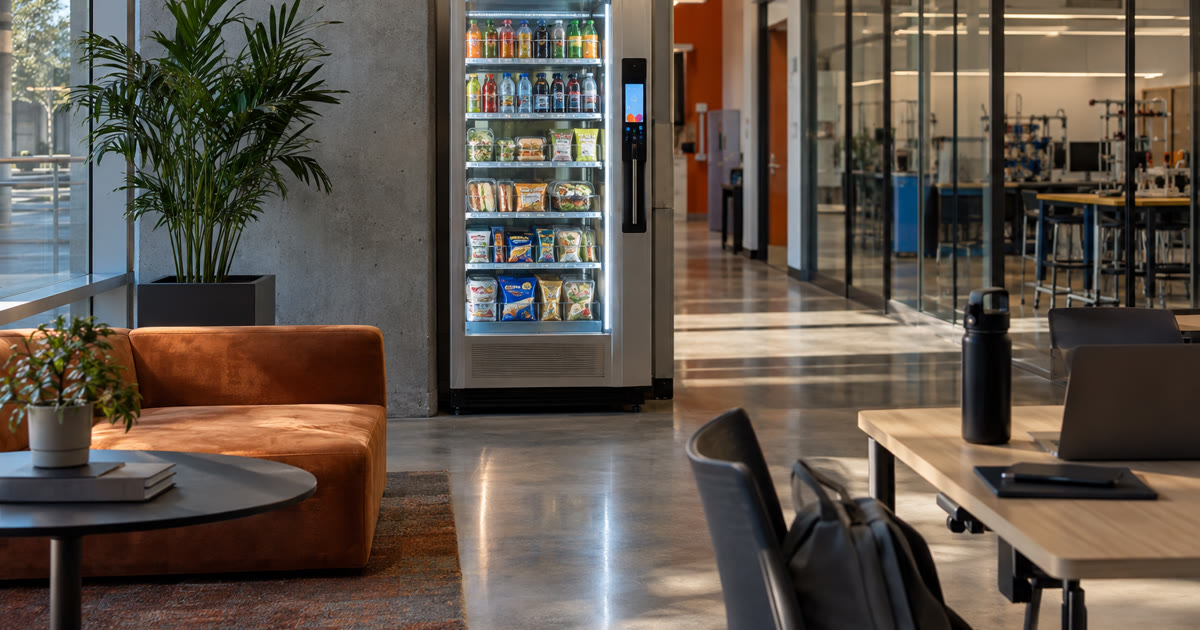
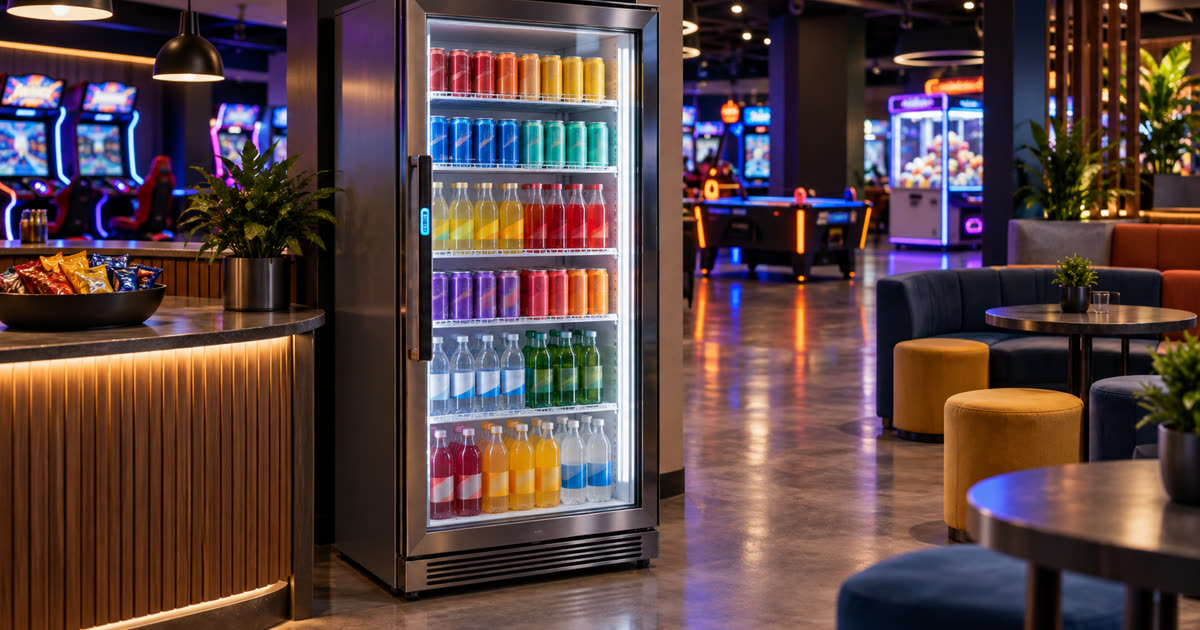
The first restock tells you more than the first install.
A vending machine, smart vending machine, or smart fridge can look great on day one. The shelves are full. The placement is clean. Everyone notices the new amenity because it is new.
The useful question comes after people have actually used it: what moved, what sat, what caused friction, and what should change before the setup becomes part of the background?
That is why the first vending restock should be treated like a review, not just a refill.
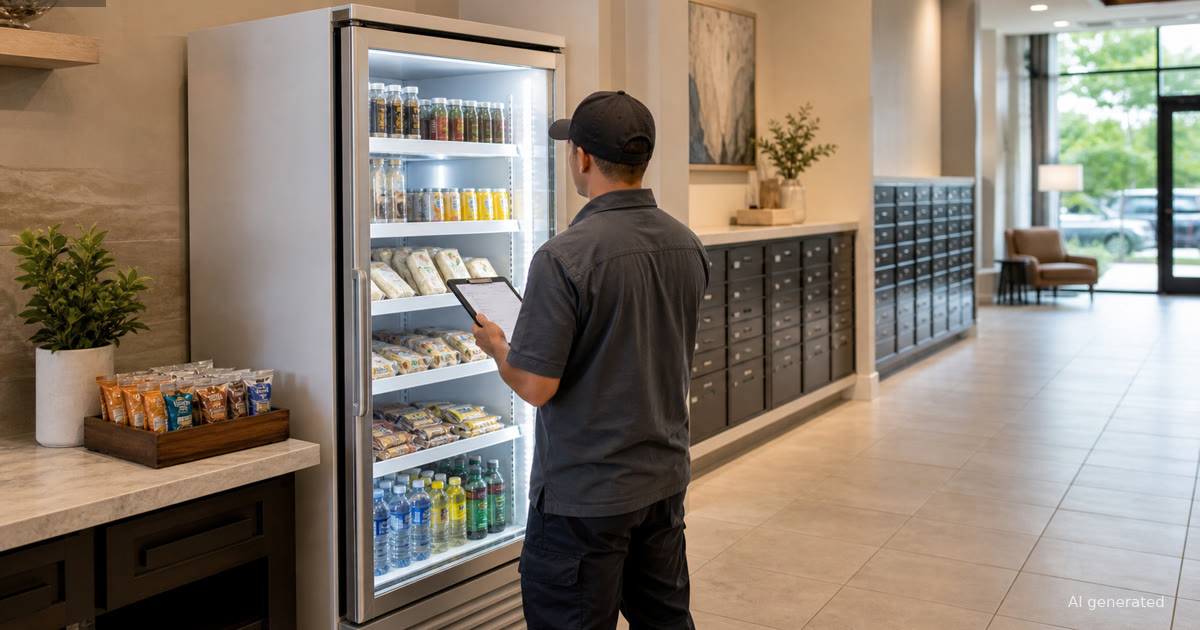
Start with what people actually bought
The first product mix is an educated starting point. It should not be treated like sacred architecture.
A good operator looks at what sold quickly, what barely moved, and whether the mix matched the site’s real use moment. A hotel guest area may lean toward bottled drinks and quick travel snacks. A warehouse breakroom may need fast grab-and-go choices for short breaks. A gym may show a different pattern entirely.
Revvolto covered the broader product-mix question in this guide to matching vending products to the site. The lightweight version is simple: the first restock is where guessing should start giving way to actual use.
Watch for service friction, not just empty shelves
Empty rows are not the only signal.
The operator should also notice whether the machine is easy to access, whether the payment area stays clear, whether the door or cooler has enough space, and whether the unit sits where people naturally pass by.
If the machine is tucked away, blocked by furniture, or hard to service, product changes can only do so much. Placement and access still matter after installation. That is why a vending setup should be reviewed against traffic flow, visibility, power, service access, and the host’s day-to-day operations. Revvolto’s placement guide goes deeper on that part.
Ask who owns the adjustments
The host should not have to become the person running a snack spreadsheet.
Before the first restock, ask who reviews slow-moving products, who handles requests, who decides when to swap items, and how payment or service issues get routed. If every small problem lands on the host’s desk, the setup is not as hands-off as it sounded.
A cleaner service model keeps the work with the operator. The host gives access, flags obvious issues, and shares useful feedback. The operator handles stocking, restocking, product rotation, payment support, and maintenance. That ownership split is the difference between a modern amenity and another chore wearing a glass door.
The best first restock improves the second month
A first restock is not glamorous. Good. Glamour is overrated here.
The job is to make the machine more useful in month two than it was on day one. That means reviewing what people bought, what got ignored, what was hard to service, and what needs to change before small annoyances become permanent.
If you are considering vending, smart vending, or a smart fridge for your location, talk with Revvolto. The useful conversation is not just what goes in the machine. It is who keeps improving it after launch.