Choosing a vending machine provider is not just a search for a machine that fits the wall.
That is where a lot of bad amenity decisions start. The picture looks clean. The unit seems modern. The pitch sounds simple. Then real life shows up. Restocking questions land. Payment issues appear. Someone on your team becomes the unofficial vending help desk.
The better question is not “Who can drop off a machine?” It is “Who will still be useful after the machine is installed?”
That is especially true for workplaces, hotels, and clinics where the amenity has to support people without adding a new chore list. It also matters in apartment buildings and service lounges. A smart vending machine or smart fridge can look premium, but the provider relationship decides whether it stays useful.
If you are comparing vending machine providers, start with local service fit. The machine matters. The support model matters more.
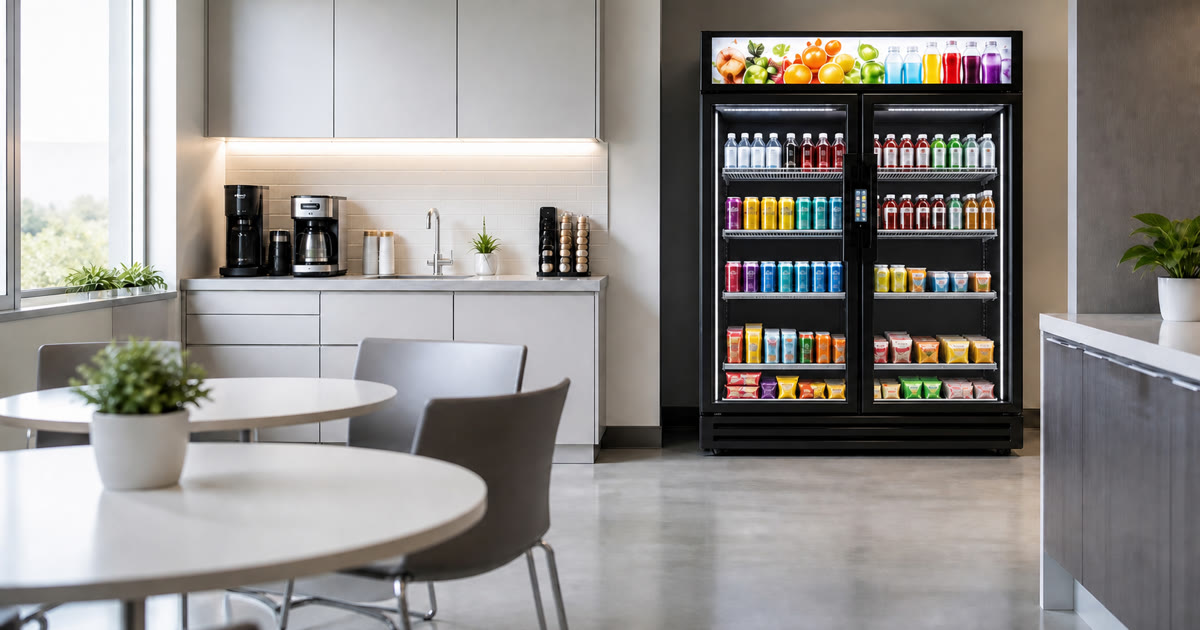
Local service should mean more than nearby
A local provider is not automatically better because the address is close. Nearby is useful only if it turns into faster service, clearer ownership, and a better read on your building.
Ask what happens after install. Who monitors stock? Who handles service calls? Who answers payment questions? Who notices when the product mix stops matching the people using the machine?
Those questions are less glamorous than cooler design, but they are where the daily experience lives.
For example, a hotel pantry nook has a different rhythm than a clinic staff breakroom. An apartment mailroom path has a different use case than a dealership lounge. If a provider treats all three like the same room with different flooring, the setup will probably feel off.
Local service should show up in the details. The provider should understand the traffic path, the audience, and the support burden the amenity is meant to reduce. If the plan creates more questions for your front desk or facilities team, the location did not get a real service plan. It got equipment.
We are blunt about this because vending is easy to oversell. A machine can be modern and still be wrong for the space.
Match the format to the room
The right provider should help you choose the format before anyone talks about product rows.
Some spaces need a full smart vending machine. Some work better with a smart fridge. Some need a compact refrigerated setup that does not overwhelm the room. Bigger is not automatically more useful. Smaller is not automatically cheaper in effort. The format has to match how people move and pause. It also needs to support payment without getting in the way.
A waiting area may need quick drinks and simple snacks. A staff breakroom may need cold items that work during short breaks. A tenant lounge may need something that feels polished instead of bolted into a corner.
That is why placement belongs in the provider conversation. Our vending machine placement guide covers the basic buyer questions, but the short version is simple: put the unit where people already pause, not where nobody had a better idea for the wall.
Clear access matters too. The U.S. Access Board guide to accessible routes is useful background because it explains why route width and obstruction planning matter in public spaces. This is not a substitute for a site-specific accessibility review. It is a reminder that a vending machine changes how a room works.
A good provider will talk about that before installation, not after someone complains.
Payment support cannot be vague
Cashless vending is normal now. Vague payment support should not be.
If someone has a card question or refund issue, your team should not have to become the payment desk. The provider should make the support path obvious. People using the machine need a clear way to get help, and your staff should know where to send questions without owning the problem.
Payment language also needs discipline. PCI Security Standards Council explains payment account data responsibilities for organizations and related parties in payment transactions. That is not a marketing badge for a vending machine. It is a reminder that payment handling has real ownership behind it.
For buyers, the practical question is direct: when payment friction happens, who responds?
If the answer is unclear, keep asking. A cashless machine with weak support is not hands-off. It is a nice-looking appliance waiting to create a ticket.
Product mix should change when the building teaches you something
The first product set is a starting point, not a personality test for your building.
People tell you what they want by what they buy, what they ignore, and what they ask for. A provider should be able to adjust the assortment over time without turning every snack decision into a committee meeting.
This is where smart vending and smart fridge programs can help when they are run responsibly. Purchase and inventory signals can inform restocking decisions. Service visits can reveal whether shelves feel stale, crowded, or underused. The provider still has to interpret the information and make practical changes.
Do not accept magic language here. The machine does not know your people. It reports behavior. The operator decides what to do with it.
That distinction matters because product mix is often where an amenity quietly wins or dies. If people stop finding anything useful, they stop checking. Once that habit breaks, the machine can be full and still irrelevant.
A provider worth choosing should have a process for reviewing fit after launch. Not a promise that every request will be added. Not a giant catalog dumped into a tiny space. Just a sane way to keep the setup useful.
The provider should take work off your team
The best vending provider makes the amenity feel lighter for your building, not heavier.
That means stocking is owned. Service is owned. Payment support is owned. Product-fit review is owned. Your role should be choosing the right location, confirming the use case, and making sure the setup still fits the room as the building changes.
For qualified locations, Revvolto installs and operates modern vending machines and smart fridges. We stock and maintain the setup. We also support payment technology and keep the conversation grounded in site fit because the wrong machine in the wrong place is still the wrong answer.
This is why provider selection should start with service questions. The machine is visible. The operating model is what people feel six weeks later.
If you are comparing vending machine providers, ask what your team will still have to do after launch. Then look for the answer that makes that list shorter.
Tell us about the location at revvolto.com/contact-us.