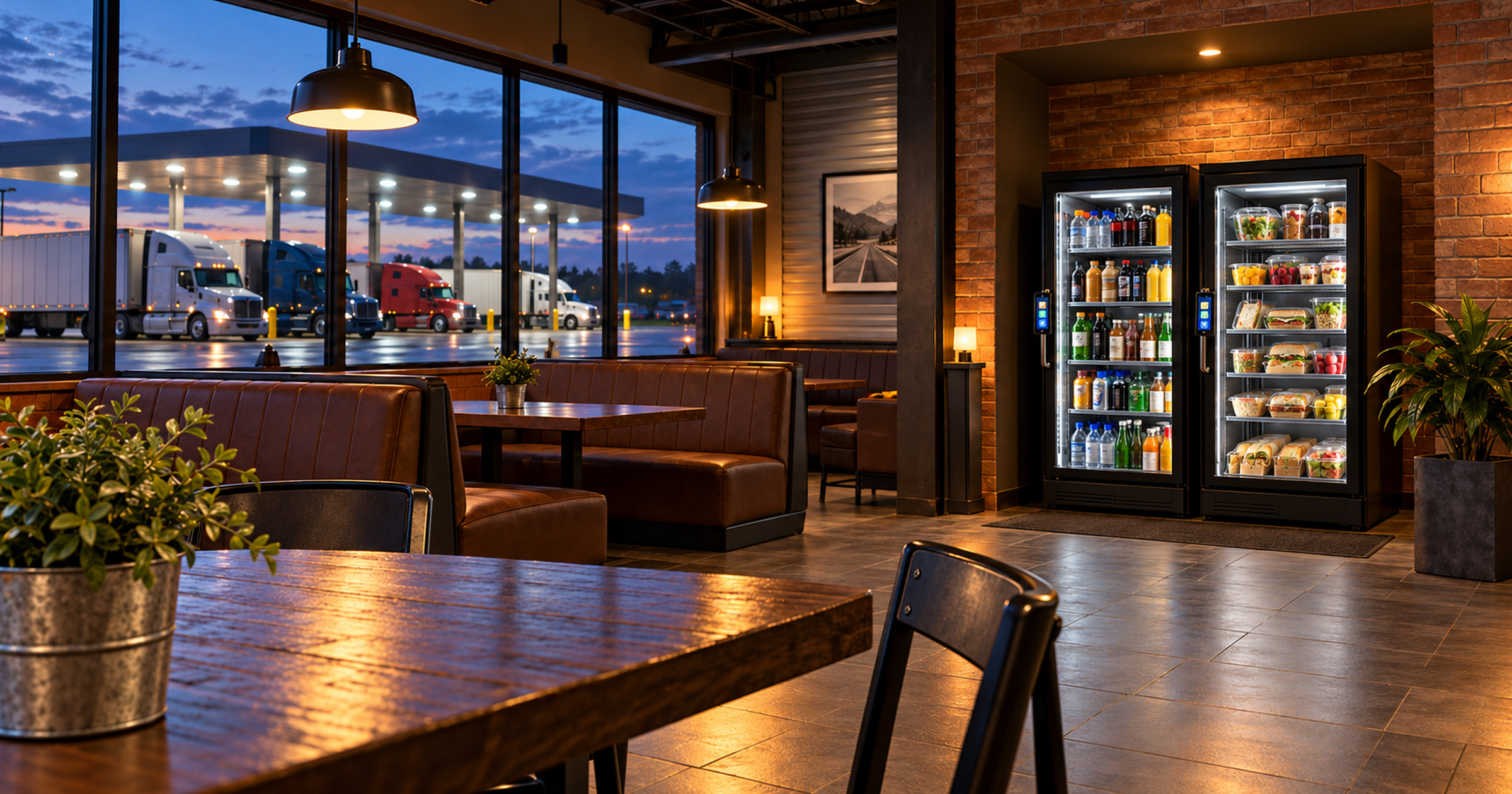
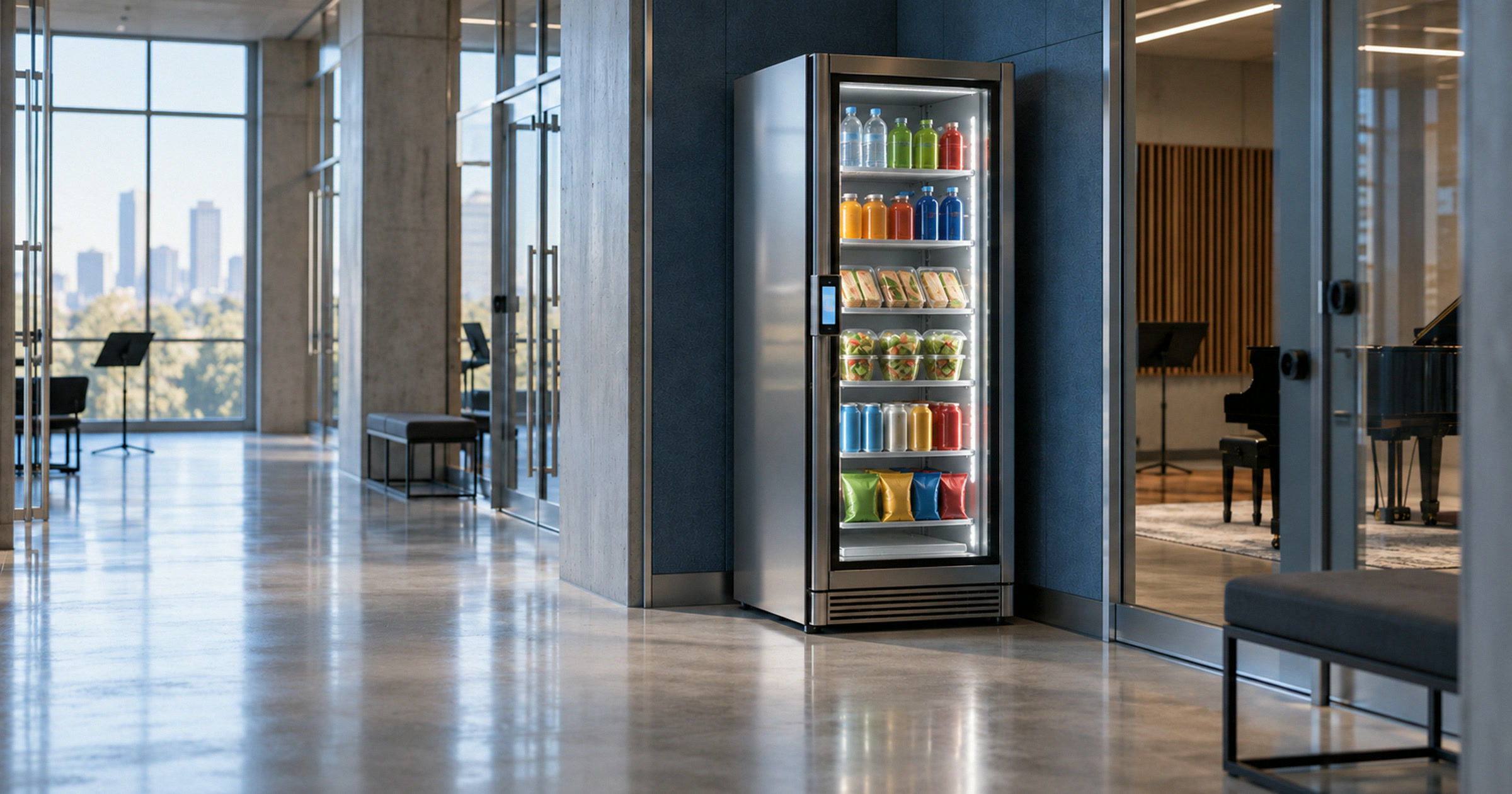
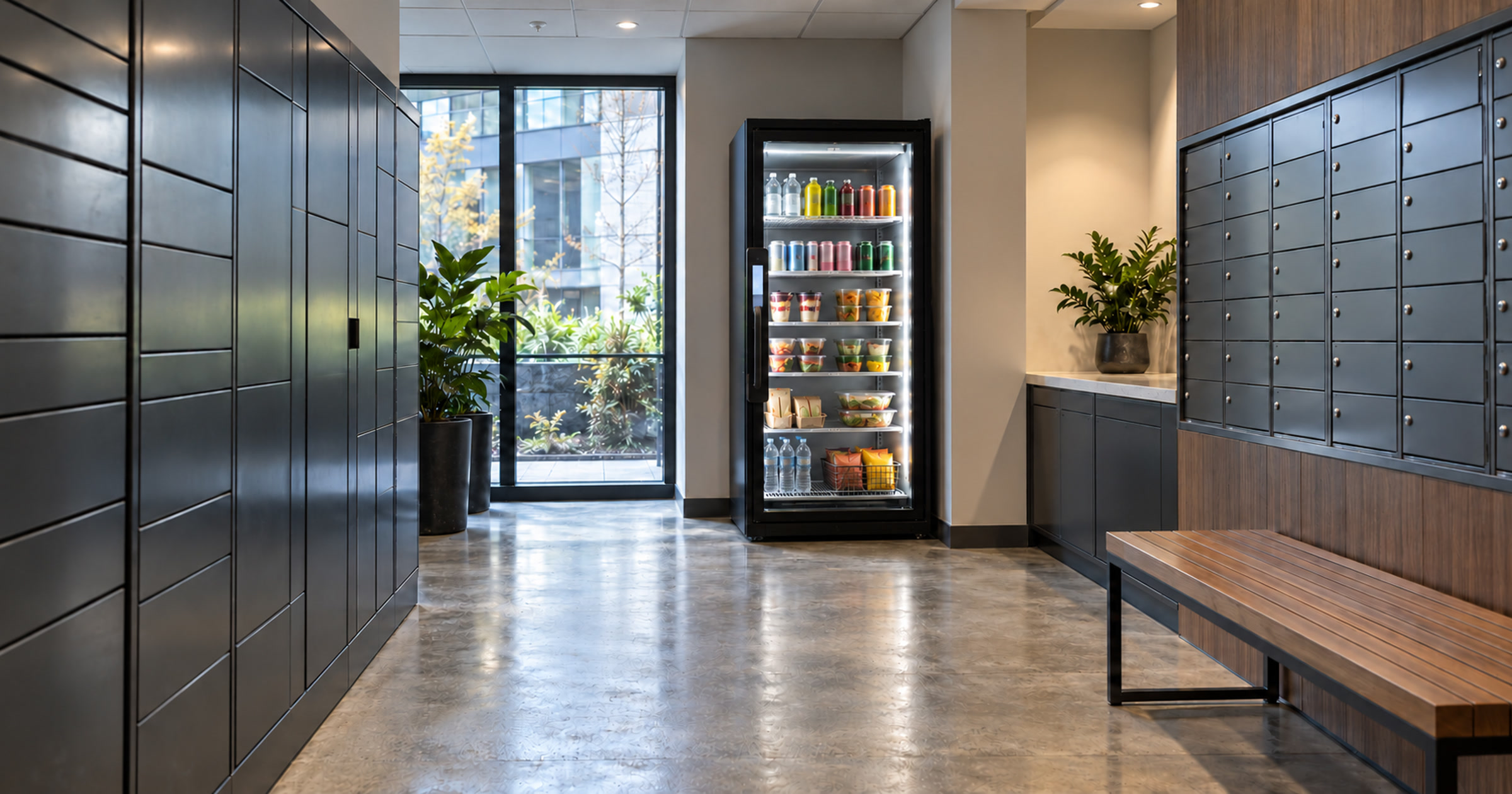
Austin Housing has a small but useful process change in motion. Starting August 1, 2026, developers seeking certain city housing incentive programs need to review a new certification process before submitting development applications.
That sounds like paperwork. It is paperwork.
But it is also a reminder that the best building decisions happen before the floor plan gets locked. If you are already thinking about applications and site plans, food access belongs in that same conversation.
Revvolto has no connection to Austin Housing, the City of Austin, or any named development program. The local hook is simple: when Austin projects move through early planning, the grab-and-go plan should not be left for the week before opening.
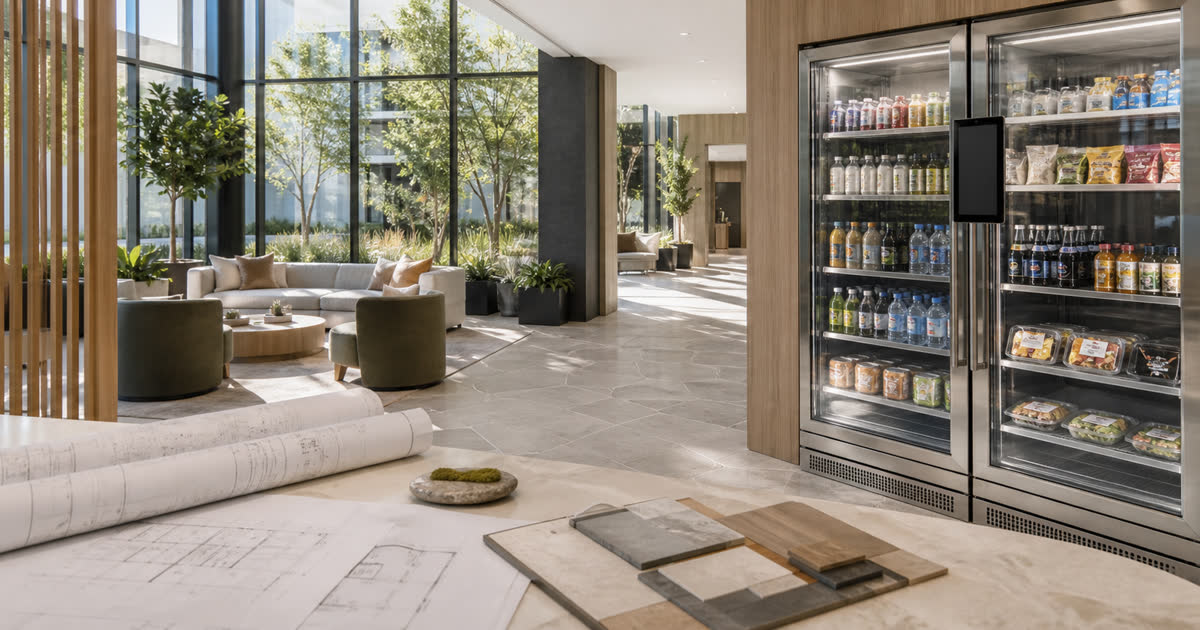
Food access is easier to plan early
The City of Austin page says the new development incentive certification process began August 1 and tells applicants to review the notice before submitting a development application. It also says SMART Housing applicants need a prequalification letter before site plan or building permit applications. That is a very specific planning moment.
A smart vending machine or smart fridge is not the first thing on a development checklist. Fair enough. Zoning, financing, and construction details come first.
The mistake is pretending daily use starts after opening day. It starts in the plan.
But the food access question gets expensive in a different way when it is ignored. Not in some made-up revenue projection. In daily friction.
Where do residents pause after parking? Where does a leasing team get asked about bottled drinks during tours? Where does an office user walk during a short break? If the answer is “somewhere else,” the amenity plan has a gap.
Planning early does not mean turning every lobby into a market. It means leaving a practical spot for stocked, cashless food and drink access where people already slow down.
The wrong spot creates work
A vending plan can look fine on paper and still be wrong in the building.
The cleanest empty wall might be out of the way. The prettiest lobby corner might block movement. The back hallway might be easy for service but useless for the people who would actually buy something.
That is why the pause path matters.
For a mixed-use building, the better spot might sit near a resident lounge. For a small office, it might be close to the breakroom people already use. For a retail or service business, it might belong near the staff route rather than the customer entrance.
The point is not to make the machine decorative. The point is to put it where it solves a real building problem without handing daily snack work to someone on site.
That is where modern smart vending earns its keep. The unit can support cashless payment, stocked product access, and regular service without asking the property team to manage a snack shelf out of a supply closet.
Austin growth needs practical amenities, not amenity theater
Austin keeps adding housing and commercial space. Some projects are huge. Some are small. The planning problem is the same at human scale: people need simple food and drink access in the places where the day actually slows down.
A smart vending cooler will not make a bad development good. No amenity does that.
But it can keep a good building from having a stupid daily gap.
If residents have to leave the property for every drink, the lounge is doing less than it could. If employees have to drive for a ten-minute snack run, the breakroom is not pulling its weight. If the front desk becomes the backup snack counter, the building has designed work into the wrong job.
This is why food access should be treated like a placement decision, not a last-minute purchase.
A useful plan asks three plain questions:
- Where do people already pause?
- Can the unit be serviced without creating a mess?
- Does the product mix fit the actual audience?
That is enough to avoid most bad placements. It also keeps the decision grounded. You are not buying a shiny box. You are deciding whether the building has a real pause point worth serving.
What Revvolto would look for
When we look at a qualified Austin-area location, we are not trying to force the biggest setup into the nicest photo corner. We are looking for the fit.
A compact smart fridge might be right for a smaller staff area. A full glass smart vending unit might work better in a resident lounge or shared workplace. A micro market style setup can make sense when the room, traffic, and service path support it.
The useful answer depends on the building.
For developers and property teams, that is the takeaway from Austin’s current planning moment. If the city process is pushing paperwork earlier, use that same discipline on everyday amenities. Decide where food access belongs before the building is already operating and everyone is stuck improvising.
Revvolto can help qualified Austin-area properties think through smart vending, smart fridges, and compact grab-and-go options before the leftover-space problem shows up.
If your project is already moving from plans toward real use, tell us about the location at revvolto.com/contact-us.
Source
Austin Housing notes that new certification processes for development incentive programs began August 1, 2026, and that certain applicants need prequalification before site plan or permit applications. Source: Development Incentives and Agreements, Austin Housing