CapMetro’s approved August 2026 service changes are a clean reminder for Austin property teams: movement patterns change, and food access should be planned around the places people actually pause.
This is not about Revvolto being connected to CapMetro or any public route update. We are not. The useful point is simpler. When a transit pattern shifts, the best building amenities are the ones placed where daily traffic already slows down.
A smart vending machine or smart fridge works best when it fits that real path. Put it too far from the decision point and people walk past. Put it where the daily pause already happens, and the amenity starts acting like part of the building instead of another forgotten appliance.
Transit changes are really building-entry changes
CapMetro says its August changes began August 16. The update touches regular routes and campus shuttle timing, with downtown Night Owl adjustments during construction. That mix matters because transit is not just transportation planning. For a building, transit is arrival planning.
A property near a changed route may see a different front door carry more weight. A campus building may feel a different lunch rush. A workplace near a temporary construction pattern may watch people enter from the side that used to be quiet. None of those shifts automatically call for a huge food-service buildout. They do call for a sharper look at the pause path.
That is where smart vending can earn its keep. The unit does not have to become a full cafe. It only has to sit where people already stop before they move again.
The trap is treating food access as a room feature instead of a route feature. A nice break area in the wrong corner is still the wrong corner.
The pause path beats the prettiest empty wall
Most buildings have an obvious spot that looks good in a floor plan. It is open, symmetrical, and easy to photograph. That does not make it useful.
Smart vending placement should start with the boring questions. Where do people enter after transit? Where do staff members pass when the cafe is closed? Where does a visitor wait when a meeting runs late? Where can a service tech reach the machine without cutting through the middle of the day?
Those questions matter more than a perfect blank wall. A vending machine Austin buyers can actually use has to meet the pattern of the building. If transit or campus movement changes, the useful spot may move too.
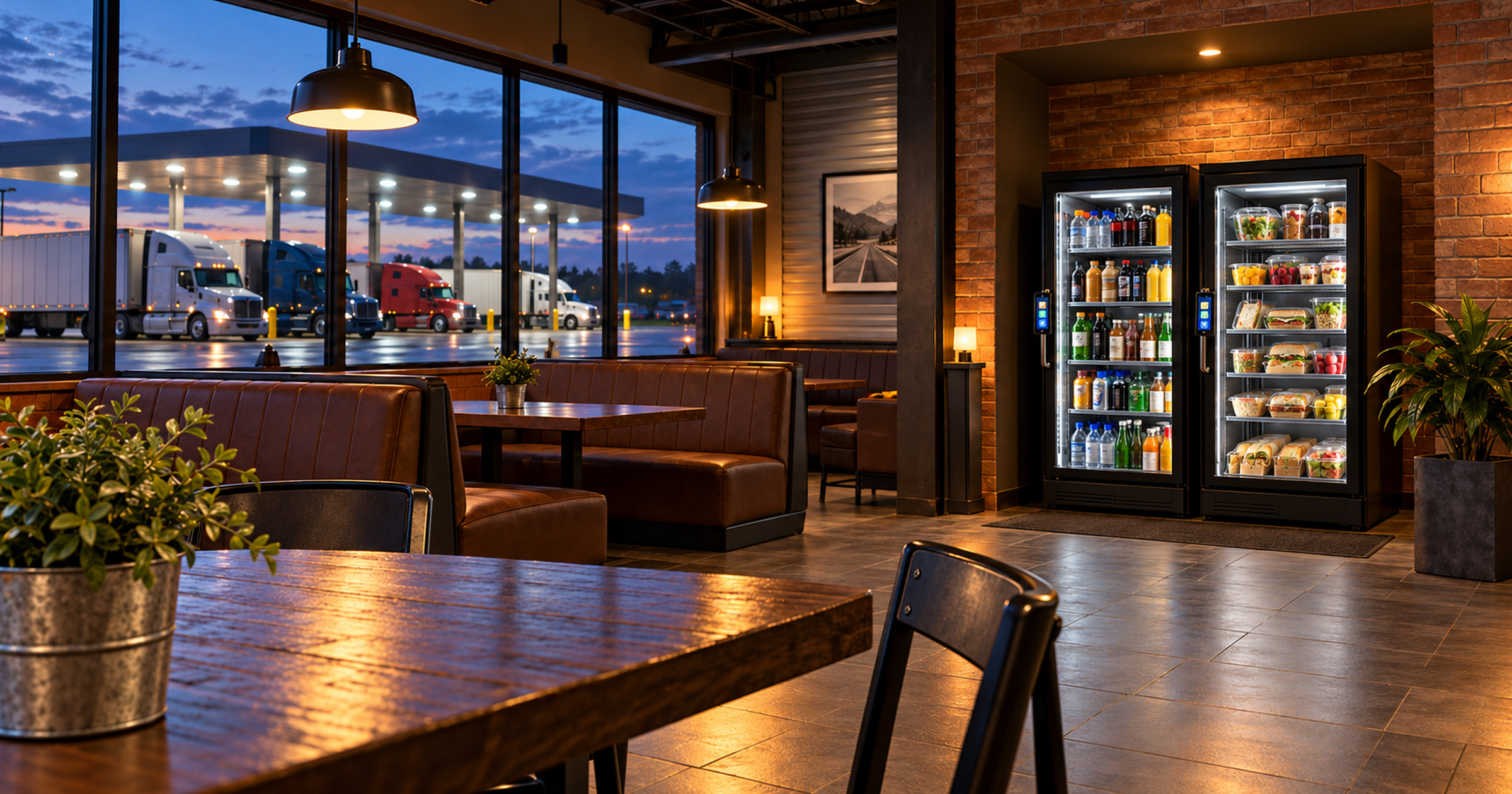
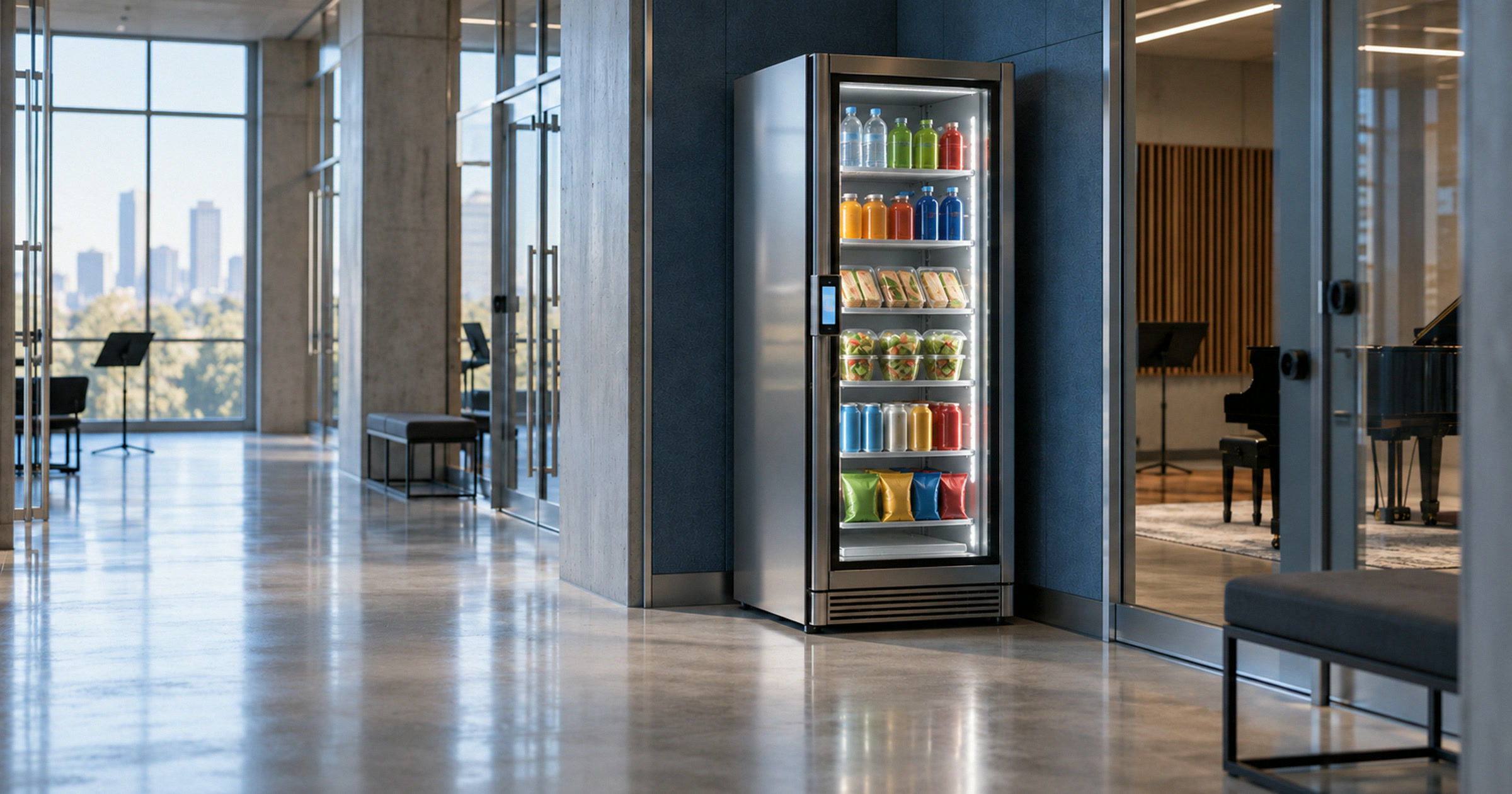
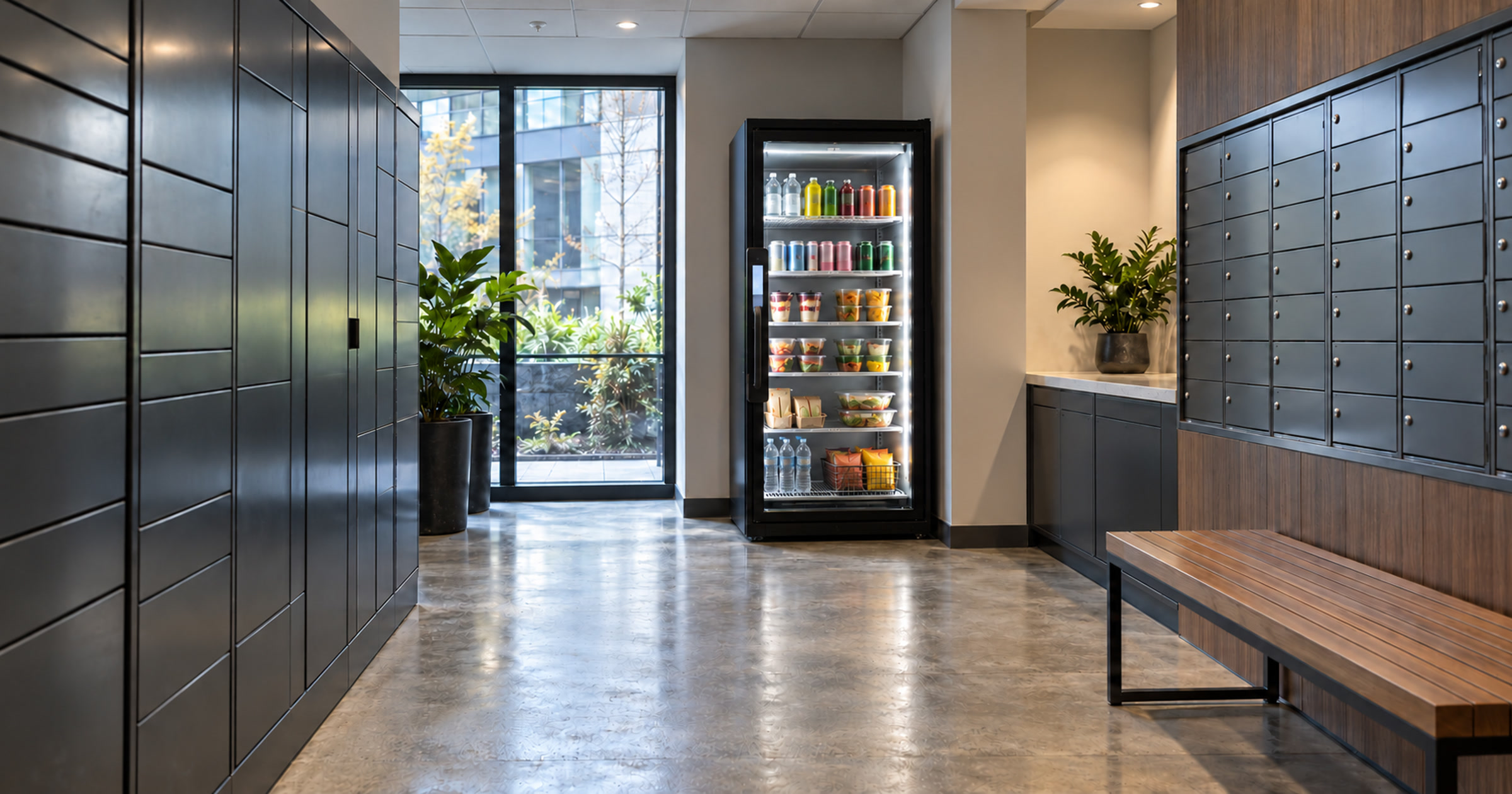
This is especially true around shared buildings such as mixed-use properties and campus facilities. A smart fridge near a lobby-adjacent pause point can support short visits without creating a staffed counter. A smart vending unit near an employee corridor can support breaks without pulling a facilities team into snack management. The best version is not loud. It is simply in the right place.
Revvolto usually looks for that kind of fit before recommending a placement: enough recurring traffic, a clean service route, and a buyer who wants the amenity handled without turning it into another internal chore.
Service access is part of the amenity
A smart vending machine is not just a box with drinks in it. It is an operating system that has to be stocked and kept presentable.
That is why transit-adjacent placement should not mean “throw it by the door and hope.” Good placement has two sides. One side serves the person using the machine. The other side lets Revvolto maintain the machine without making the building work around us.
For Austin buildings watching route changes or nearby construction, that means checking the service path before the final spot is picked. Can restocking happen without blocking the main entry? Can the machine be reached without dragging carts through a crowded lobby? Is there enough room for people to browse without creating a bottleneck?
Those details sound small until they are ignored. Then the amenity becomes a hallway problem.
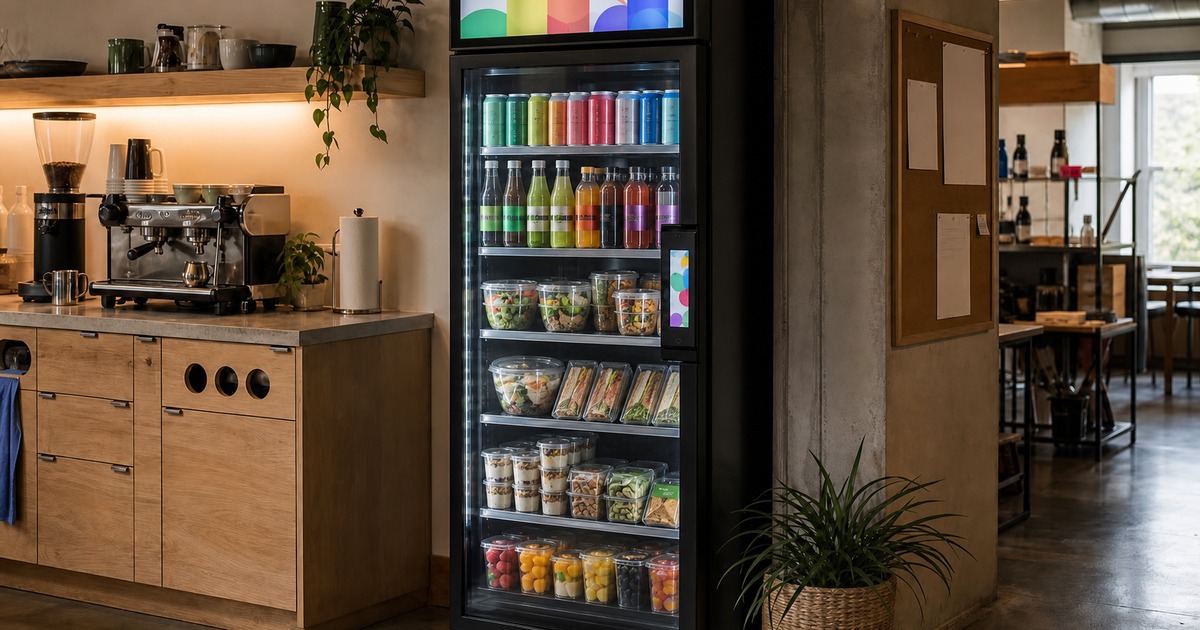
A modern smart fridge or smart vending cooler should feel like it belongs in the building. Clear glass, cashless checkout, and stocked options help. So does boring operational discipline. The machine has to look good on day one and still make sense after the room gets busy.
What Austin property teams can take from this
The useful lesson from the CapMetro update is not that every building near a route change should add vending. That would be lazy.
The real lesson is that food access belongs in the same conversation as building movement and service access. When arrival and wait patterns change, the old amenity map may be out of date.
For a workplace, that might mean checking whether the break area still matches the entry pattern. For a campus facility, it might mean looking at staff-only access after the main food options close. For a mixed-use property, it might mean thinking about visitors who arrive between peak retail hours and still want something simple nearby.
Smart vending and smart fridges are useful when they reduce friction without adding a new job for the building team. Revvolto handles stocking and service for qualified placements, typically at no cost to the location. The placement still has to make sense. Traffic and service access decide whether the idea is strong.
Austin keeps changing. The buildings that feel easiest to use will not be the ones with the longest amenity list. They will be the ones that put practical food access where people already pause.
If you are reviewing an Austin property, start with the path before you pick the machine. Tell us about the location at revvolto.com/contact-us.