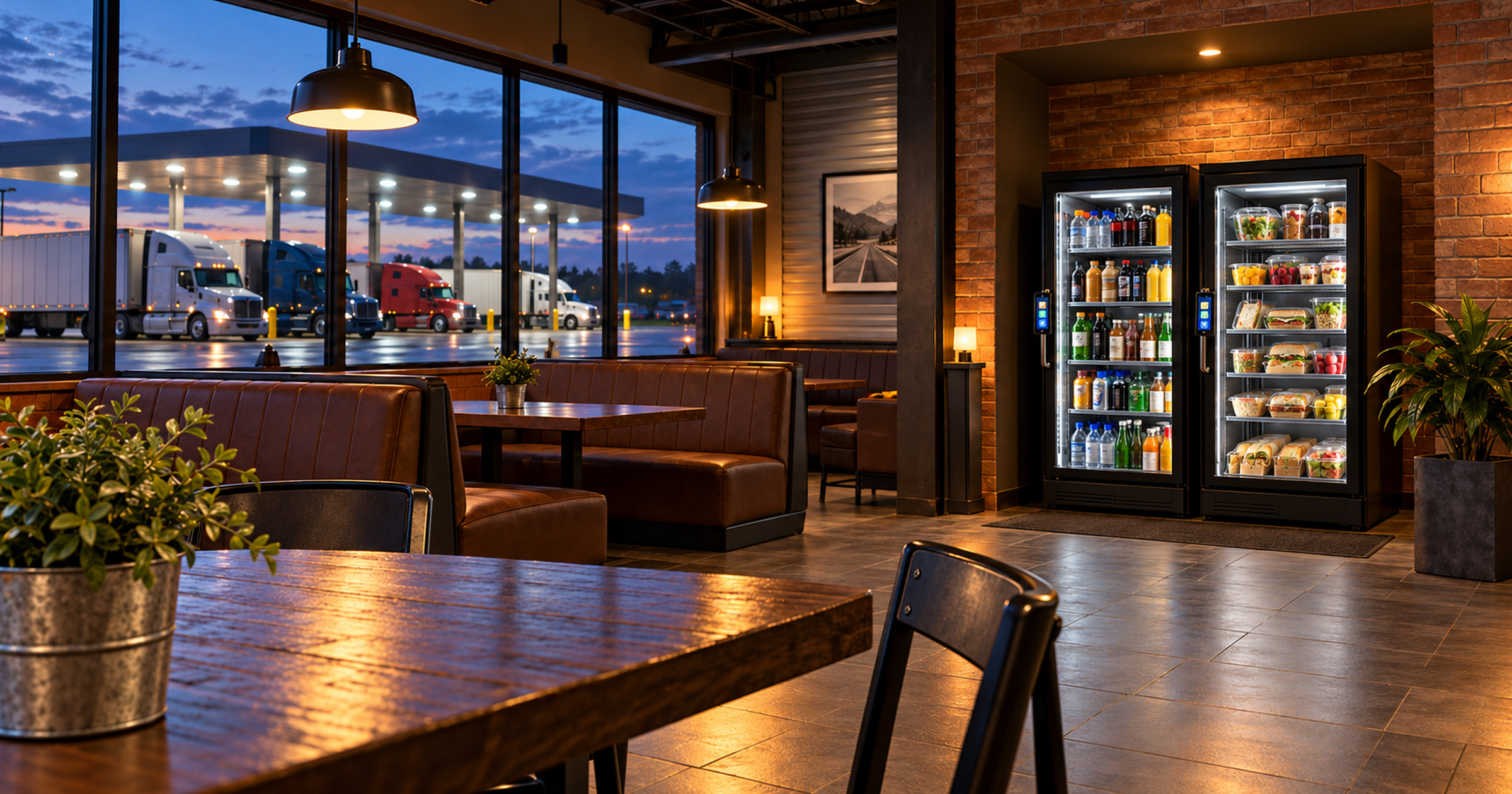
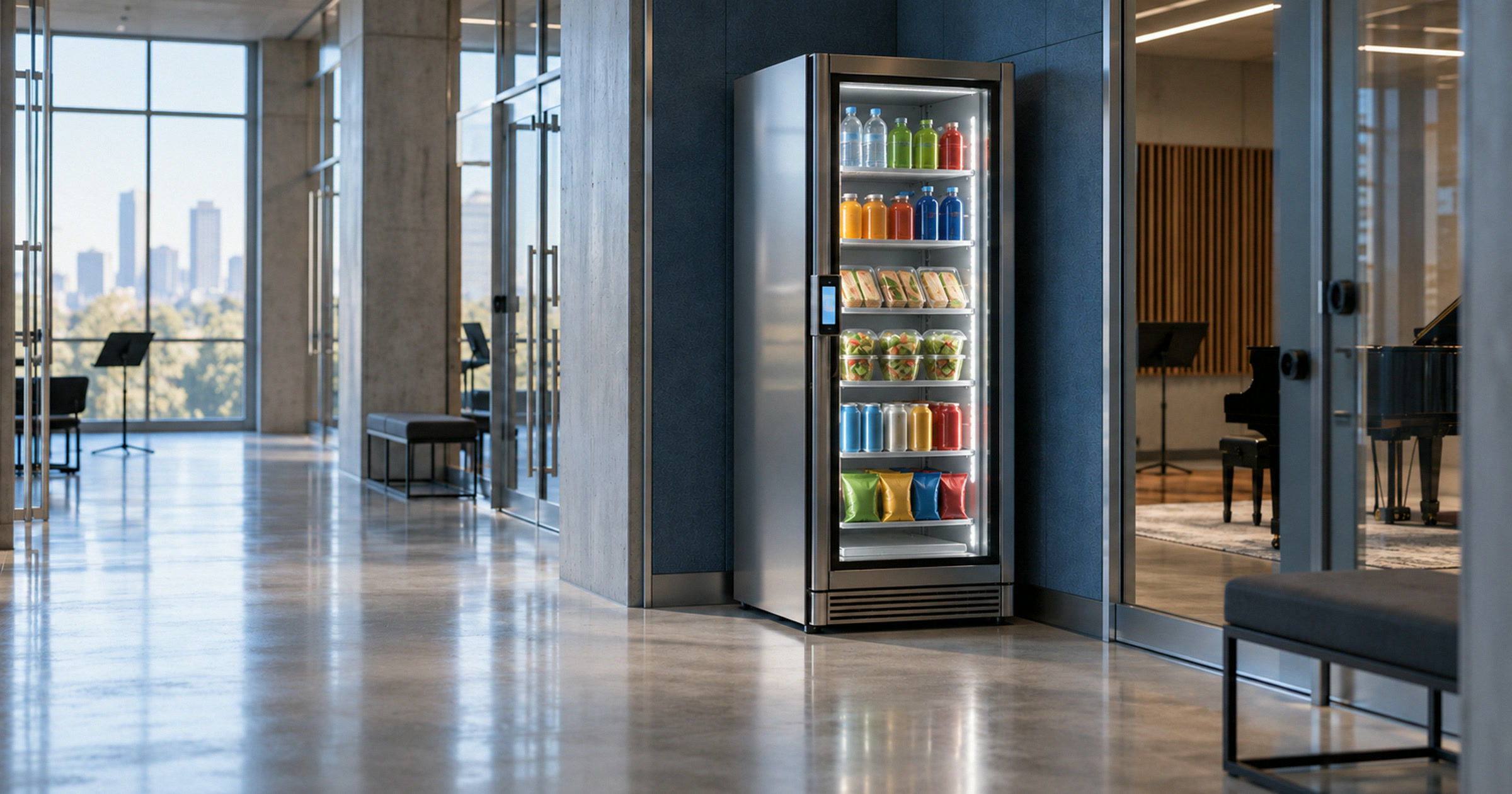
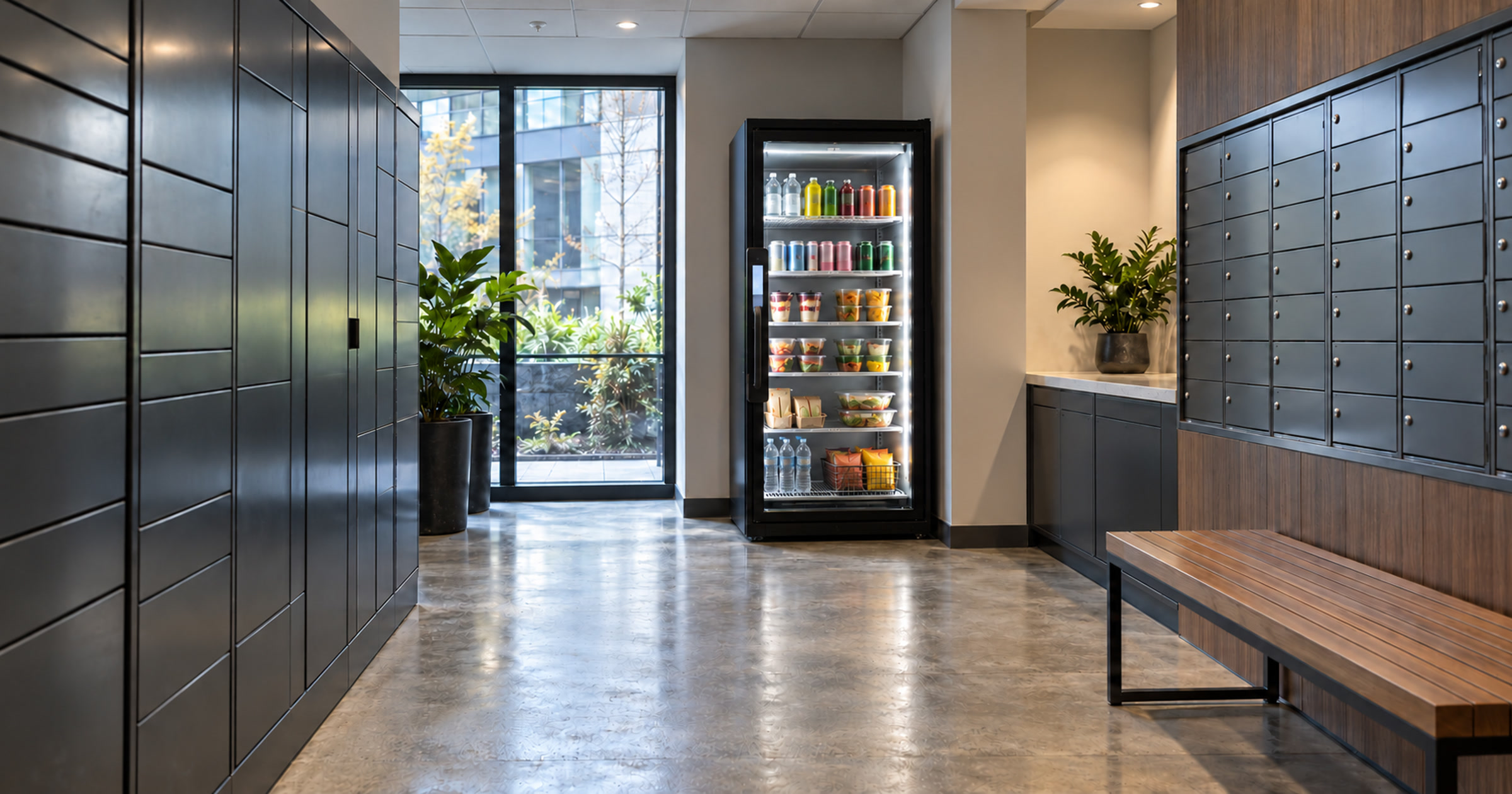
Austin Museum Day is a good reminder that food access is not only a stadium or hotel problem. It shows up anywhere people move through a building, stay longer than planned, and want a simple place to grab a drink or snack without sending staff into a side quest.
The 29th Annual Austin Museum Day is scheduled for September 20, 2026. The Austin Museum Partnership says more than thirty greater Austin museums are expected to welcome visitors for a free day with special programming and tours. Visit Austin also lists the event as a citywide museum day across Austin. That is a useful local signal for attractions that see busy public days mixed with quieter staff days.
A smart vending machine will not fix a bad floor plan. It can make a good pause path more useful when it is placed where people already slow down.
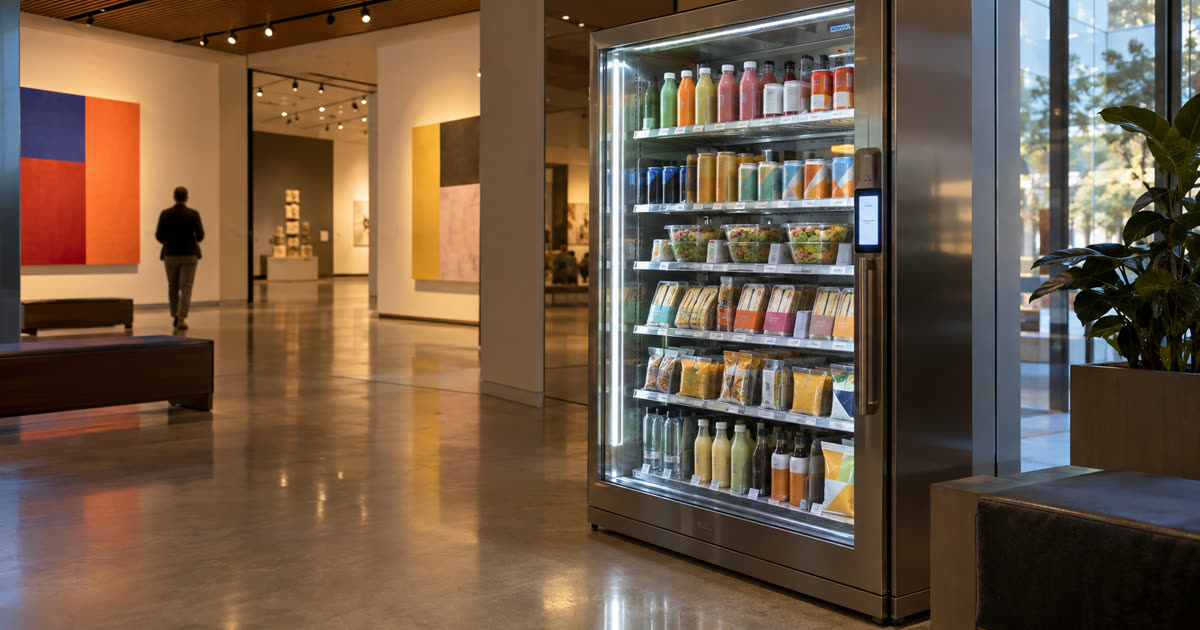
Museum days expose the real pause path
Large public days make building habits easier to see. Visitors do not move like a spreadsheet. They arrive in waves. They linger near maps, gallery entrances, and ticket counters. They also cluster near education rooms and exits when the day gets busy. Staff and volunteers move differently again. They want quick access near work areas, not a long walk that pulls someone away from the room.
Austin Museum Day makes that movement visible because the event is spread across many local institutions instead of one single venue. Some locations are built for heavy visitor traffic. Others are smaller cultural spaces that may feel busy only on special programming days.
That matters because vending placement is a traffic decision before it is a snack decision. A beautiful machine in the wrong corner becomes furniture. A compact smart cooler near a natural stop can support the visit without changing the whole operation.
For a museum or attraction, the best question is simple: where do people already pause with permission? A lobby bench, staff corridor, or education-room foyer may do more work than a back hallway nobody uses.
The right amenity supports visitors and staff differently
Public attractions have two food-access problems at once. Visitors want something convenient during a longer day out. Staff, volunteers, and event teams want something close enough to use during a short break.
Those are different buyer moments, so the placement should not pretend they are the same. A visitor-facing unit belongs near the public path, with clear room around it and no awkward crowding at the entrance. A staff-facing unit belongs behind the scenes, close enough that people can use it without leaving coverage gaps.
That is where smart vending and smart fridges are useful. They can fit in smaller footprints than a cafe counter and support cashless grab-and-go when the location qualifies. We handle the stocked product and service, so the amenity does not become another job for the front desk or facilities team.
The lesson is not that every museum should add vending this week. The lesson is that busy cultural days reveal the places where a compact food option would either help or get in the way.
Plan for service access before the room gets busy
Food access fails quietly when nobody plans the service path. The machine may look fine on a rendering, then become annoying because refills cut through a crowd or block a doorway. If service teams have to use the wrong entrance, the placement is already fighting the building.
Before adding a smart vending machine, walk the route like a service visit. Check whether a team can reach the unit without crossing a protected gallery area. Look at door swing, electrical access, and visitor flow. The best location keeps the amenity visible while leaving the building easy to run.
Austin Museum Day also points to a scheduling issue. A location may not use the same product mix on a normal Tuesday as it does on a major free-admission day. Cold drinks, quick snacks, and simple grab-and-go items can matter more when people are staying longer or moving between nearby cultural stops.
Smart vending gives the operator room to adjust the mix over time. Purchase data can help refine assortment, and regular service keeps the machine from becoming a forgotten appliance in the corner.
Local attractions should start with the room, not the machine
A good museum or attraction amenity starts with the building experience. Where are people waiting? Where do staff take real breaks? Which path already has enough space, power, and visibility? Which public area would feel helpful instead of commercial?
Those questions keep the decision grounded. They also prevent the common mistake of treating vending as a generic box that can land anywhere. It cannot. The setting decides whether the amenity feels useful or weird.
For Austin attractions, this is especially important because many spaces balance public programs and staff operations inside one building. A smart fridge or smart vending machine should support that rhythm. It should not compete with the experience people came for.
We think the strongest setups are quiet, practical, and easy to maintain. Put the unit where it matches the pause path. Keep it stocked on a regular cadence. Make payment simple. Leave enough room for service. Then the amenity can do its job without becoming the main character.
Austin Museum Day is only one date on the calendar. The bigger point is what it reveals. If people regularly stay on site long enough to hunt for a drink, your building may already be showing you where smart vending belongs.
If you are planning food access for a museum or attraction, tell us about the location at revvolto.com/contact-us.