A hotel smart vending setup earns its place after the installer leaves. That is when the overnight desk gets a payment question, a popular shelf runs low, or the provider’s service plan gets tested.
Limited-service hotels have a simple operating test: does the technology remove work from the hotel team, or merely move retail chores onto another screen? The answer depends less on flashy features than on who watches the system and who acts when something changes.
Hotel smart vending data needs an owner
Inventory visibility matters because it gives the operator a better view of what is moving. The operator can use it to guide stocking decisions and spot gaps before the property team starts fielding complaints. A dashboard alone does not refill a shelf.
Ask who reviews the information and how it becomes a service action. If a drink sells faster during late arrivals, the operator uses that signal to adjust the next visit. The front desk stays focused on check-ins.
This is where the service model matters more than the sales demo. Revvolto’s current hotel offer is built around round-the-clock grab-and-go access. Our public service description puts stocking and ongoing maintenance with us. That division of work is the useful feature.
Keep payment support with the operator
Cashless checkout is convenient until a guest has a question. Before installation, decide where that question goes. A small instruction panel can point people toward the right support route, but the property still needs a provider that owns the follow-through.
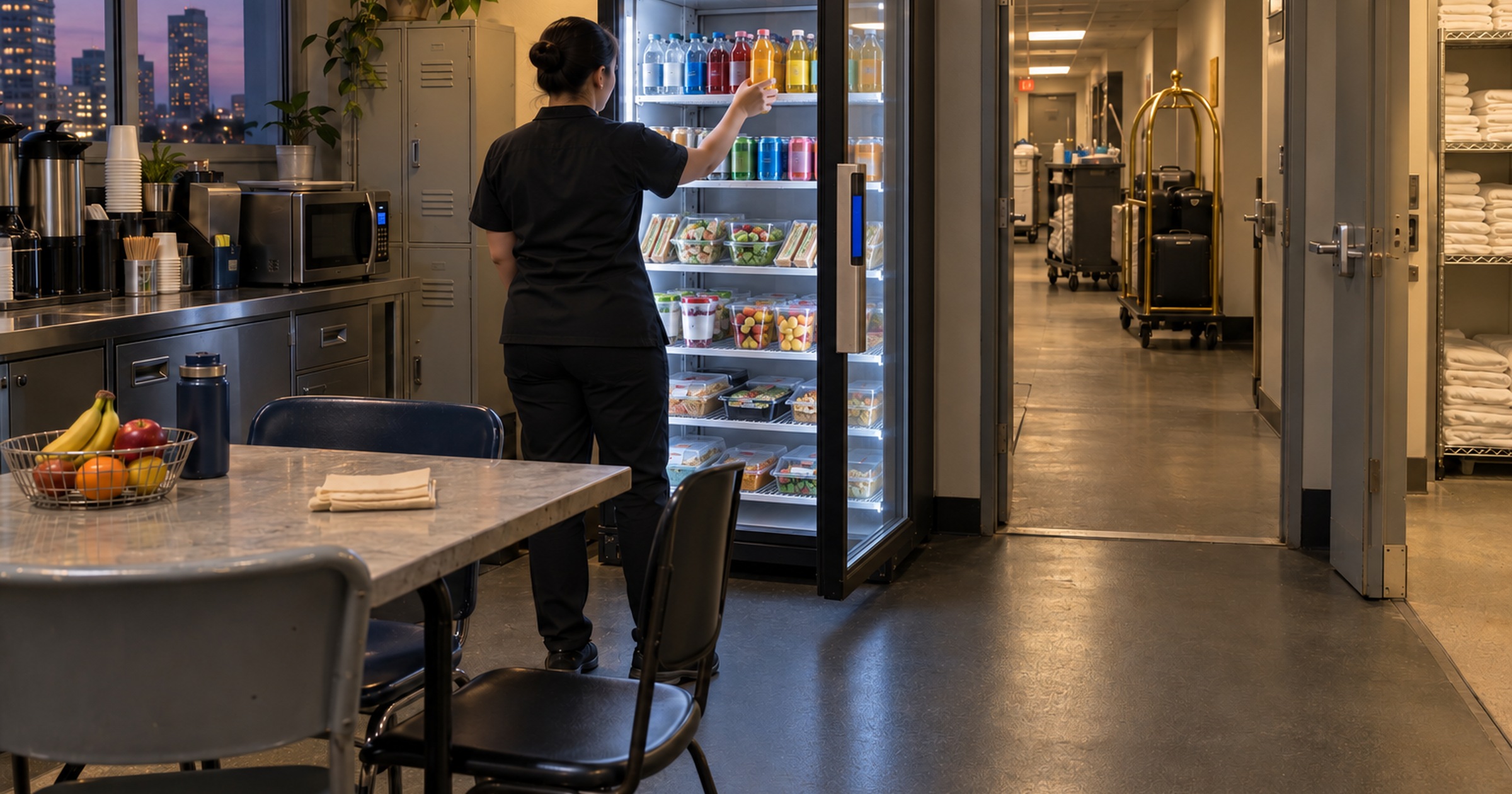
The same rule applies to staff areas. Overnight employees get access during their normal break window. Payment support stays with the provider, even when on-site employees work closest to the machine.
Keep the process short. The user reports the problem. The operator checks the transaction or equipment. The property contact gets involved only when building access or an on-site issue requires it.
Technology earns its keep through service
A modern unit may provide inventory or equipment information, depending on the system. The buyer’s question is what the operator does with it.
Who receives the alert? What can be handled remotely? When does someone visit the property? Those questions expose the difference between useful monitoring and a dashboard that simply hands the hotel more data.
Before launch, write a one-page handoff covering four things:
- the support route shown to buyers;
- who reviews low-stock information and plans replenishment;
- which property contact can grant back-of-house access; and
- what happens when a payment issue or equipment fault cannot be resolved remotely.
Then test it with three ordinary situations: a late-night payment question, a best-selling drink running low, and a locked service entrance during a planned visit. If each scenario has a clear owner and next step, the system is supporting the operation. If the answer is “ask the front desk,” the handoff is not finished.
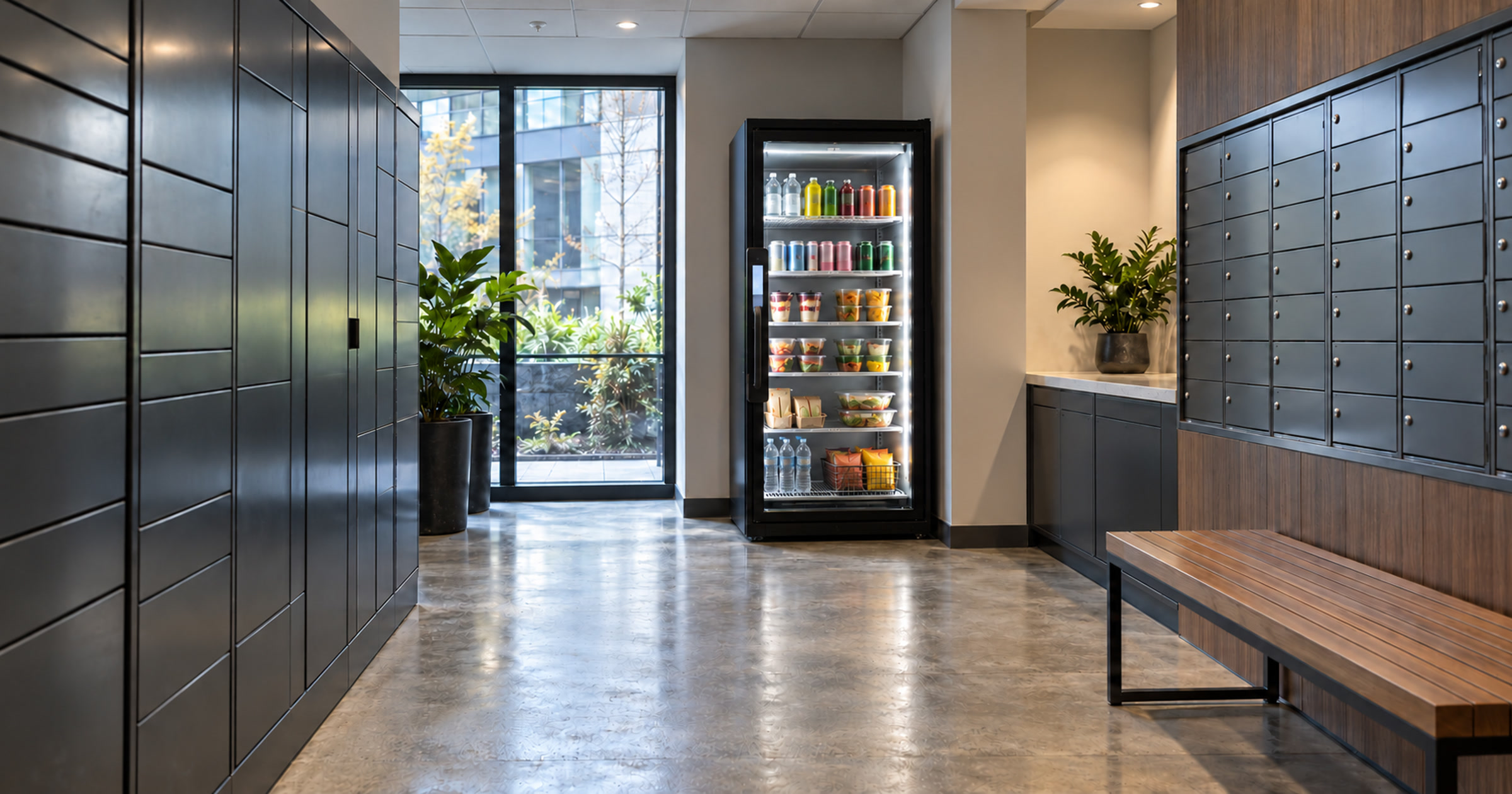
Placement affects this handoff too. A guest-facing lobby unit calls for a help route that directs users to the provider. A staff-area smart cooler may need a different contact path because fewer people use it and access hours differ. The technology can be the same while the operating plan changes with the room.
Equipment selection follows the service conversation. Start with the hotel moment you want to cover, then confirm how stocking and payment issues move from information to action. Our smart retail overview explains the available formats, but the operating handoff is what keeps a good unit from becoming another front-desk task.
If your hotel is reviewing a smart cooler for a lobby or staff area, tell us about the property. We start with the room and the service responsibilities.