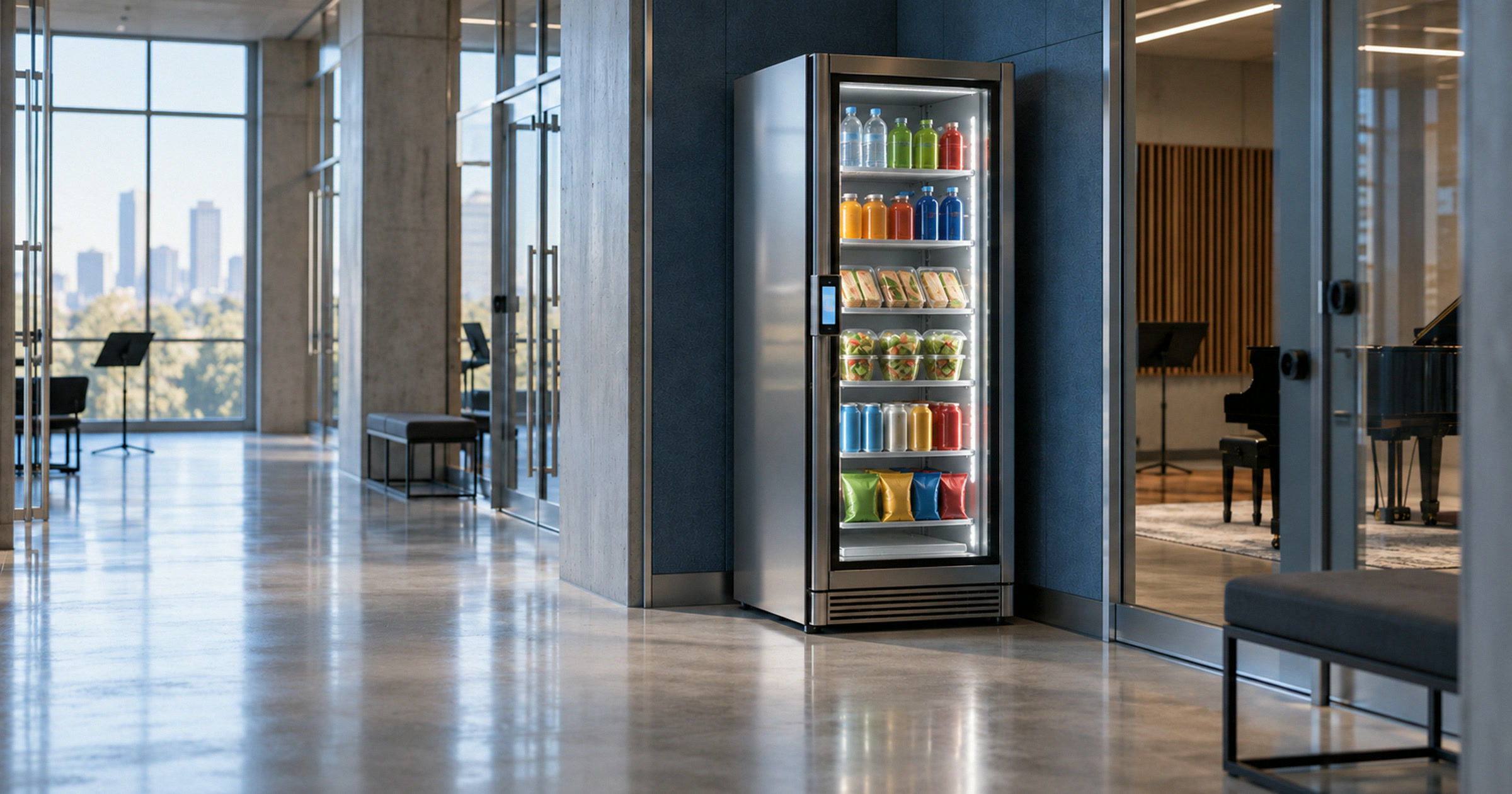
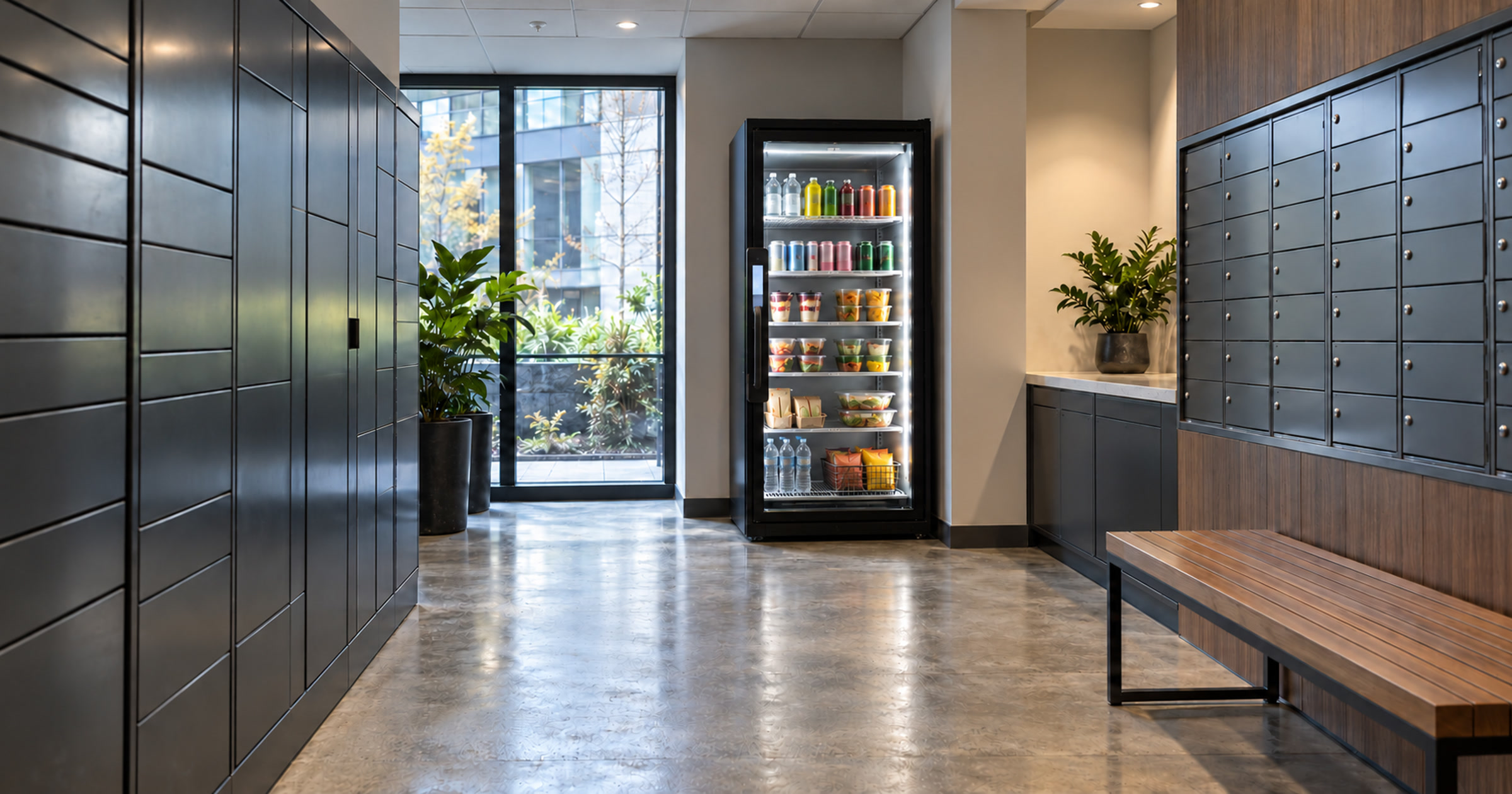
A veterinary clinic is a weird place to make people leave for food.
Your team may be handling appointments, cleaning, and callbacks while also managing emotional client conversations that do not fit neatly into a lunch break. If the only drink or snack option is somewhere off site, the cost question is not just the machine. It is whether the setup quietly pulls staff away from the building or gives your office manager one more thing to babysit.
Smart vending can work for veterinary hospitals and emergency vet clinics when the plan is honest about qualification and service ownership. It should help your staff get through long shifts without turning your clinic into a convenience store.
Start with the real cost question
The first question is not “How much is the machine?” The better question is what your clinic is actually agreeing to manage.
Some vending arrangements look simple until the hidden work shows up. Who checks whether products are stale? Who handles a card reader issue? Who answers when a team member says the cooler charged them but the door did not open? Who keeps the unit from blocking the staff path when a supply cart has to move through?
That is where the cheapest-looking option can become expensive in staff time.
For a veterinary clinic, the safer cost conversation starts with fit. A qualified placement should have enough staff traffic, a sensible break path, and a spot where the unit can be serviced without walking through client-facing spaces. Emergency and extended-hour clinics should be even more careful, because overnight access matters only if the machine is easy to use and the service plan is clear.
Revvolto’s model is built around that operating question. In qualified locations, we typically install a modern cashless smart vending unit or smart cooler at no cost to the location. We handle stocking, payment technology, and service. The clinic still needs to be a good fit. That is the grown-up version of the cost conversation.
Keep it staff-only and out of clinical flow
Veterinary staff food access belongs in staff space.
That might mean a breakroom, employee pantry, or staff-only pause point. It should not sit in the client waiting room unless the clinic has a separate reason to serve clients publicly and has approved that use. Most clinics are solving a staff problem: quick food and drinks during shifts where leaving the building is inconvenient.
Placement also has to respect movement. The U.S. Access Board’s ADA guidance is not a vending-machine checklist, but it is a useful reminder that clear movement space matters when you add equipment to a building. A smart vending unit should not narrow the route your team already uses with carts or cleaning equipment.
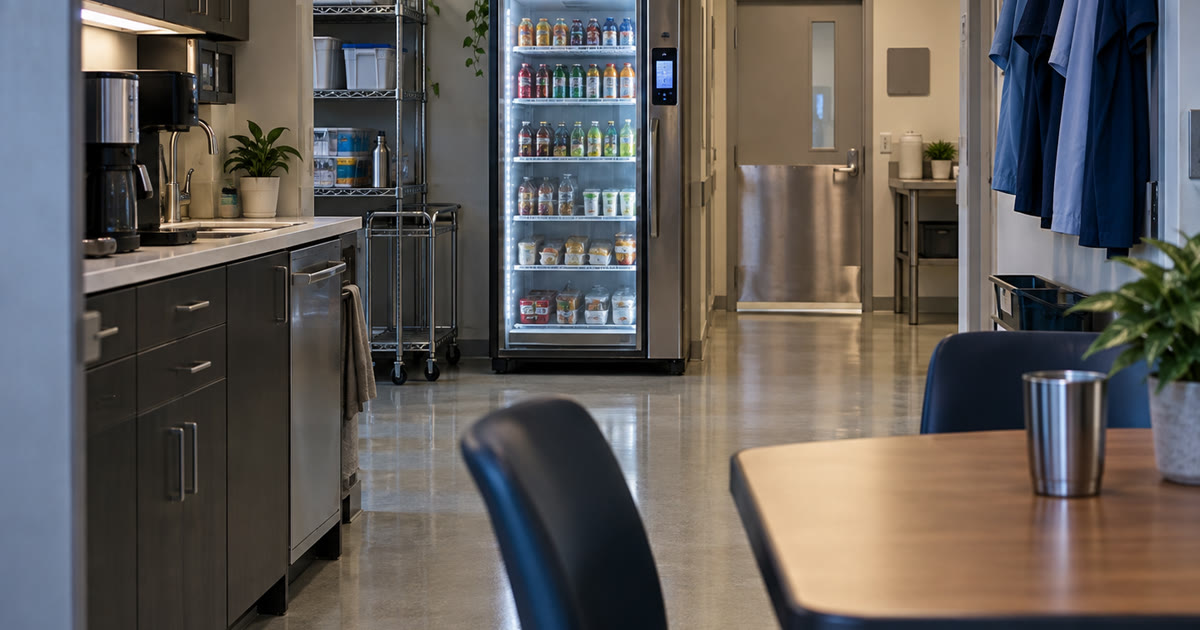
The best placement usually has boring traits. It is visible to staff. It is close enough to the break path to get used. It gives a service person room to open the door and restock. It does not compete with medicine storage or the client path.
Boring is good here. Boring means the machine is doing its job without creating a new workflow problem.
Ask who owns payment support
Cashless vending is useful in a clinic because staff do not have to carry coins or hunt for cash during a short break. But payment technology still needs an owner.
PCI Security Standards Council merchant resources frame payment security as a mix of people, process, and technology. That is a good lens for vending, even when your clinic is not managing the card system directly. The clinic should know who supports the payment hardware, who investigates transaction issues, and how a staff member gets help if something fails.
Your front desk should not become the payment help desk for a vending machine.
That matters in veterinary settings because the front desk already absorbs client questions, scheduling pressure, and emotional moments. If staff food access creates more counter interruptions, the machine is solving the wrong problem.
Before you say yes, ask the operator direct questions. Who handles payment support? How are refunds or failed vend reports handled? Who services the unit if the reader or lock misbehaves? What does the clinic team do when there is an issue?
If the answer is vague, that is the cost.
Product mix should fit clinic shifts
A veterinary clinic does not need a random snack wall. It needs a product mix that makes sense for staff who may have short, uneven breaks.
Think cold drinks, simple snacks, and quick lunch items that hold up well in a stocked cooler. Avoid turning the plan into a health claim. The machine is not there to promise better performance or healthier employees. It is there to give staff practical access to food and drinks without forcing another errand into the day.
The FTC’s advertising guidance says claims should be truthful and evidence-based. That rule is a useful brake on vending copy and vending sales talk. If someone promises a machine will fix retention or pay for itself through some exact outcome, ask for proof. If there is no proof, treat it as sales fog.
The practical product question is simpler: will your team actually use what is inside?
Revvolto can adjust assortment over time based on purchase patterns, but the starting point should still match the setting. An emergency clinic, a day clinic, and a specialty practice may not need the same mix. The site review should make room for that instead of pretending every staff area is identical.
What to ask before you say yes
A good vending conversation for a veterinary clinic should answer these questions before anyone talks about a launch date.
Where will the machine sit, and does that spot stay clear during normal staff movement?
Who stocks it, cleans around it, and handles service visits?
What happens when a payment, lock, or cooling issue comes up?
Those questions are not glamorous. They are the part that protects your team from inheriting a half-managed amenity.
If the location qualifies, Revvolto can make the setup straightforward. We provide modern hardware and handle service. Your clinic gets a staff food access option without assigning someone to become the snack manager.
That is the point. Smart vending should make the break path easier, not add another clipboard to the office manager’s day.
If you are weighing smart vending for a veterinary hospital or emergency vet clinic, tell us about the location at revvolto.com/contact-us.