Vending machine cost gets misunderstood because buyers ask one question too early: what does the machine cost?
That matters if you plan to buy equipment yourself. It is less useful if you want a stocked, serviced vending machine, smart vending machine, or smart fridge that does not become another project for your team. In that case, the better question is what your location must support, what the provider owns, and what happens after the machine is installed.
We usually want the conversation to start there. Not with a shiny equipment pitch. Not with a vague “free vending” promise. With the operating model.
For qualified locations, Revvolto is built around a lower-friction path: we provide the stocked amenity, handle restocking and service, support cashless payment, and keep the setup tied to actual use. Your team still needs to provide the right space, access, and site coordination. That split is where the real cost conversation lives.
Vending machine cost is not only equipment cost
A business can look at vending in more than one way. One path is buying or leasing equipment. Another is working with a full-service vending provider that places, stocks, and maintains the machine when the location is a good fit. If you are comparing models, start with the difference between no-cost vending placement and equipment ownership.
Those are different decisions. Treating them like the same purchase is how people end up comparing the wrong numbers.
If you buy equipment, you need to think about machine price, installation, and payment hardware. You also need a plan for restocking, maintenance, and downtime. If you use a full-service model, you still need to understand what qualifies the location, what the provider includes, and what your team is expected to handle.
The FTC’s small-business advertising guidance says advertising claims should be truthful, non-deceptive, and backed by evidence. That is not vending-specific advice, but it is the right standard for any cost claim. If a provider says “no cost,” ask what that means in plain English.
A strong answer should explain who owns the machine, who stocks it, who fixes it, who handles payment questions, and what your location must provide. If the answer gets slippery, that is the useful part of the meeting.
Ask what your location must support
A vending machine does not become a good fit just because there is an empty wall.
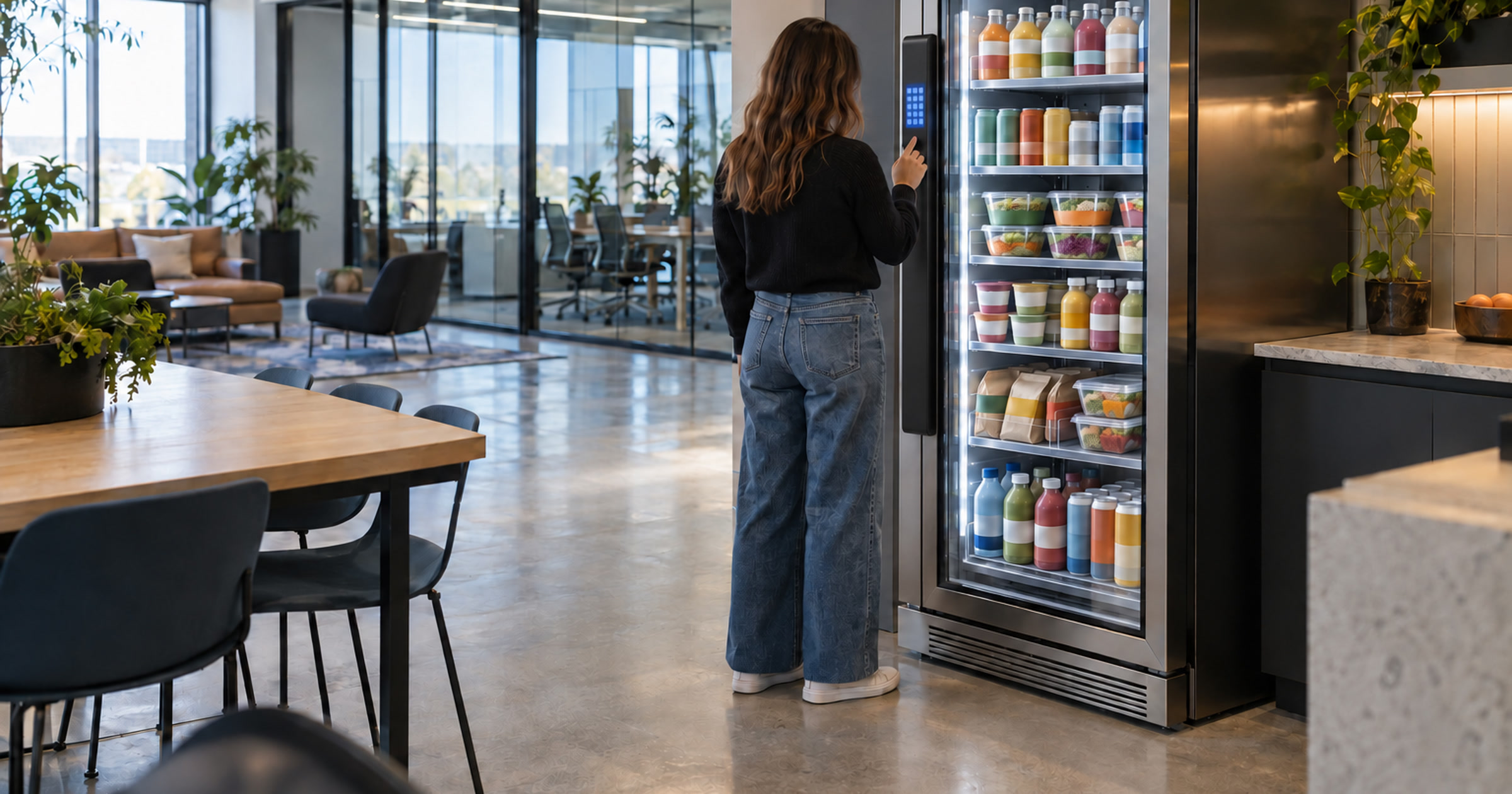
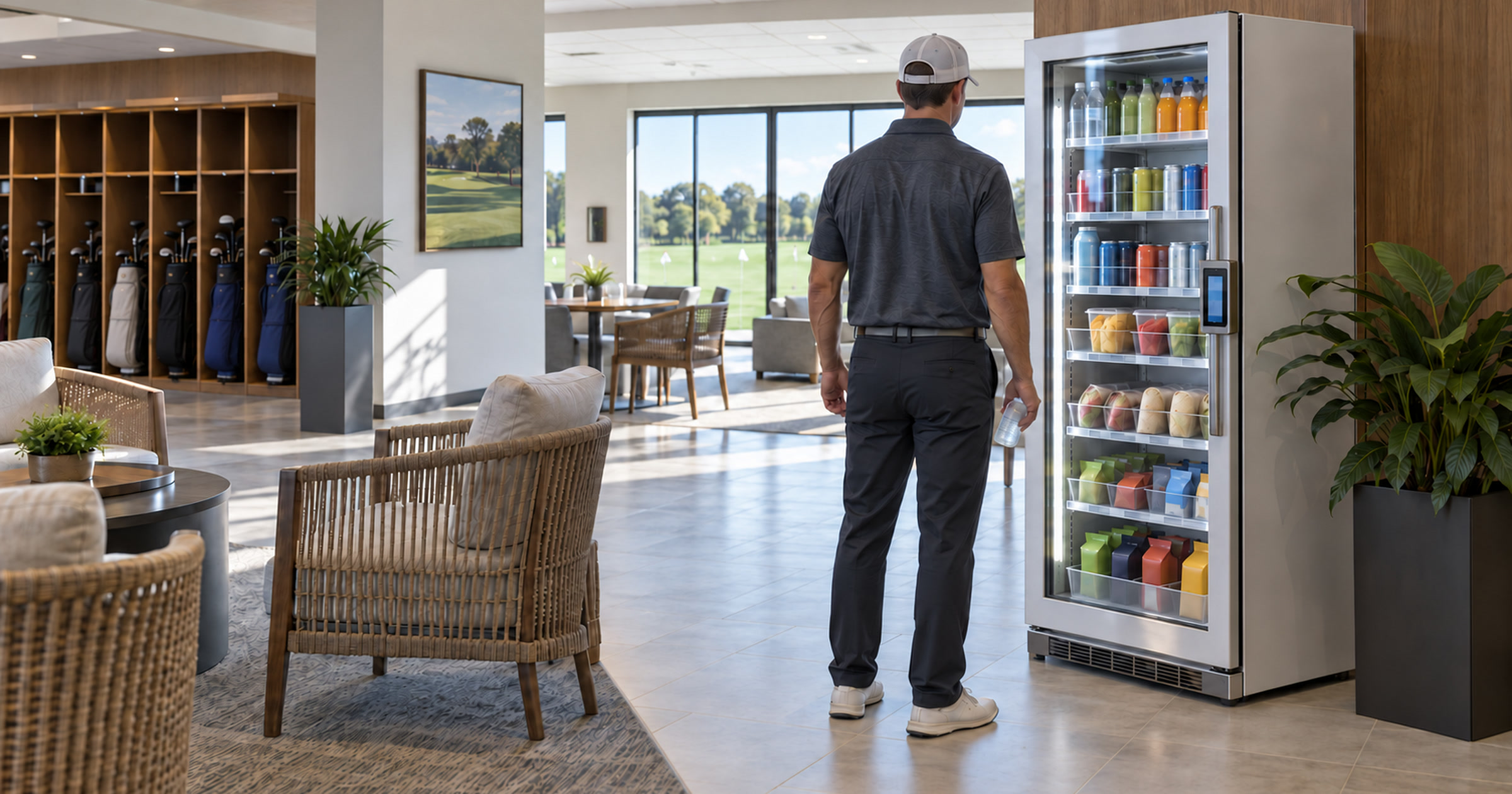
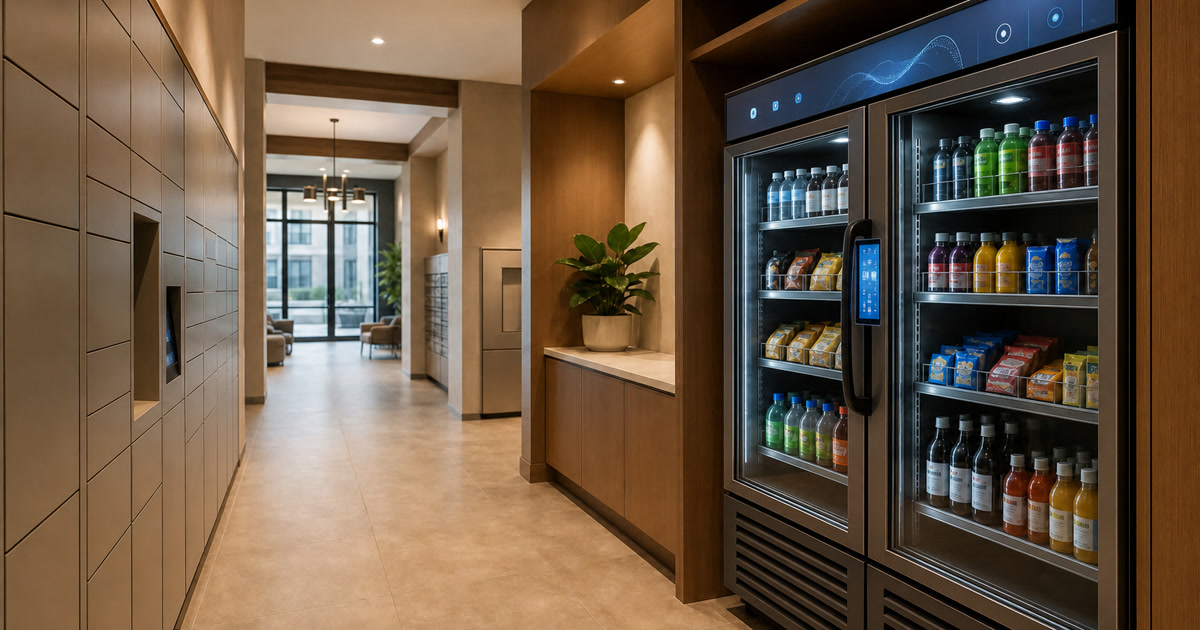
Your site needs a real use case. That might be employees who cannot leave during short breaks, residents passing through a package room, guests looking for grab-and-go options, or service customers waiting longer than planned. The location needs enough routine use to justify a stocked, maintained amenity.
Space matters too. A modern vending machine or smart fridge needs a practical traffic path, safe access for users, power, and enough room for service. If the unit blocks the wrong door, crowds a hallway, or hides in a dead corner, the cost problem is not the machine. The problem is the placement.
This is why a site review should happen before anyone talks like the decision is already made. We would rather say a spot is weak early than force a machine into a corner that makes everyone annoyed later.
That is not pessimism. It is cheaper than pretending every location is qualified.
Ask who owns service after launch
The operating question is simple: when something needs attention, who owns it?
Restocking should not become your team’s chore. Product requests should have a process. A failed vend should have a support path. If the machine needs maintenance, your front desk should not be guessing which number to call while someone waits nearby. That is why service ownership after installation belongs in the cost conversation.
Payment support deserves the same clarity. The PCI Security Standards Council explains that payment security standards apply to organizations involved in storing, processing, or transmitting payment account data. That does not make your facilities team a payments expert, and it does not prove anything specific about a vending setup. It does support one practical buyer question: who manages the payment path when cashless vending and card readers are part of the amenity?
A good provider should be able to explain the support loop without making it sound like your staff will become the refund desk.
For Revvolto, the goal is to keep the vending amenity operated, not merely installed. We stock it, maintain it, support the payment experience, and use product movement to guide assortment changes over time. Your team stays focused on the building.
Ask what changes if usage is lower than expected
The honest answer is that vending works best when the location earns it.
A qualified placement depends on traffic, audience, hours of use, and product fit. If those signals are weak, the right move might be a smaller setup, a different placement, a different product mix, or no machine yet. The wrong move is pretending low use will magically become high use because the equipment looks premium.
This is where the phrase “typically at no cost to qualified locations” needs context. Qualified matters. It means the site appears able to support the amenity without turning it into a bad fit for the provider or a disappointing experience for users.
Your questions should make that qualification visible:
- What makes this location a good fit?
- What would make the provider say no?
- What happens if product movement is slower than expected?
Those questions are not awkward. They are how you separate a real service model from a sales pitch wearing a nice shirt.
A cleaner cost conversation starts with responsibility
Vending machine cost is easier to understand when every responsibility has an owner.
Your location owns fit: space, access, and traffic reality. The provider should own the vending work: equipment, stocking, and service. If those lines are clear, you can judge whether the amenity fits your building instead of chasing a vague number.
That is the conversation we want to have with businesses. We do not need to overcomplicate it, and we definitely do not need to pretend every site is right for the same setup.
If you are weighing a vending machine, smart vending machine, or smart fridge for your location, contact Revvolto. Tell us about the space, the audience, and where people would actually use it.
No-cost site assessment. No install pressure. No commitment.