Vending machine trends are easy to overhype. A new screen appears, someone calls it AI, and suddenly every snack shelf is supposedly part of the future of retail.
Businesses do not need that noise. They need to know which changes affect the host site: how people pay, what formats fit the space, who handles service, and whether the amenity creates work for the team that asked for convenience in the first place.
The useful trend is not that vending looks more modern. The useful trend is that vending, smart fridges, and compact market setups are becoming easier to tailor to the site. A hotel corridor, warehouse breakroom, apartment mailroom path, clinic staff area, and dealership lounge do not need the same setup. They need the right format, product mix, placement, and service plan.
NAMA’s 2024-25 State of Convenience Services release puts the broader shift plainly: vending remains the industry’s largest business line, while traditional vending, smart coolers, and micro markets are becoming less rigid categories. That matters for buyers because the decision is no longer “machine or no machine.” It is which unattended format fits the location without dumping extra work on the host.
Trend 1: formats are getting more flexible
Traditional vending still has a place. So do smart vending machines, smart fridges, and compact market-style setups. The better question is not which format sounds newest. It is which one fits the site.
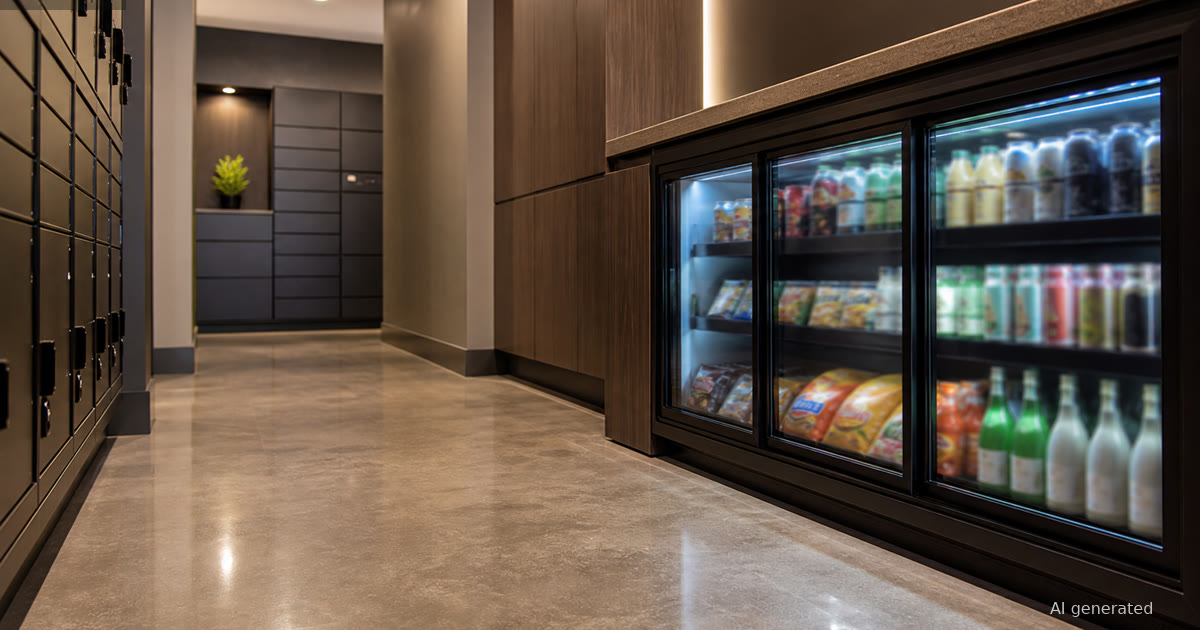
A locked smart vending machine may work well where security, product control, and small footprint matter. A smart fridge may fit better where fresh grab-and-go items make sense and the location can support the operating model. A compact market can work in larger common areas where people have space to browse.
NAMA’s newer census language points to that same direction: operators increasingly view formats as complementary tools, not separate little kingdoms. That is the buyer takeaway. A host should not be forced into one default setup because it is what the provider prefers to sell.
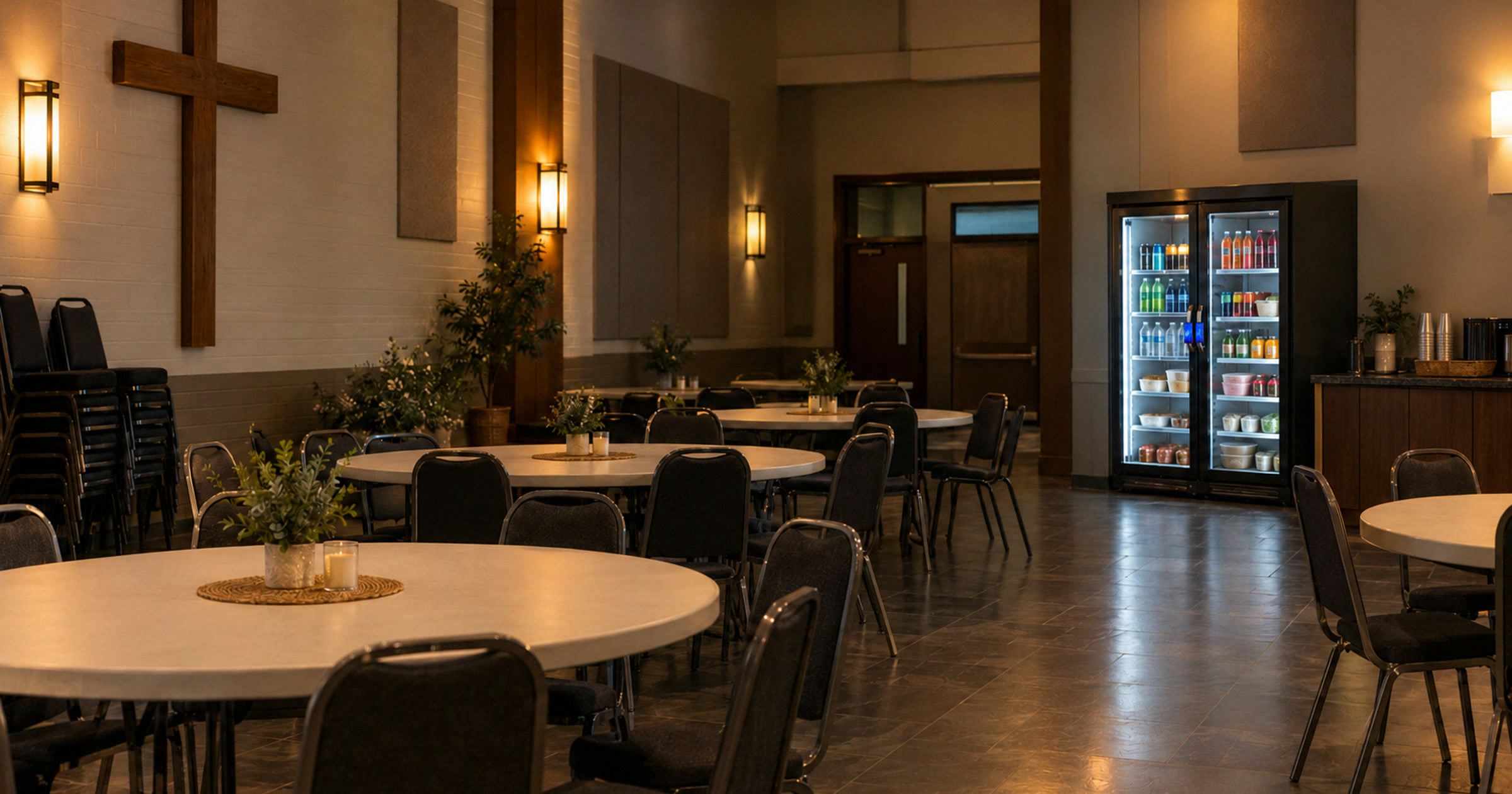
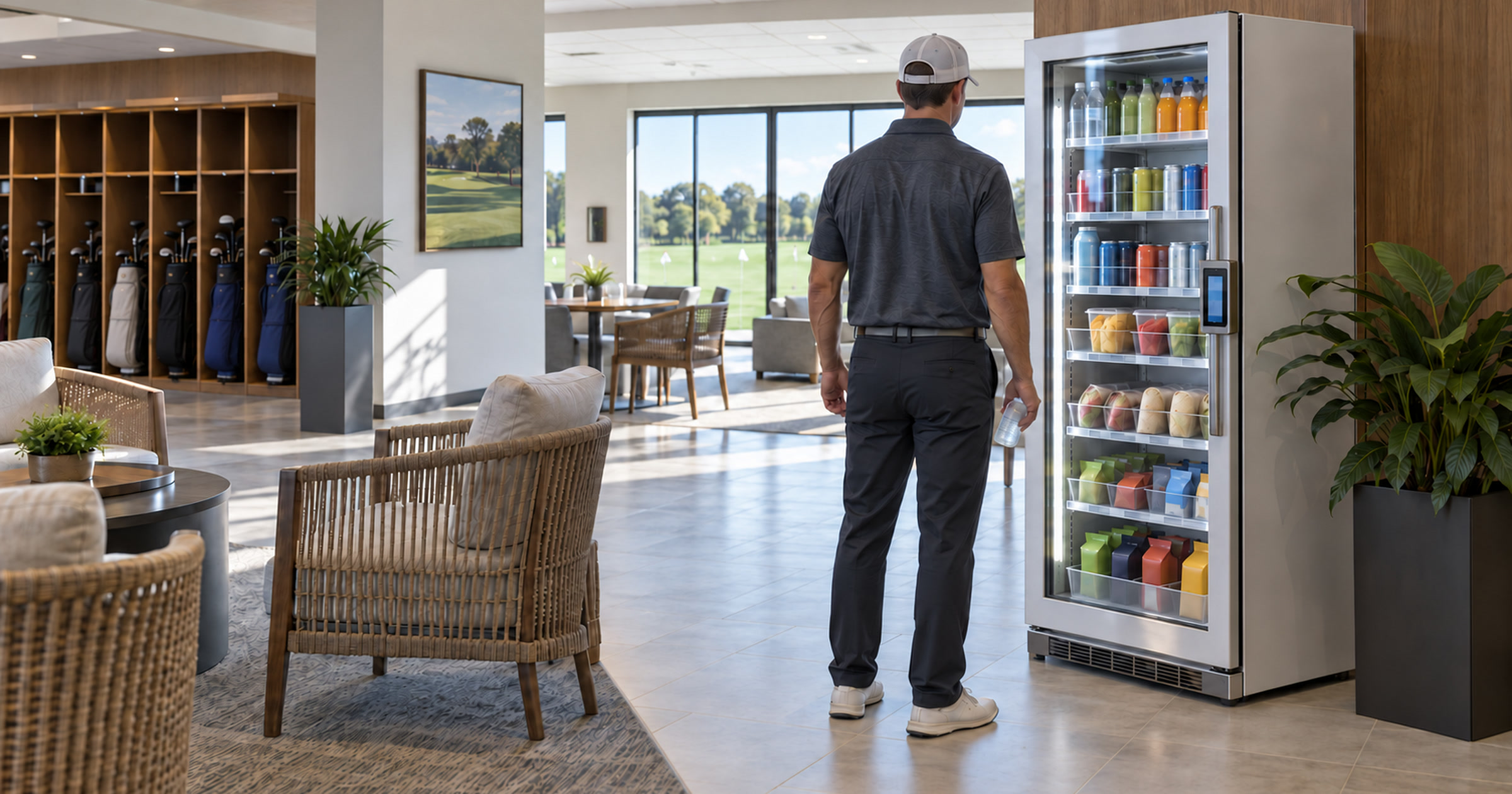
For example, a hotel might need a small, polished grab-and-go point near a lobby or guest corridor. A warehouse might need shift-friendly access near the breakroom. An apartment property might need a compact option in a package-room traffic path, where residents already pass through. Same family of solutions. Different buying logic.
Revvolto’s role is to help the host sort that out before the machine arrives. Site fit, traffic pattern, product mix, payment needs, and service access all matter more than chasing whatever format has the best buzzword this month.
Trend 2: cashless payment is now part of the planning conversation
Cashless vending is not a fancy add-on anymore. For many buyers, it is table stakes.
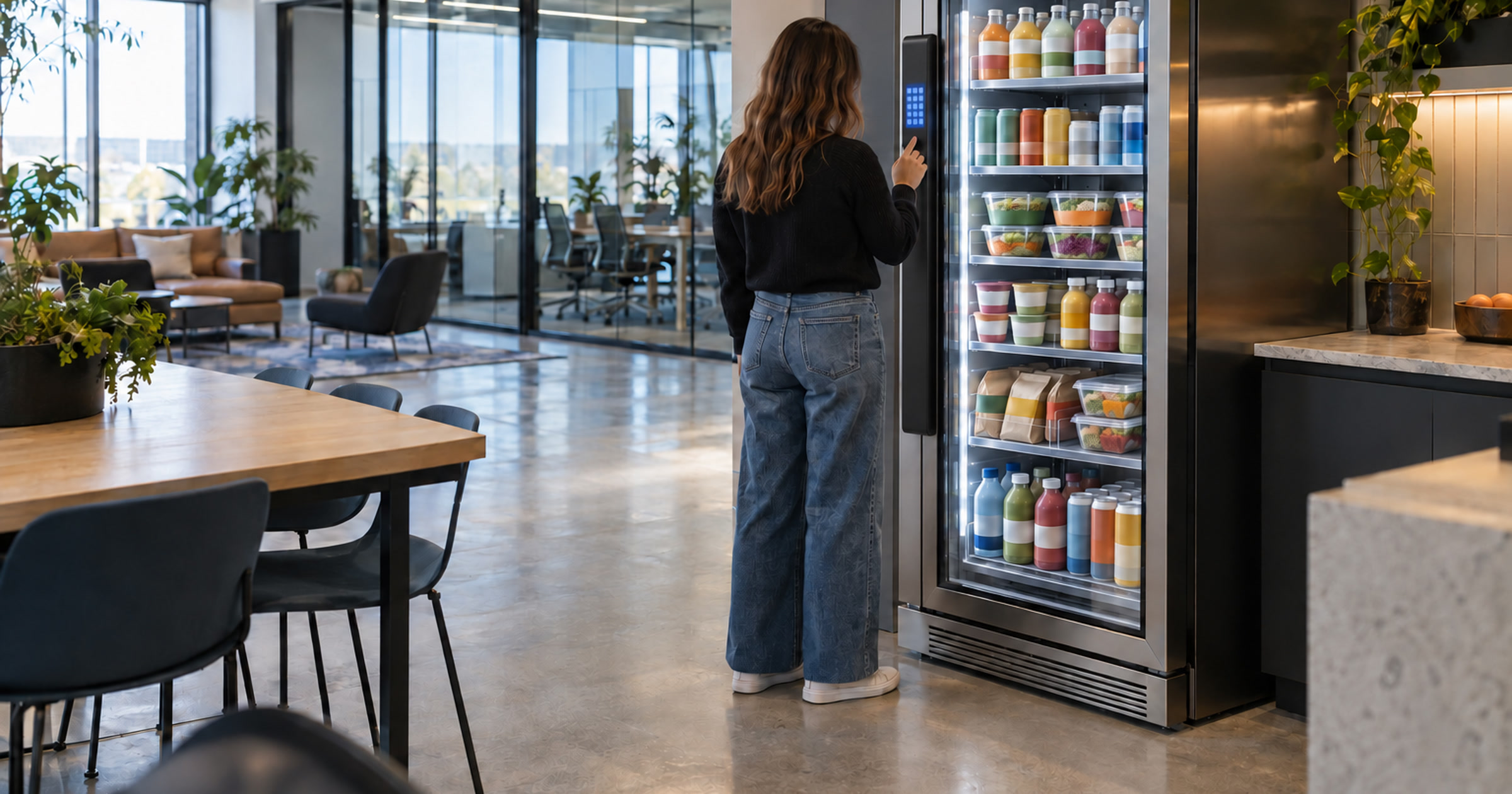
That does not mean every host needs to become a payments expert. It does mean payment support belongs in the buying conversation before launch. Who supports tap-to-pay issues? Who handles refunds or failed transactions? Who monitors whether the payment experience is frustrating people? Who owns the answer when a customer says the machine charged them but did not vend?
The PCI Security Standards Council’s merchant guidance is a useful reminder here: payment systems involve more than the visible terminal. Devices, processors, connected systems, and service providers all affect how card data is handled. That is not a claim that a vending provider or host is PCI compliant. It is a reminder that payment support has real operational edges.
For the host, the practical version is simple. Ask whether the vending setup supports modern cashless use, who owns payment support, and how issues get routed. A cashless machine that nobody wants to support is not modern. It is just a shinier complaint generator.
Revvolto’s positioning is hands-on here: modern vending should reduce host workload. Payment tech should help people buy quickly without turning the front desk, office manager, property team, or shift lead into support.
Trend 3: product mix is becoming more site-specific
The old vending assumption was blunt: put in a machine, stock familiar snacks and drinks, restock when it gets low.
That is not good enough for many host sites now.
A gym may need hydration and protein-forward options. A clinic staff breakroom may need quick, low-disruption access during long shifts. A hotel may need late-arrival snacks and drinks. A dealership lounge may need customer-friendly options for people waiting on service. A warehouse may need products that make sense for shift timing and limited off-site access.
The trend is not “healthier snacks” as a lazy blanket claim. That gets legally messy fast and usually says nothing useful. The better trend is product-market fit at the site level: what people actually reach for, what sells too fast, what sits, and what should change after the first few service cycles.
NAMA’s 2024-25 release notes operator interest in healthier assortments, but Revvolto should treat that carefully. Buyer preference can guide assortment. Revvolto should not make health, nutrition, performance, or medical claims about stocked products.
This is where smart vending and good service should work together. Purchase and inventory behavior can help refine assortment over time. The machine reports signals. The operator interprets them. The host should not have to become a snack analyst because the product mix missed the mark.
Trend 4: service data matters more than dashboard theater
Dashboards can be useful. They can also become decoration.
The host does not need a beautiful chart if the machine is still empty at the wrong time, stocked with the wrong mix, or creating small support headaches. The practical value of vending data is whether it helps the operator make better decisions: restock sooner, change the mix, adjust placement, troubleshoot payment issues, or notice repeated problems.
This is where the AI-powered vending conversation needs discipline. It is fine to say smart systems can report inventory behavior, purchase patterns, or service signals when those capabilities are actually in place. It is not fine to say the machine “knows” what people want or guarantees fewer outages.
A useful buyer question is: what happens after the data appears? If nobody reviews it, acts on it, or explains the adjustment, the dashboard is theater. Pretty theater, maybe. Still theater.
For a host, the trend to watch is service ownership. Who looks at the signals? Who changes the plan? Who communicates when the assortment changes? Who handles the little problems before they become a reason people stop using the amenity?
That is the line between modern vending and a modern-looking machine with old-school support behind it.
What this means for a business choosing vending now
Do not buy the trend. Buy the operating model.
A good vending machine, AI-powered vending machine, smart fridge, or compact market setup should fit the site, support modern payment behavior, adapt the product mix, and come with clear service ownership. If it does not, the technology will not save the experience.
The host’s question should be practical: can this provider place the right format, keep it stocked on a regular cadence, support payment issues, adjust the product mix, and keep the amenity from becoming someone else’s side job?
That is where Revvolto is built to be useful. For qualified host sites, Revvolto provides modern cashless vending, smart vending, and smart fridge options that are stocked, restocked, serviced, and maintained by our team, typically at no cost to the host.
If your business is weighing vending machine trends and trying to separate useful modernization from shiny nonsense, start with the site. Revvolto can help review the placement, format, product mix, and service model before you commit to a setup that looks good in a deck but annoys people in real life.
Talk with Revvolto about the right vending setup for your site.