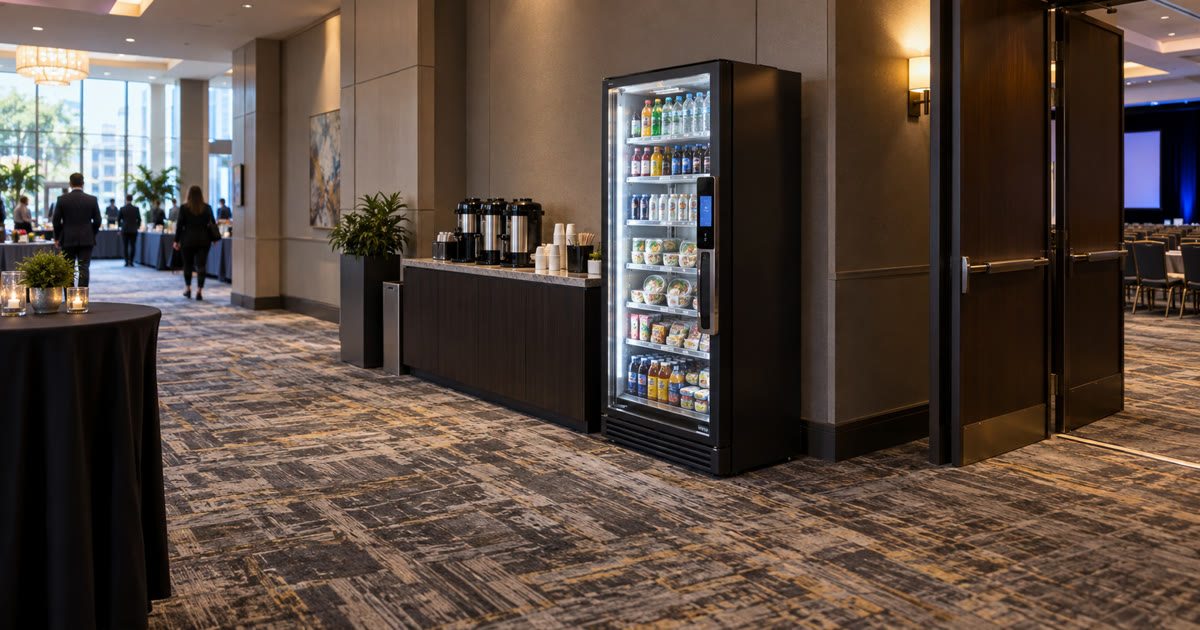
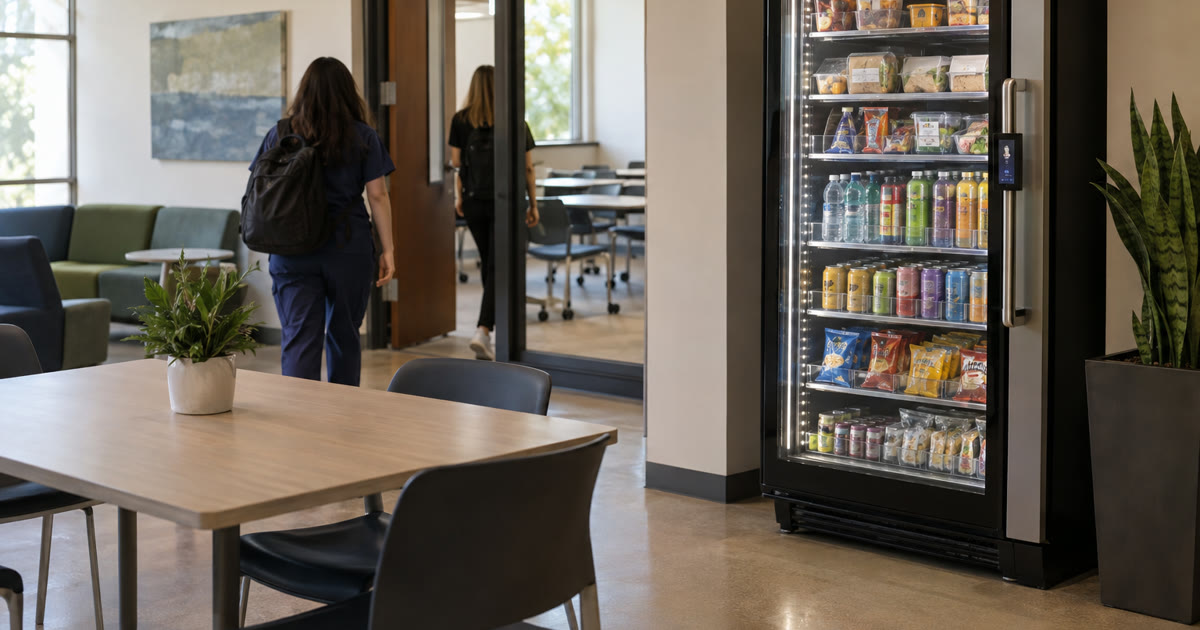
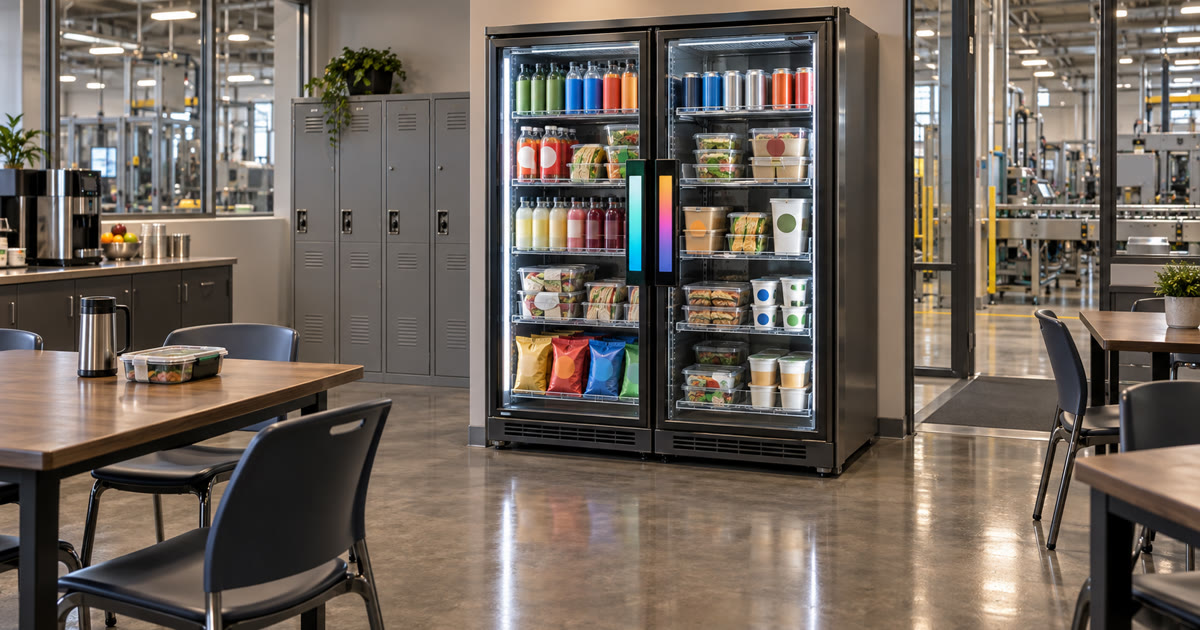
Remote monitoring for vending machines sounds more complicated than it should. The useful version is simple: the operator gets better signals about stock, service needs, and machine activity before the host has to chase someone down.
That does not mean the machine magically knows what everyone wants. It does not mean the host gets a spy-grade dashboard. It means a modern vending machine, smart vending machine, or smart fridge can support a better service loop when the operator uses the data well.
For a business, property, clinic, hotel, gym, or warehouse, the question is not “Does it have technology?” Plenty of bad service has technology attached to it. The better question is: what changes after the machine starts reporting useful information?
Remote monitoring should reduce avoidable surprises
The most practical job of remote monitoring is catching small issues before they turn into host complaints.
A traditional vending setup often depends on scheduled visits, visible empty rows, and people reporting problems. That can work, but it leaves gaps. If a popular drink moves faster than expected, the operator may not know until the next visit. If a cooler needs attention, the signal may arrive only after someone notices. If a payment issue keeps repeating, the host might become the complaint desk.
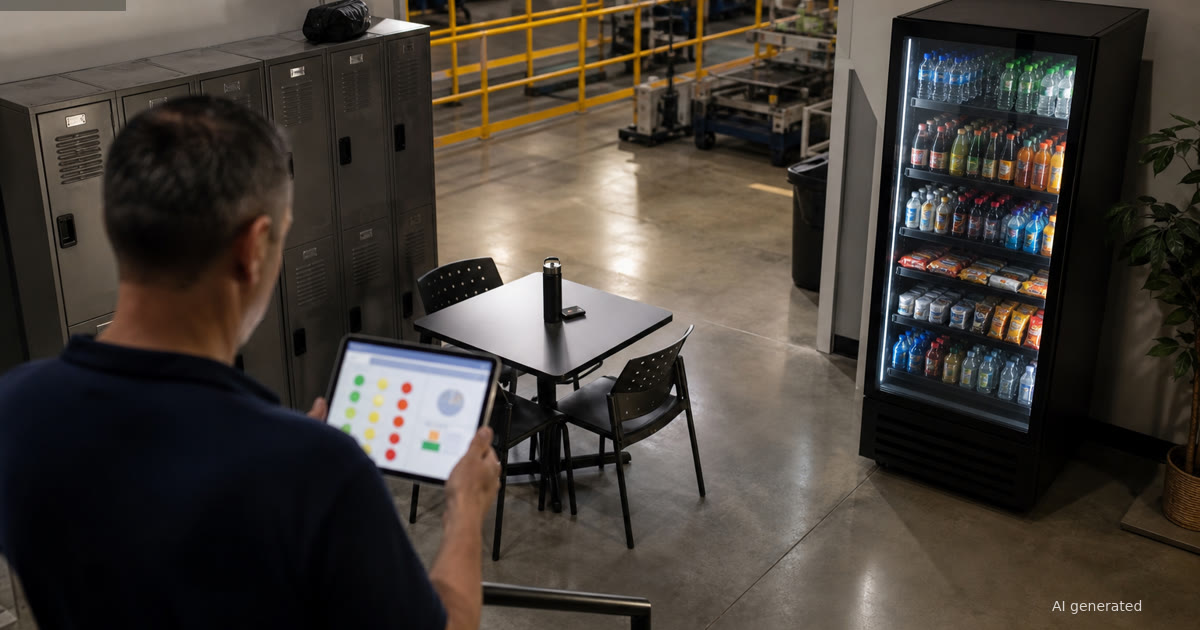
Remote monitoring can help operators see patterns sooner. Inventory signals can show which items are running low. Machine status alerts can flag service needs. Payment or transaction reporting can help spot repeated friction. None of that replaces real service. It gives the service team a cleaner starting point.
Think about a warehouse breakroom during shift changes. If the same cold drinks disappear quickly every week, the operator should not need three months of casual comments to figure it out. The system should help the operator adjust the next restock plan.
That is the bar: fewer avoidable surprises, faster operator follow-up, and less host babysitting.
Smart vending data is only useful if someone acts on it
Data does not restock a machine. People do.
This is where buyers should be blunt with any vending provider. Ask who reviews the data, how often they look at it, and what changes when the numbers show a pattern. A dashboard that nobody checks is just a very expensive screensaver.
Good monitoring should support practical decisions:
- which products need more space
- which items are sitting too long
- whether the restock cadence fits the site
- whether the payment flow is creating repeat support issues
- whether the machine is being used at the times the host expected
There is a difference between reporting and service ownership. Reporting says, “Here is what happened.” Service ownership says, “Here is what we are changing because of it.”
Revvolto already treats product mix and the first restock review as service questions, not one-time setup chores. The same thinking applies here. Remote monitoring should help the operator improve the machine after launch, not hand the host a pile of numbers and call it innovation.
Hosts should ask what they can see and what they do not need to see
Most hosts do not need a vending command center.
A facilities manager, property manager, or operator usually wants a clear answer to a few grounded questions: Is the machine being serviced? Are common issues being handled? Is the product mix being reviewed? If something breaks, who owns the fix?
The host may not need item-by-item reporting every morning. In many cases, that would only create another thing to ignore. A cleaner model is regular operator review, simple communication, and a clear escalation path when something is off.
Security and payment language matters too. Connected equipment and payment systems bring responsibilities that should not be turned into marketing fog. NIST publishes guidance for IoT cybersecurity programs, and the PCI Security Standards Council offers merchant resources for protecting payment data. Those sources do not certify any specific Revvolto setup. They are useful reminders that connected vending should be treated like real operational technology, not a toy with snacks inside.
If refrigerated food is part of the setup, food safety expectations also need to stay narrow and factual. FDA Food Code materials address retail and vending food safety models, but site rules and equipment responsibilities depend on the actual setup and local requirements. Do not accept vague “smart fridge means safe” claims from anyone. Ask how temperature, stocking, service access, and issue response are handled.
The buying question is service, not gadget count
Remote monitoring should make vending feel easier for the host, not more technical.
The machine may be modern. The fridge may be connected. The dashboard may be useful. But the host’s real win is boring in the best way: fewer stock surprises, cleaner service handoffs, smarter product changes, and less internal work.
That is why the strongest technology conversation is also a service conversation. Who handles restocking? Who watches slow-moving products? Who responds when a machine needs attention? Who explains what changed after the first month?
If a provider can answer those questions plainly, the technology probably has a job. If the answer is mostly buzzwords, keep walking.
If you are looking at vending machines, smart vending, or smart fridges for your site, talk with Revvolto. We can look at the space, traffic pattern, service access, and product fit, then recommend a setup that is useful after launch, not just shiny on install day.