A vending machine restocking service sounds simple until your team becomes the backup plan.
Someone notices the cooler is low. Someone hears the same product request three times in a week. Someone has to explain why the machine looks forgotten. That is not a modern amenity. That is a chore wearing a glass door.
For a business buyer, the important question is not only what machine goes in. It is what happens after the install, when the setup has to stay useful without turning your team into the vending department.
Revvolto’s role is to keep that ownership off your plate in qualified locations. We handle stocking, restocking, and service. Cashless payment support stays part of the operating plan instead of becoming your troubleshooting hobby. The site still matters. The traffic still matters. But the day-to-day vending work should not quietly land on your front desk or operations team.
What a vending machine restocking service should own
A good vending machine restocking service owns more than filling empty rows.
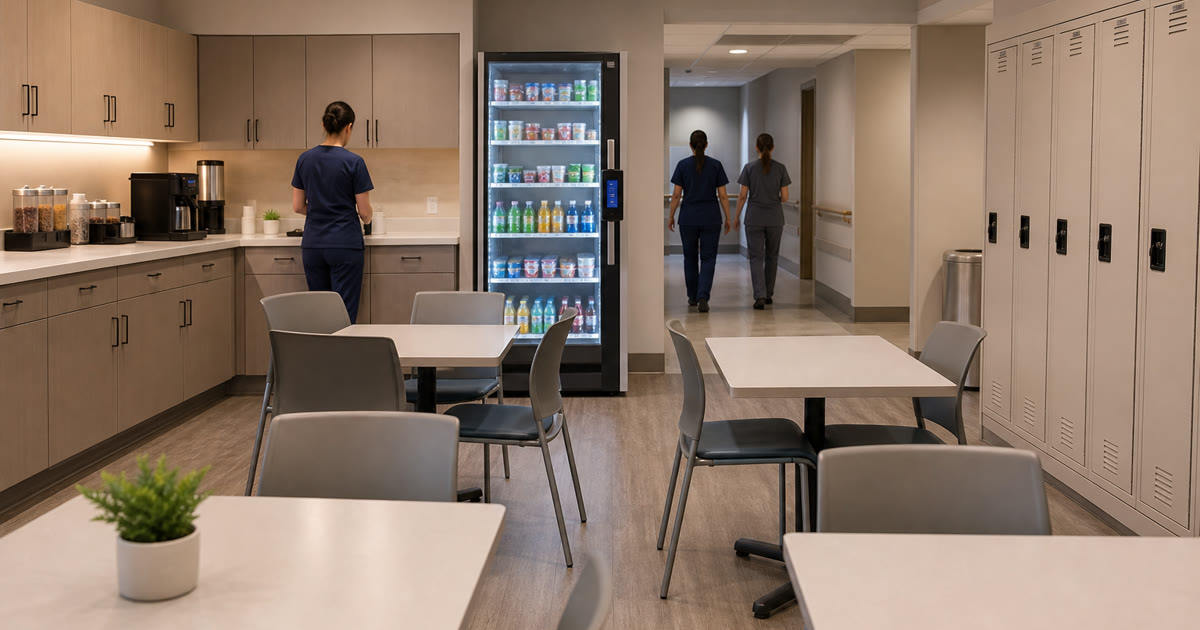
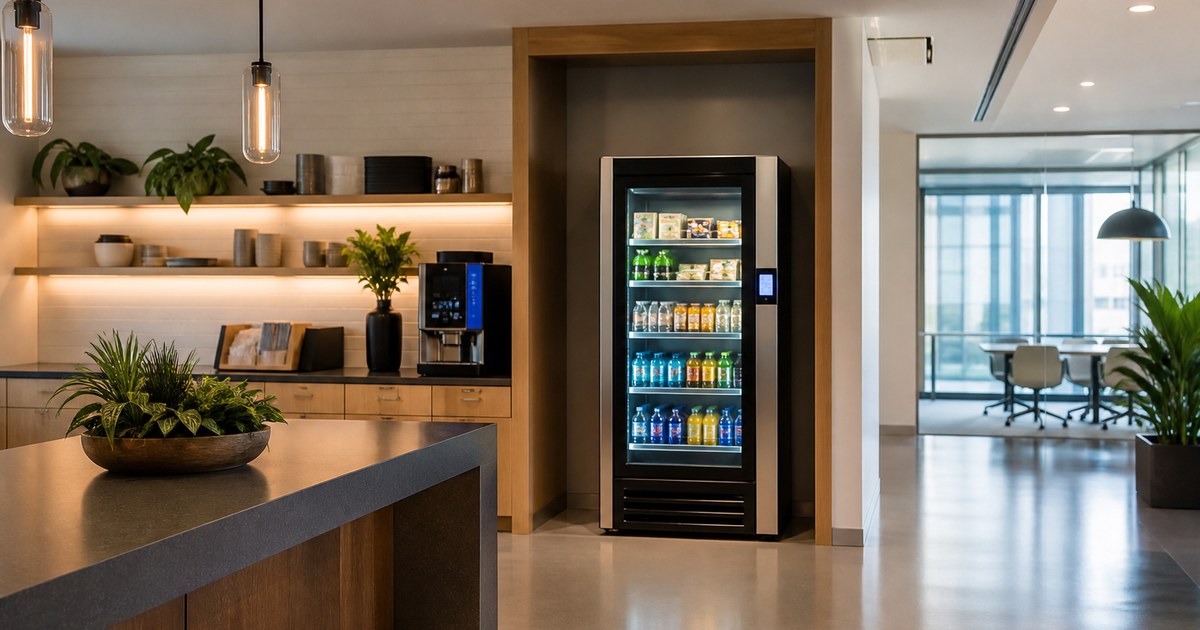
It should look at what is moving, what is sitting, and what the location actually needs next. A cooler in a staff breakroom does not behave like a cooler near a tenant lounge. A smart vending setup in a hotel pantry has a different use pattern than one beside a manufacturing shift entrance.
The point is not to make the buyer manage every detail. The point is to remove the small recurring tasks that make vending feel heavier than it should.
That means stocking and restocking are only part of the job. The service plan should also cover product mix changes and basic upkeep. It should answer the practical question buyers forget to ask: who notices when the setup is slowly becoming less useful?
If the answer is “your team,” the amenity is not fully managed. It is partially outsourced and partially dumped back on you.
The restock path matters before the first product goes in
Restocking starts with placement.
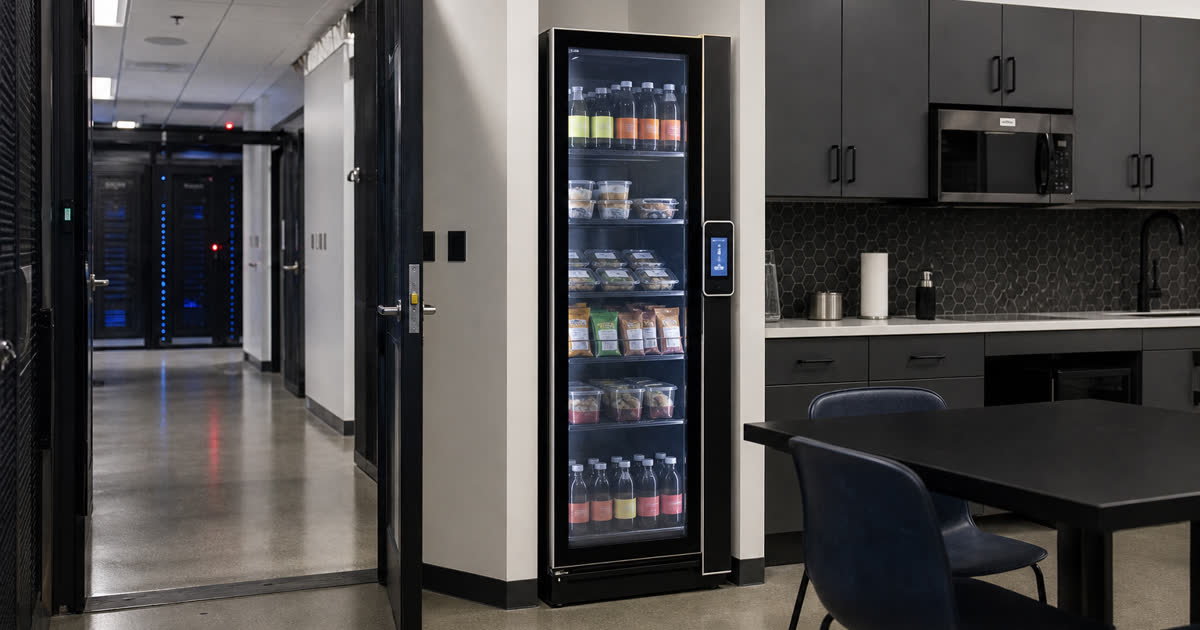
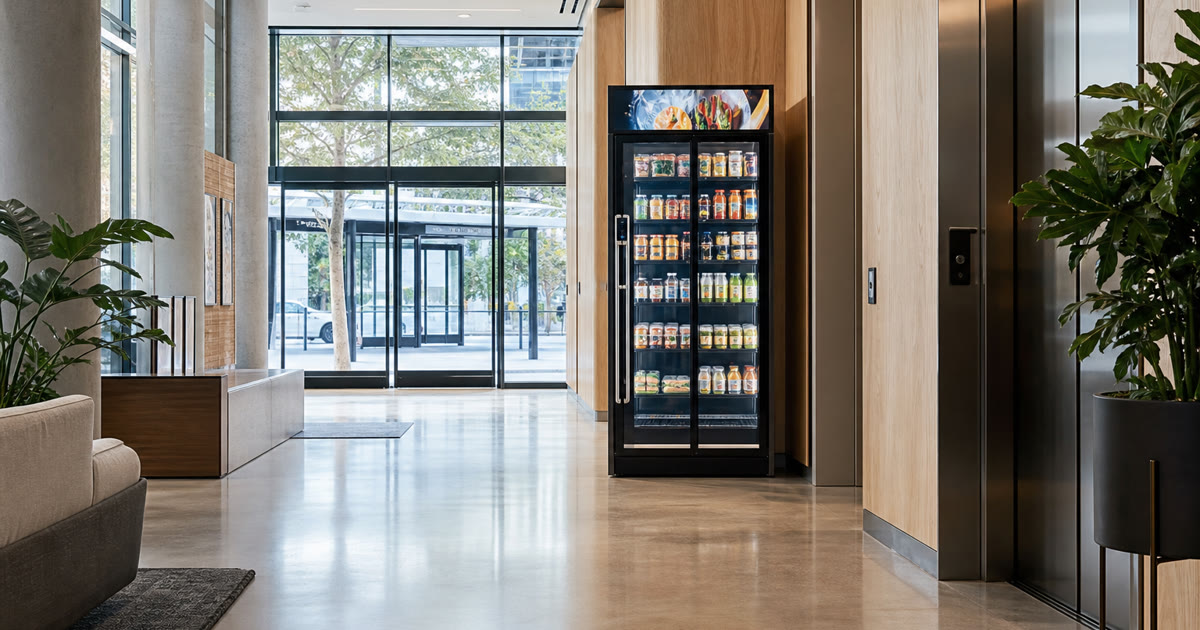
A smart vending machine or smart cooler needs to sit where people will use it, but it also needs to be reachable for service. That sounds obvious until the best-looking wall turns out to be the worst working location.
Can someone refill the unit without blocking a hallway? Can the door open cleanly? Is there enough room to work without turning a breakroom or lobby into an obstacle course? Will the machine be easy to reach during the times service actually happens?
These are not design niceties. They decide whether the setup stays clean, stocked, and easy to live with.
A tight corner can look fine in a photo. A narrow path can look harmless before the machine arrives. Then the service visit happens, the door swing fights the room, and everyone pretends this was impossible to predict.
It was not. The placement review should catch it.
Product mix should change with real use
The first product mix is a starting point, not a sacred document.
People vote with purchases. If cold drinks move faster than snacks, the setup should reflect that. If a staff area uses breakfast items early and drinks later, the product mix should not ignore the day. If a premium lobby needs a cleaner, tighter assortment, the unit should not look like a random convenience-store shelf wandered inside.
Smart vending helps here because purchase data can support better restock decisions over time. The machine does not magically know what people want. That language is lazy. It gives the operator better signals so the next visit is smarter than the last one.
That is the difference between a vending setup that gets installed and a vending setup that keeps earning its space.
For your team, the best version is quiet. People use it. The unit gets serviced. Product mix changes when the pattern is clear. Nobody has to send three reminder texts about the same empty row.
The buyer test after install
Here is the test I would use before signing off on any managed vending plan.
After the machine is installed, what will your team still have to do?
If the answer is “tell people how to pay,” the payment experience needs work. If the answer is “track what ran out,” the restock plan is weak. If the answer is “clean up support issues,” the service ownership is fuzzy. If the answer is “basically manage the whole thing,” you did not buy convenience. You bought a recurring errand.
A stronger plan is boring in the best way. The unit fits the room. The service path works. Products match the audience. Payment feels normal. Restocking happens on a clear cadence, with adjustments when the location’s usage says something useful.
That is the standard Revvolto is built around for qualified locations: modern smart vending and smart fridge access with restocking, payment tech, and maintenance handled by us.
If you are looking at vending for a workplace or property, ask about the service visit before you fall in love with the machine. The restock plan is where the amenity either becomes easy or starts asking your team for favors. That is the piece worth checking before the install photo looks pretty.
Want a vending setup that stays useful after install? Tell us about the location. We will look at the room, the service path, and the likely restock rhythm before anyone pretends the machine alone solves the problem.