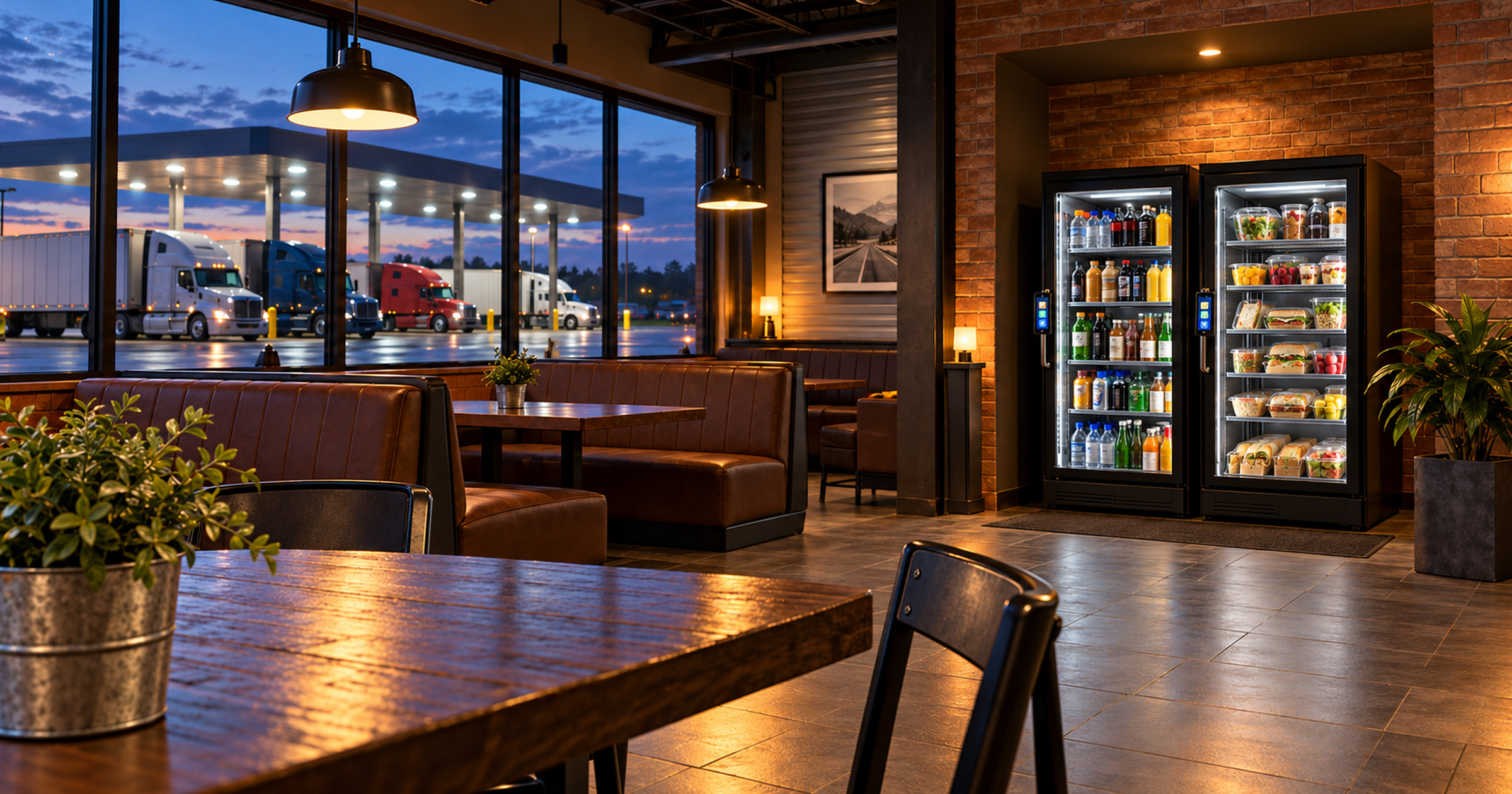
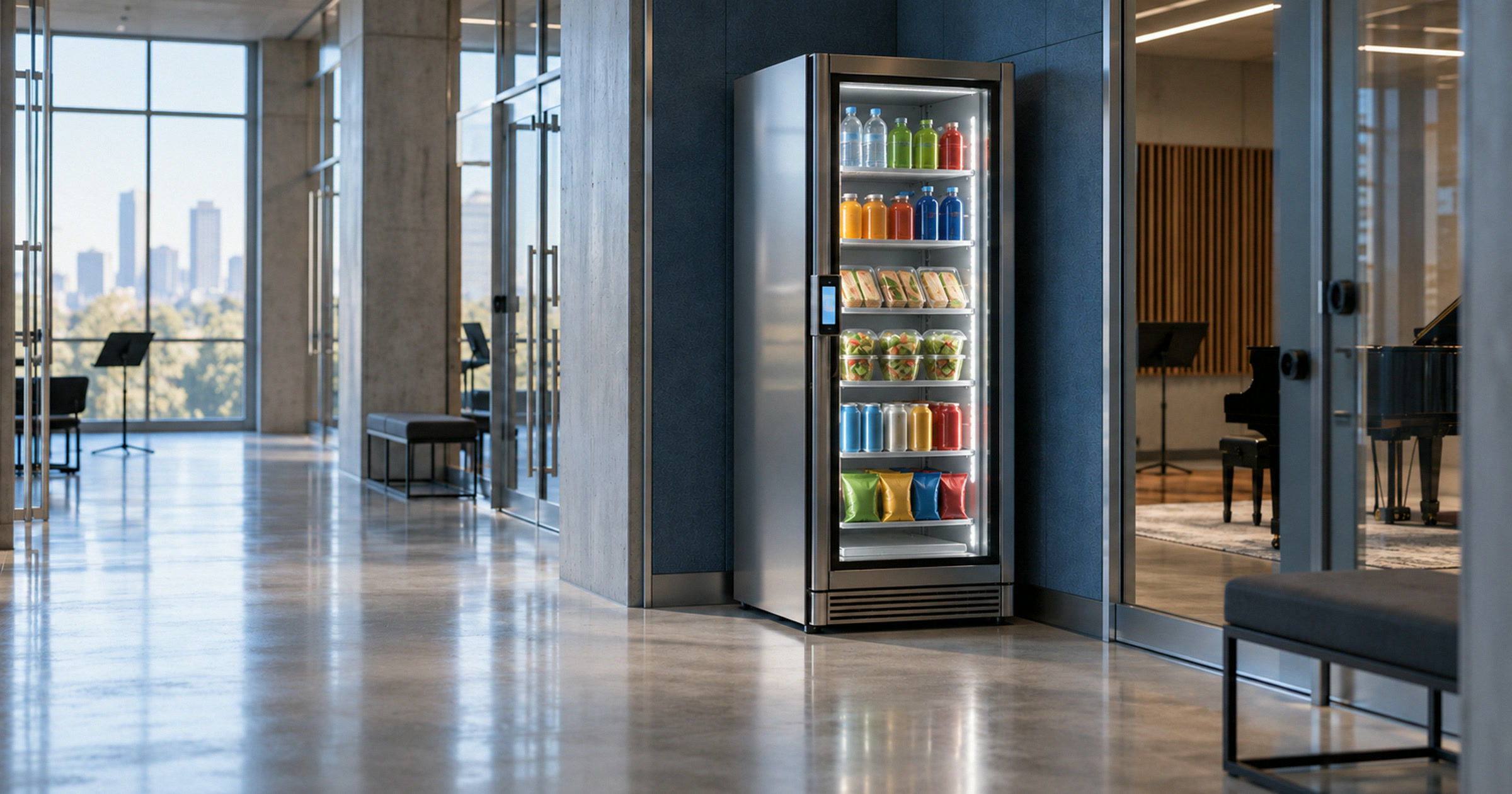
A new apartment property has a short window when everyday habits are still taking shape. Residents are learning which entrance they use, where packages land, and whether the lounge is part of daily life or just a nice room in the leasing tour. That is the right time to test whether smart fridge apartment amenities belong in the building.
KVUE reported on October 15 that Millie at The Hangar expects its first residents in mid-to-late November. The larger North Central Austin development is planned for 464 apartments across two phases. Revvolto has no connection to the property, developer, or publisher. The project is a useful local example because move-in is when a property team can observe real behavior before locking an amenity into the wrong room.
The point is not that every community should add a managed cooler. A building gets better answers when it tests the idea against resident movement, operating work, and actual demand.
Move-in changes how the building really works
A floor plan predicts movement. Occupancy reveals it.
The main lobby may look like the obvious amenity location, but residents might use a garage entrance more often. A package room can attract steady traffic, while a large lounge stays quiet outside scheduled events. Evening patterns can differ from daytime tours. Those differences matter more than the empty wall that happens to fit a machine.
Watch the building before choosing a spot. Look for a place residents already pass while returning home or collecting deliveries. Then check whether the unit would narrow circulation or crowd another task. If the only viable location creates a pinch point, the building does not have a good vending location yet.
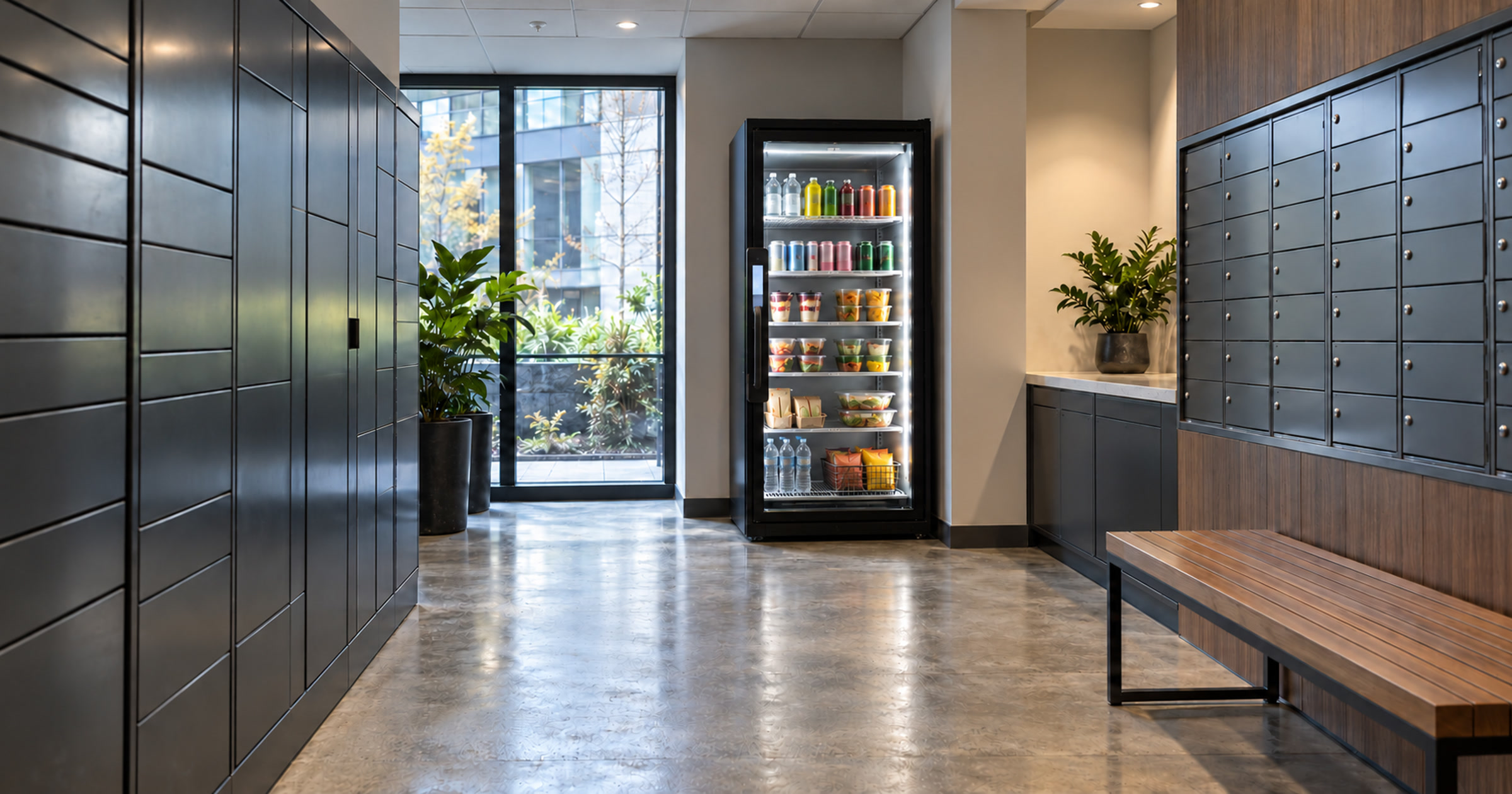
The equipment also has to fit the tone of the property. It should feel like part of the amenity plan, not an appliance parked beside leftover furniture. The finish and sightline matter as much as the stocked appearance. A clean setup can work in a package-room vestibule or resident lounge. A poorly placed unit makes both rooms feel cheaper.
The practical rule is simple: follow real movement, not leasing-brochure movement.
Put the operating work on paper first
The resident sees a stocked glass-front unit. The management team sees everything behind it.
Someone must monitor inventory and refill products. Equipment upkeep and payment questions also require an owner. If those responsibilities are vague, they usually drift toward leasing or maintenance staff. That is a bad trade. An amenity should add convenience for residents without adding a small retail job to the front desk.
Revvolto handles stocking, payment technology, and equipment service for qualified locations. We use purchase activity to adjust the assortment instead of asking on-site staff to guess forever. Site fit still depends on traffic and the room. A managed model does not turn a weak location into a strong one.
Service access deserves the same attention as resident visibility. The refill route should be direct enough that regular visits do not interrupt a tour, block the package room, or cut through a private resident area. The door needs space to open fully. Power and connectivity have to be dependable. These details are not glamorous. They decide whether the amenity stays orderly six months later.
Start with a disciplined product mix
A new building does not have purchase history yet, so the first assortment should be conservative.
Packaged drinks and familiar snacks are easier to evaluate than a crowded mix built around assumptions. Refrigerated options can make sense when turnover supports them. The first goal is not to impress people with variety. It is to learn what residents actually buy while keeping the unit clean and easy to shop.
That learning period needs an owner. Review what moves and remove what does not. Adjust the balance as occupancy grows. A building that opens in phases may change again as more residents arrive and common spaces settle into their real use.
Do not treat the first fill as a permanent menu. It is a starting hypothesis.
Technology should stay in its lane too. Cashless payment and inventory reporting are useful because they make the operation easier to manage. A complicated screen does not rescue poor placement or stale products. Residents notice whether the unit is convenient and stocked long before they care about the feature list.
Treat the first month as a placement test
Apartment operators usually get better answers from observation than from a conference-room debate.
Track which entrances residents use and when package pickup peaks. Notice whether the proposed space remains accessible during move-ins and deliveries. Ask whether the service route still works when the building is busy. If the machine would compete with move-in traffic, wait or choose another room.
The first month also shows whether the amenity has enough demand. A 24-hour building does not automatically create 24-hour buying activity. The residents still have to pass the unit and want what it carries. Traffic quality matters more than a broad promise about convenience.
This is where a local opening becomes a useful planning cue. The Hangar story is not a vending story. It is a reminder that new occupancy gives operators a rare chance to watch routines form in real time. That evidence is worth more than a polished rendering.
Our apartment vending guide covers the broader format decision. Our refrigerated vending placement guide looks more closely at room fit and operating access.
Choose the room that still works after move-in
The best unit location is the one residents naturally pass and the operator can refill cleanly. It should not depend on leasing staff selling the idea or residents making a special trip.
Move-in gives you the evidence to make that call. Watch the building. Test the route. Define ownership before equipment arrives. Then decide whether a managed unit solves a real gap.
If you are reviewing food and drink amenities for an Austin-area residential community, tell us about the location. We will help you assess traffic, room fit, and the operating plan.