CapMetro’s approved August service changes began on August 16. The public note is about rider movement and reliability. For Austin building teams, there is a smaller but practical takeaway hiding in plain sight: when movement patterns change, food access inside the building deserves another look too.
This is not about Revvolto being connected to CapMetro or the City of Austin. We are not. It is about using a local transit update as a reminder to check the places where people already pause.
A bus route does not have to stop at your front door to change how a property feels during the day. A route extension or a downtown construction detour can shift when people arrive and where they take quick breaks. If the only food option is a long walk or a snack shelf someone forgot to refill, the building is making a small daily problem harder than it needs to be.
Transit changes move the pause points
CapMetro says the August updates are meant to improve connections and better match current rider behavior. That sentence matters for property teams because building amenities only work when they match real behavior too.
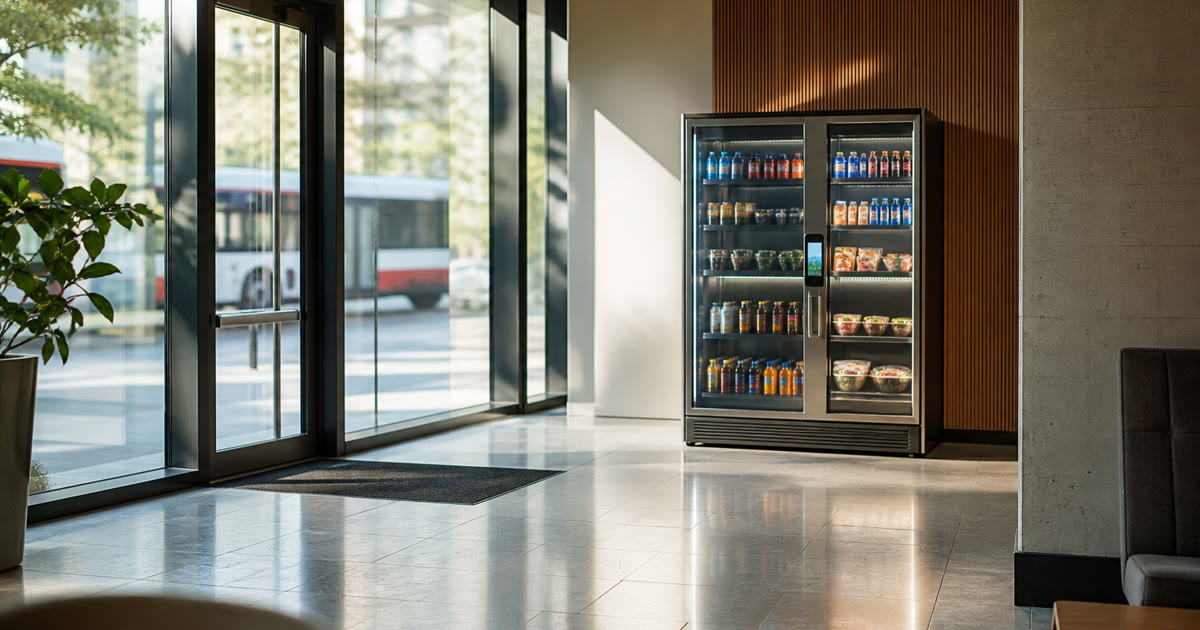
People do not use vending because a brochure says the building has an amenity. They use it because it sits near the route they already take. That might be a lobby path, a staff corridor, or the place people pass after stepping in from the street.
The wrong placement turns a useful smart cooler into furniture. The right placement catches the five minute window between arrival and the next task.
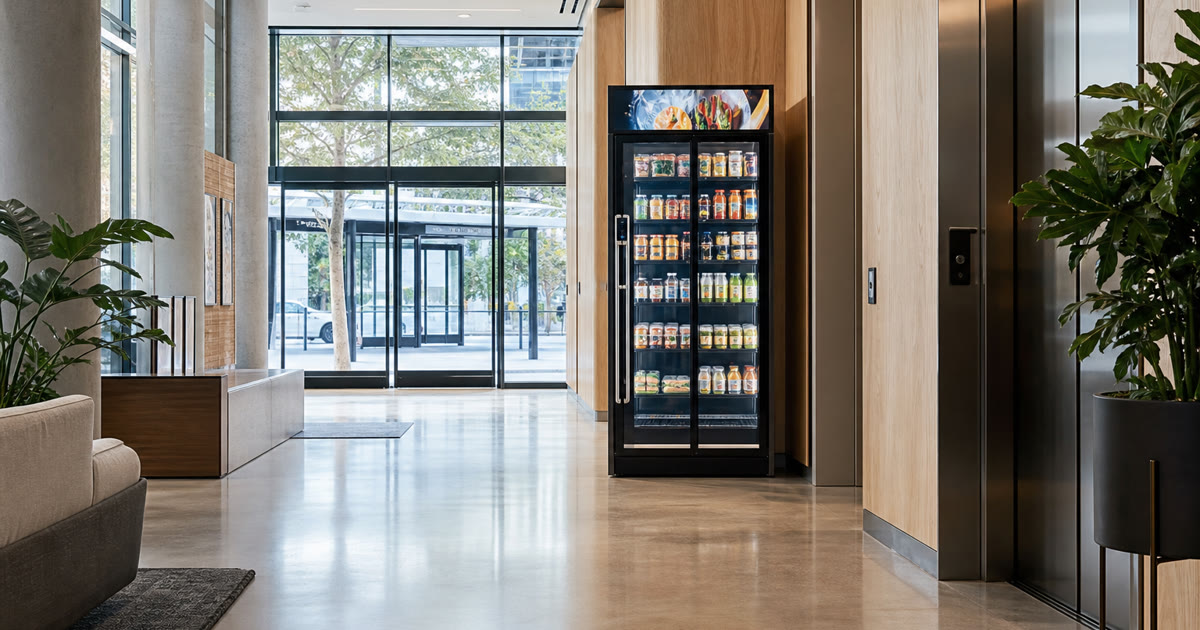
That five minute window is the whole game. If the unit is visible from the entry path, people remember it exists. If it is tucked behind a locked door or a dead-end hallway, the amenity becomes a line item nobody uses.
That is especially true around transit and commute changes. If more people are arriving from a different side of the property, the old breakroom math may be wrong. If a nearby route now connects more directly, the building may see different morning and afternoon peaks. If downtown construction changes where people exit, the normal snack run may disappear for a while.
None of this requires a grand redesign. It does require walking the actual path and asking a blunt question: where do people pause when they do not have time to leave?
Smart vending works best when the path is obvious
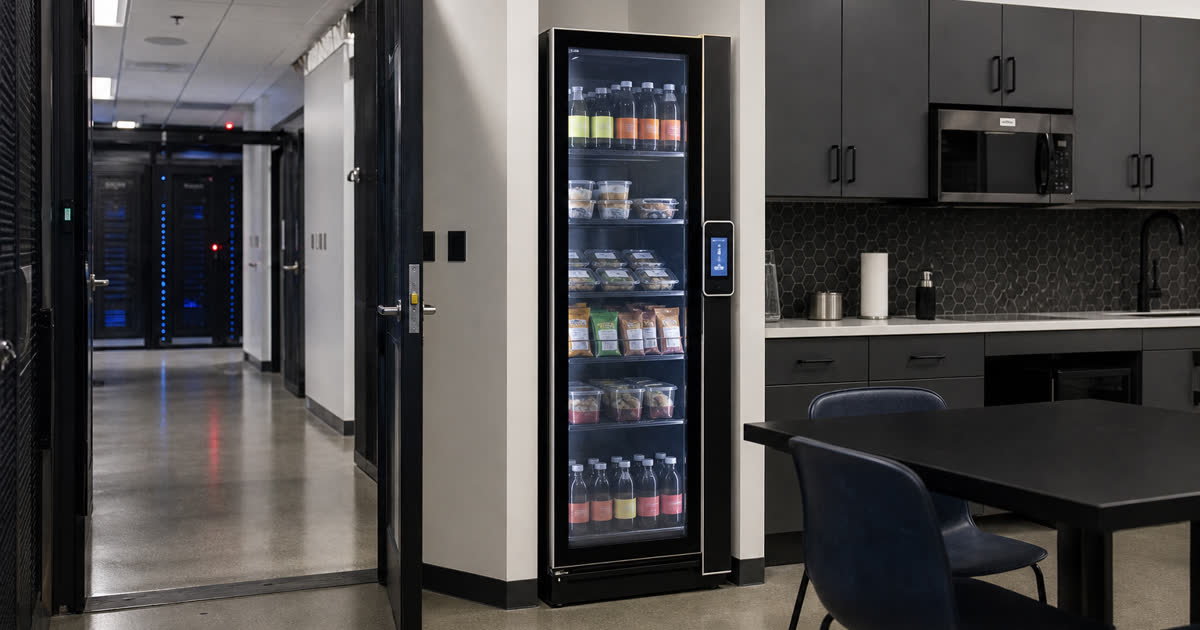
A smart vending cooler or smart fridge should be easy to find, easy to use, and easy to service. Miss one of those, and the amenity starts creating work.
Put the unit too far from the daily path and people ignore it. Put it too close to a door, elevator, or hallway pinch point and it gets in the way. Put it somewhere service teams cannot reach cleanly and every restock becomes a small disruption.
That is why transit-adjacent planning is really placement planning. The building team does not need to predict every rider behavior. It needs to understand the main movement path, the break window, and who owns support when something needs attention.
For Revvolto, the useful setup is practical. The unit is stocked and maintained by us. Payment is cashless. Product mix can be adjusted over time based on what people actually buy. For qualified locations, the model is typically at no cost to the business using the space.
The bigger point is simpler: the vending machine should help the day run better without asking your front desk, facilities lead, or office manager to become snack support.
Look at arrival, breaks, and service access
Use the local transit update as a reason to inspect the building from the sidewalk inward. Start where people enter. Watch where they slow down. Notice whether the nearest food option is on the path or out of the way.
Then check the boring stuff, because boring is where good placements are won.
Can the smart cooler be opened without blocking a door swing? Can someone grab a drink without crowding the lobby? Can restocking happen without dragging boxes through a customer-facing waiting area?
Those are not glamorous questions. They are the questions that decide whether the amenity keeps working after the first week.
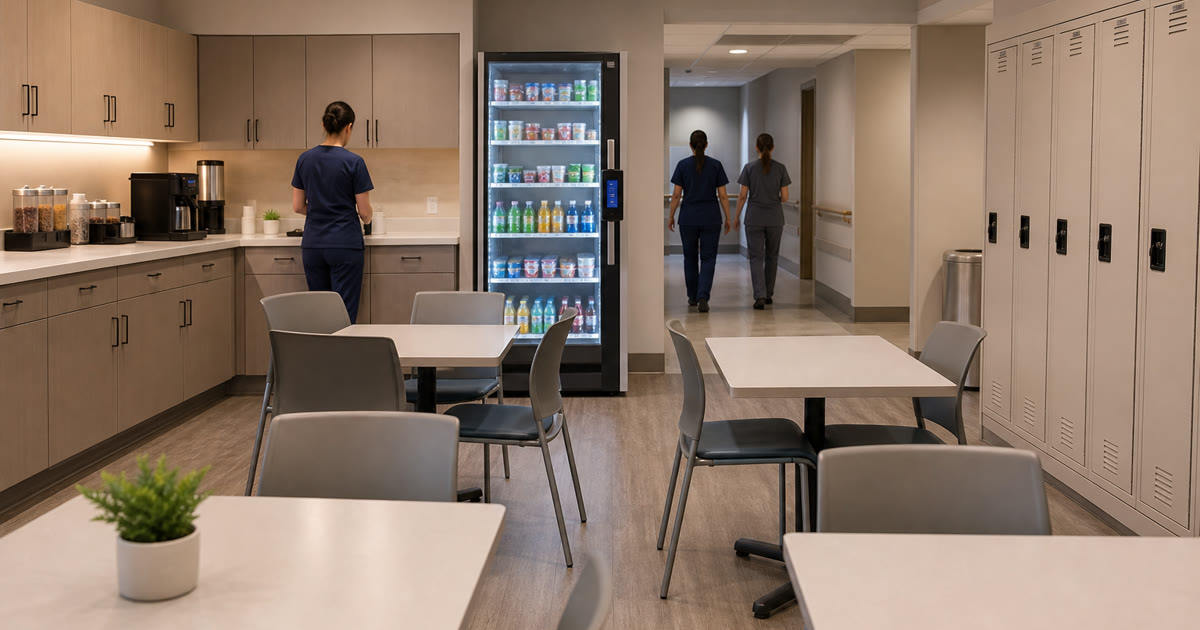
This applies beyond offices. Apartment communities, clinics, and mixed-use buildings all have pause points. The setting changes, but the buyer problem stays familiar: people need quick food and drink access without dumping more work on the team that already runs the place.
The local hook is a planning prompt, not a partnership claim
Local news can be useful without becoming name-dropping. CapMetro’s August service changes are public information. They are not a Revvolto partnership, customer story, or endorsement.
The planning lesson is fair game. Movement around Austin keeps changing. Buildings that serve real people should treat food access as part of that movement, not as an afterthought tacked onto a forgotten corner.
If a route change or service detour changes how people move near your building, check the food path before the complaint shows up. A modern smart vending cooler will not fix bad placement. But in the right spot, with service handled by the operator, it can remove one small daily friction point.
If you want to look at whether smart vending or a smart fridge fits your location, tell us about the building at revvolto.com/contact-us.