Vending machine cost is usually framed as a price question. That is too narrow.
A business owner or property manager does not just need to know whether a machine can be placed in the building. You need to know who owns the work after it shows up: stocking, service, and the awkward moments when the location is not actually a fit.
That is why qualified placement matters. It keeps the conversation honest before anyone gets excited about an empty wall.
What vending machine cost really includes
The visible cost is the machine. The less visible cost is the responsibility around it.
If your team buys equipment or patches together a snack setup, the work lands somewhere. Someone has to check inventory. Someone has to handle stale products. Someone has to answer payment questions. Someone has to decide whether the setup belongs near the lounge or the breakroom.
A no-upfront-cost placement can be a better fit when the location has enough daily use and the operator owns the ongoing work. But the phrase only helps if the qualification is clear. A machine is not a good fit because there is power nearby. It is a good fit when the audience, traffic path, and service access all make sense.
The Federal Trade Commission’s business advertising guidance is a useful guardrail here: business claims should be truthful, not deceptive, and evidence-based. That does not prove any vending deal by itself. It does explain why careful wording matters when anyone talks about cost, value, or no-cost placement.
Ask what qualified means before you compare options
Qualified placement is not a magic phrase. It is a site-fit test.
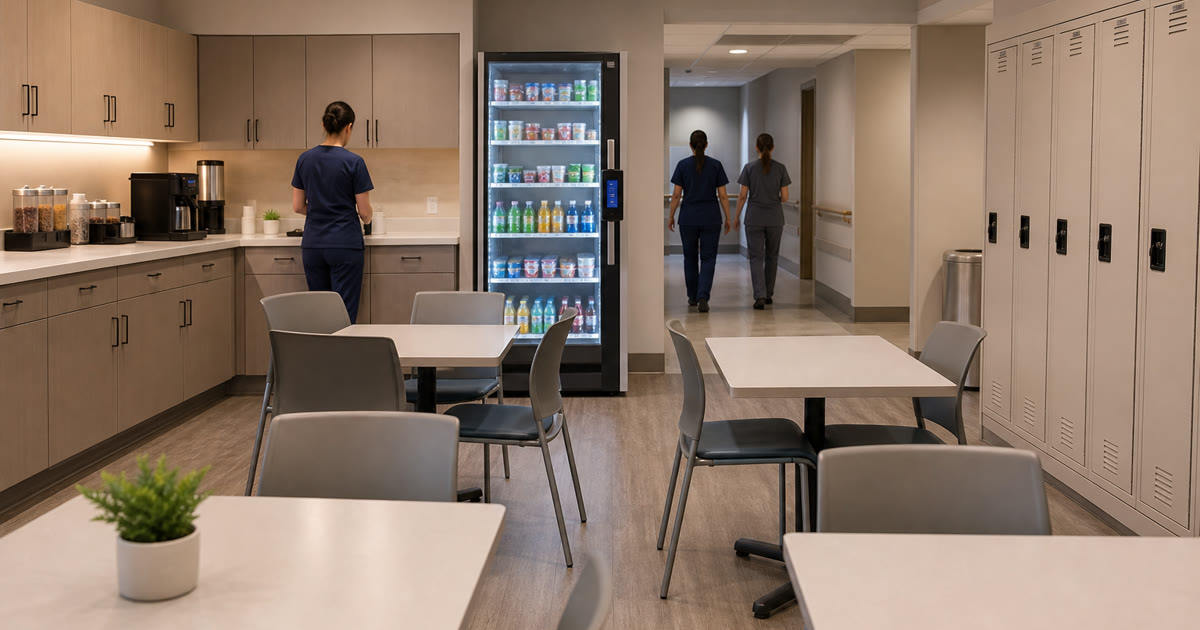
A qualified location usually has steady foot traffic, a clear audience, and a practical path for restocking and service. That may be an office breakroom, a hotel pantry nook, or a dealership lounge. It may not be a quiet hallway people ignore.
The cleanest buying question is simple: what would make this location worth serving well?
That answer should include more than headcount. A building can have plenty of people and still have a terrible vending spot. If the machine sits out of the natural path, people miss it. If service access is awkward, restocking gets harder. If the product mix is too broad, the operator has to guess instead of learning from actual use.
At Revvolto, we would rather have the honest fit conversation early. If the location is right, we can usually make the model simple for the business. If it is not right, forcing a machine into the room helps nobody.
Separate price from workload
The cheapest option on paper can become the most annoying option in practice.
Self-managed snacks look easy until your team becomes the inventory department. A basic machine can look affordable until service problems start eating attention. A bigger setup can look impressive until the room does not support it.
That is why you should separate three questions before you compare proposals.
Who pays upfront? Who manages the work? Who answers when something breaks?
Those are not the same question. A vending setup can have low upfront cost and still be a bad deal if your staff owns every small problem. It can also cost more than expected if the equipment, payment flow, and service cadence are treated as separate decisions instead of one operating model.
For cashless machines, payment support deserves its own line of questioning. The PCI Security Standards Council explains that different PCI standards apply to different payment stakeholders and functions. That is a scope reminder, not a claim that every vending setup is automatically compliant. Your practical takeaway is smaller: ask who supports the payment device, who handles failed transactions, and who owns the escalation path.
Look for the service model, not the sales pitch
Good vending economics are boring in the right way.
The machine fits the space. The products match the audience. The operator can reach it without disrupting the building. The payment flow is normal for the people using it. Restocking has a plan.
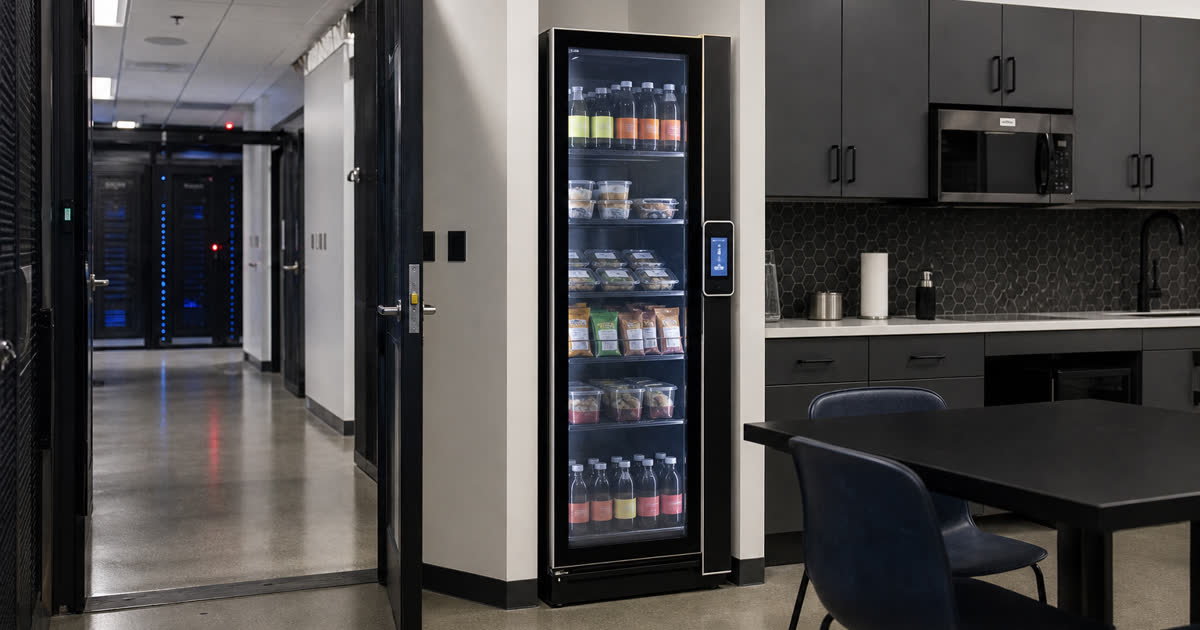
That is where a turnkey model earns attention. Revvolto focuses on modern cashless smart vending, smart fridges, and micro market options for qualified business locations. We handle stocking, payment technology, and service so your team is not quietly drafted into vending operations.
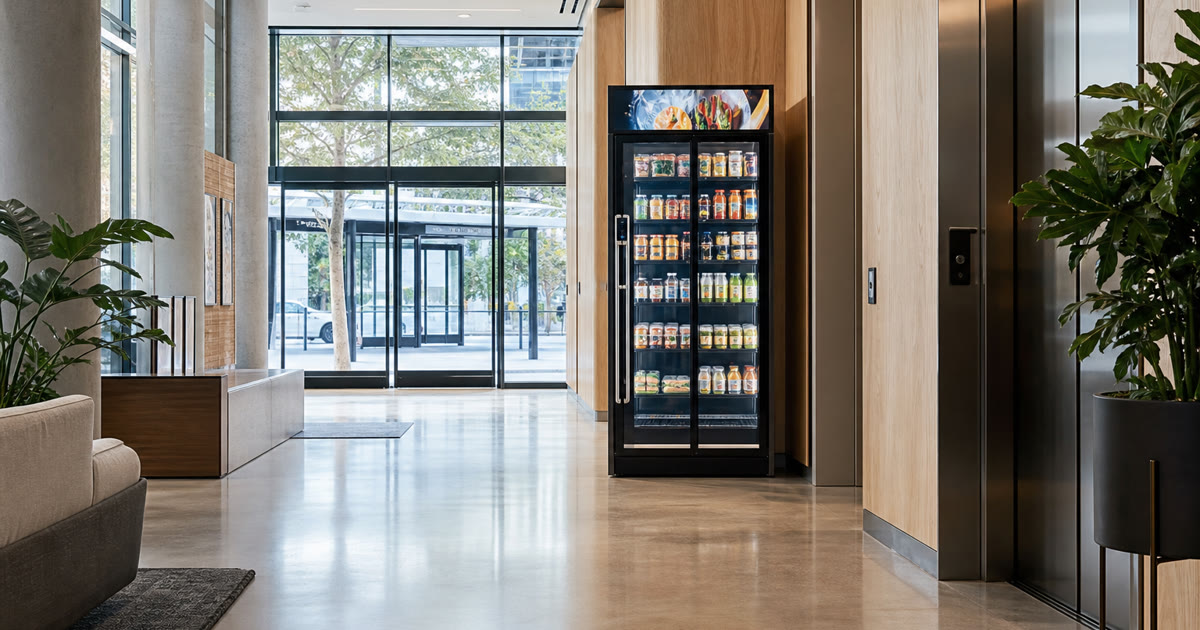
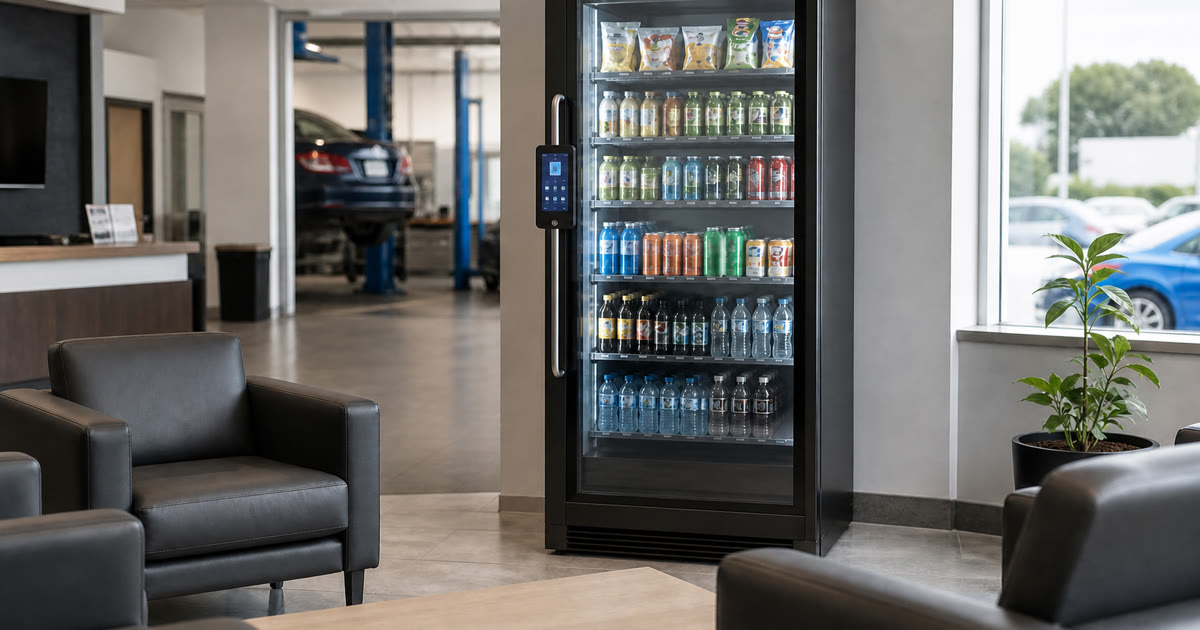
The details matter. A hotel may need grab-and-go access outside restaurant hours. A dealership may need a better waiting-area option that does not turn the service desk into snack support. An apartment community may need a resident amenity that fits the path people already use.
Those are different rooms, but the cost question is the same: does the model remove work from your team, or just move the work around?
The best cost conversation is specific
If a vending provider gives you a generic answer, keep asking.
Ask where the machine would go. Ask what products make sense for the audience. Ask how often service is reviewed. Ask what happens if usage is lighter than expected. Ask who handles payment issues.
You do not need a spreadsheet circus to make a good decision. You need a practical site conversation that connects the business model to the room, the people, and the work after installation.
For qualified locations, Revvolto’s model is designed to keep that decision simple: modern cashless vending or smart fridge service, stocked and maintained by us.
If you are trying to figure out whether your location qualifies, tell us about the space at revvolto.com/contact-us. We will help you sort the fit before anybody starts pretending an empty corner is a strategy.