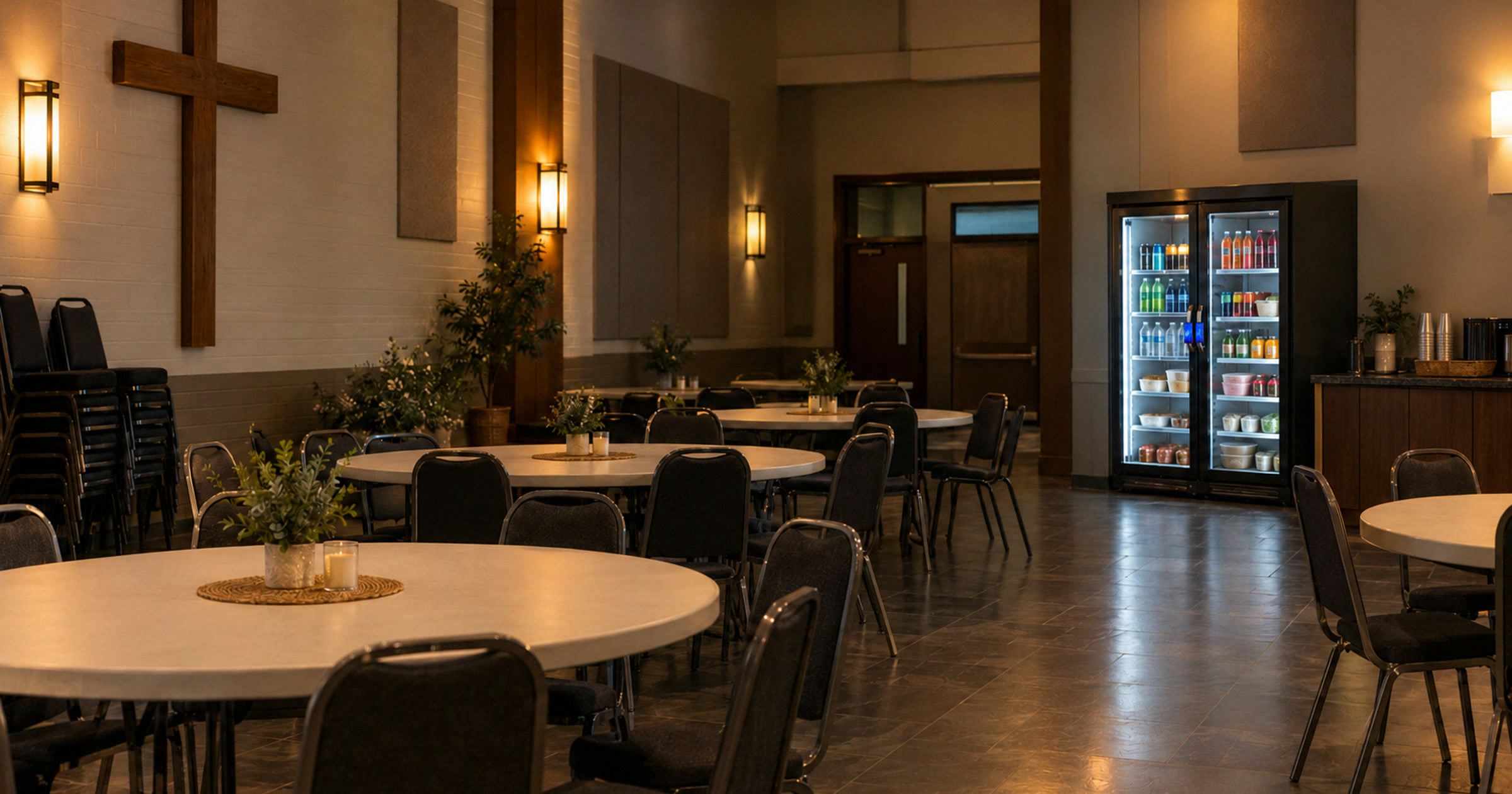
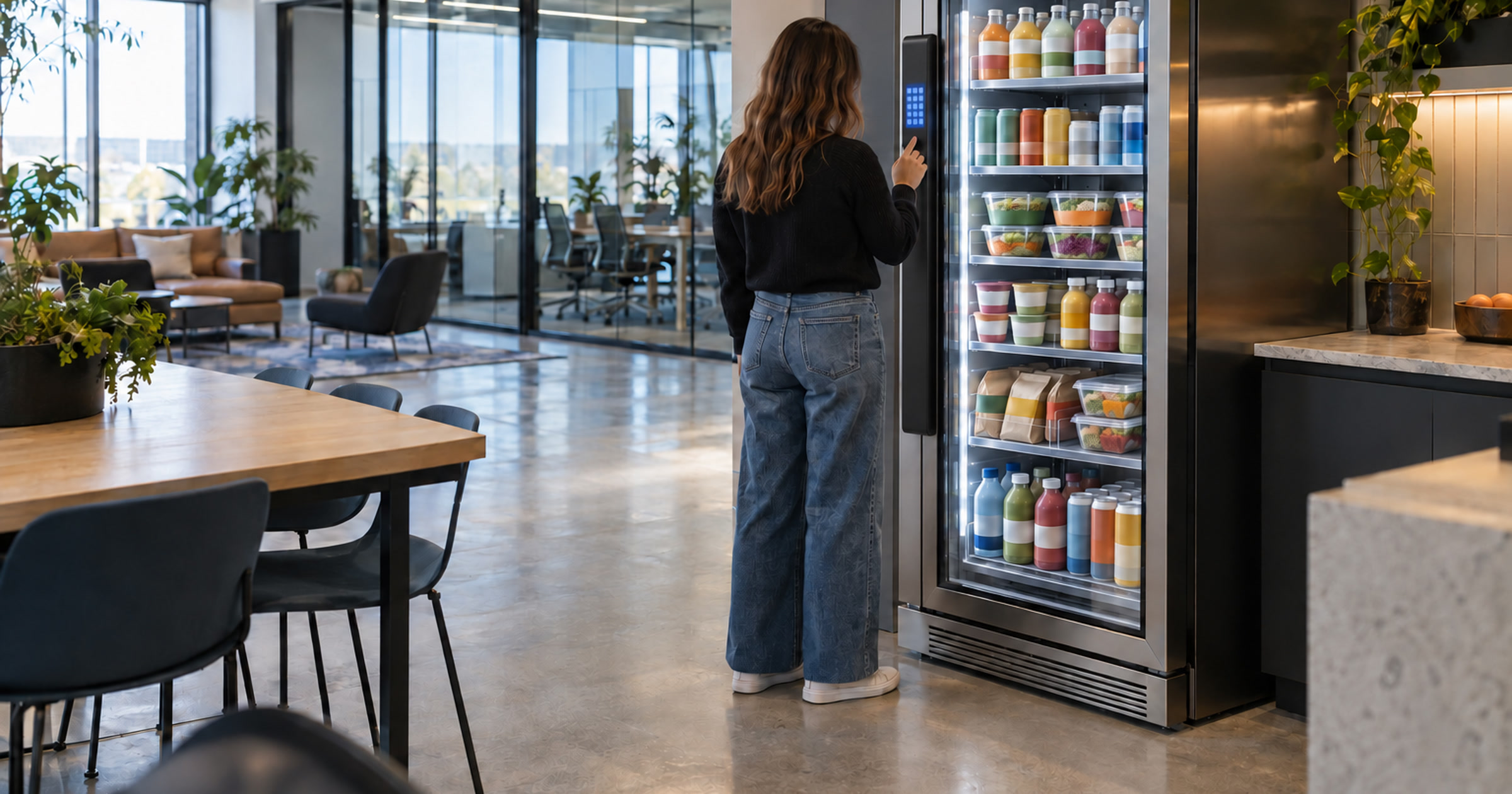
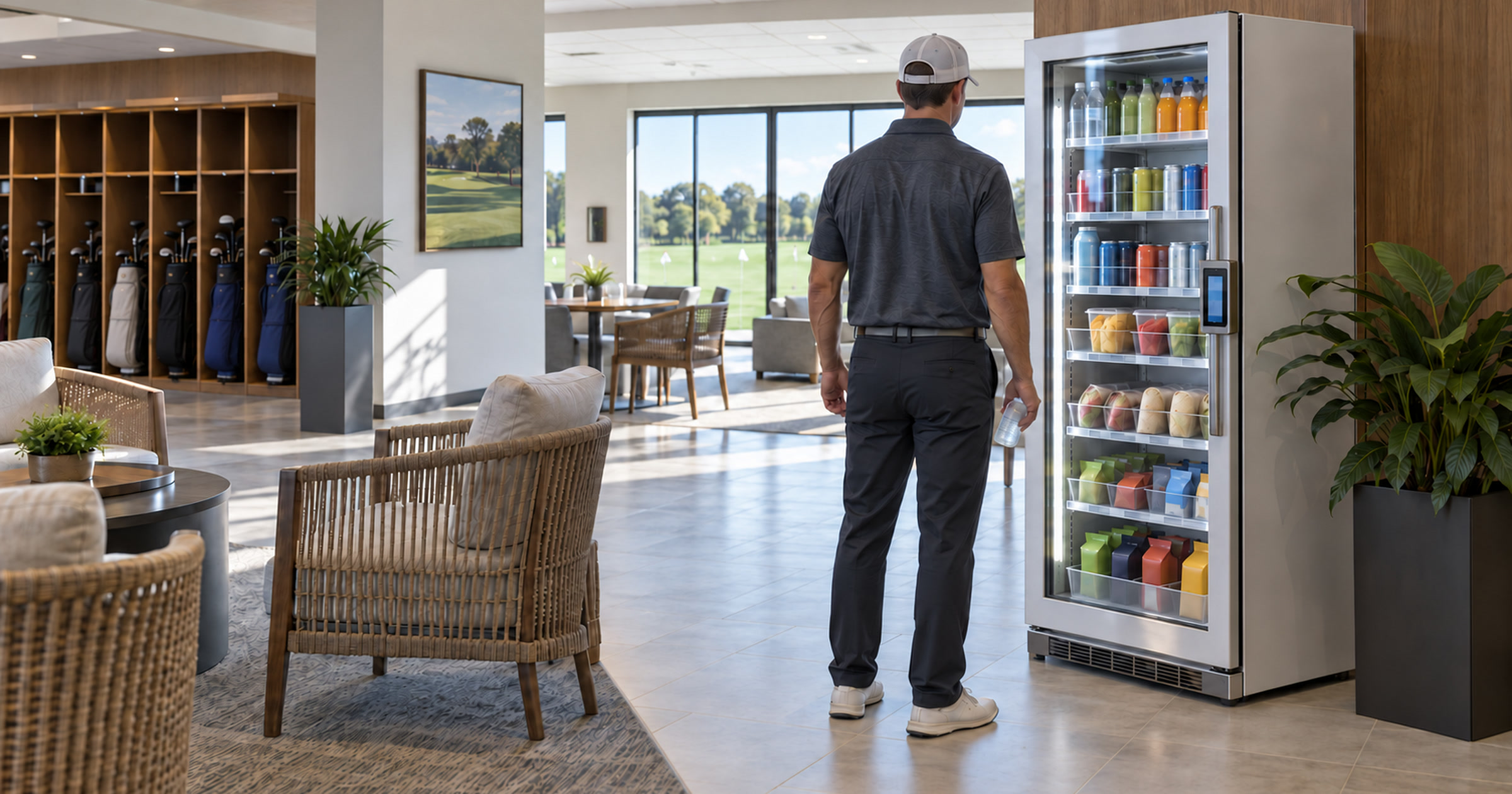
Vending product selection should not be copied from one location and pasted into the next.
A gym, a clinic staff breakroom, a service lounge, and an apartment common area can all use a modern vending machine or smart fridge. That does not mean they need the same shelf. The better question is simple: who is using this, when are they using it, and what kind of grab-and-go decision are they making?
That is where a stocked vending amenity starts to feel useful instead of random.
For Revvolto, product selection is not about chasing every snack request or building the world’s most complicated mini-store. It is about matching food, drinks, and snack options to the actual setting, then adjusting the mix as real usage patterns come in.
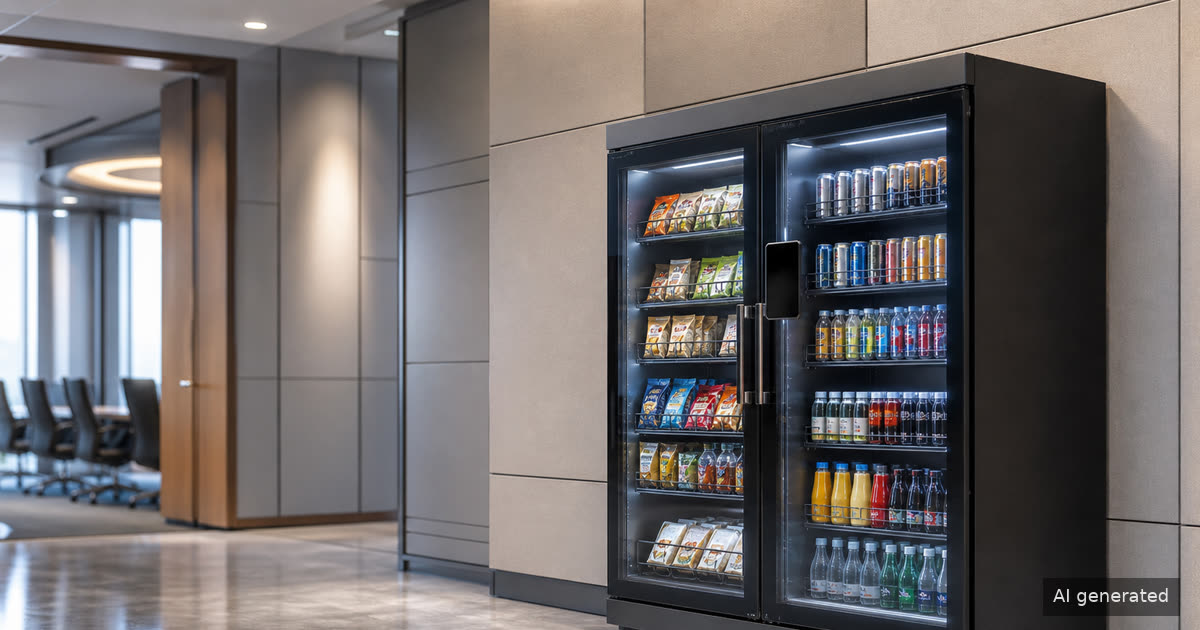
Why vending product selection starts with the site
The same product can make perfect sense in one setting and feel out of place in another.
In a fitness studio, people may look for cold drinks, protein-forward snacks, or something easy after a workout. In a clinic staff area, the need may be more practical: quick access during a short break, a cold drink between shifts, or a simple snack when leaving the building is inconvenient. In a dealership service lounge, the user may be a customer waiting on a repair, not an employee trying to get through a shift.
Those are different moments. Good vending product selection respects that.
The first pass should look at the basic operating context: foot traffic, time of day, user type, available space, nearby food options, and whether the machine sits in a staff-only area or a public-facing spot. A machine near a front desk has a different job than one tucked into a breakroom. A smart fridge in a tenant lounge has a different job than a compact vending setup near a warehouse shift entrance.
This is also why broad “best seller” lists can be useful, but not enough. Popular products are a starting point. Site fit is what makes the assortment feel intentional.
The first assortment is a working hypothesis
No provider should pretend the first product mix is perfect forever. That is how vending turns into a dusty row of things nobody asked for.
A practical launch mix usually blends familiar options with a few site-specific bets. Drinks often carry heavy demand because they are easy, visible, and useful across many settings. Snacks should cover different use cases without turning the machine into a nutrition lecture: something salty, something sweet, something lighter, something more filling, and cold options when the equipment and service plan support them.
The key word is support. Refrigerated items need the right equipment, handling, and service cadence. Shelf-stable snacks have a different operating profile. A smart fridge, smart cooler, or refrigerated vending setup may open more options, but only if the location can support the format and the operator can maintain it properly. The U.S. Food and Drug Administration’s consumer guidance on refrigerated foods is a useful reminder that cold food is not just another shelf category; temperature-sensitive products need the right handling and storage context.
That does not mean every host needs a complex food program. Sometimes the smarter move is a tighter, cleaner assortment that people can understand quickly.
Requests matter, but buying behavior matters more
Product requests are useful. They tell the operator what people notice, what they wish existed, and where the current assortment may be missing the mark.
They can also be noisy.
One person may ask for a very specific drink. Another may want a snack that does not fit the equipment, the supply chain, or the broader audience. A host should not have to become the judge of every request. The better model is to collect requests through one clear path, then compare them with actual movement inside the machine.
If a requested item fits the site and has a practical service path, it may be worth testing. If a product sounds good but does not move, it should not keep taking up space forever. If something sells quickly and reliably, that is a signal. If something sits, that is a signal too.
This is where modern vending and smart fridge programs can be more useful than old guesswork. Purchase and inventory reporting can help the operator see what is moving, what is slowing down, and where the mix needs a cleaner decision. The machine does not “know” what people want. The data gives the operator a better starting point than vibes and complaint volume.
For more on the request side, see Revvolto’s guide to handling vending product requests. For the service side, the related guide on what happens during a vending restock visit explains how stock checks and shelf presentation fit into the bigger operating picture.
Different locations need different trade-offs
A strong product mix is not just about variety. It is about trade-offs.
A hotel grab-and-go area may need options that feel easy for guests who arrive late or leave early. A warehouse breakroom may need items that make sense around shift timing and limited off-site access. A clinic staff room may need practical, compact options that do not create extra front-desk work. An apartment amenity area may need simple resident-friendly choices that are easy to buy without staff involvement.
The same machine can support different priorities, but the assortment should not ignore the setting.
There is also a space question. More variety is not automatically better if it makes the machine harder to shop, harder to stock, or harder to keep clean. A compact location may benefit from a focused set of high-use products. A larger site may justify broader testing over time.
A larger product-mix framework is useful here too. See Revvolto’s broader guide to product mix for vending machines for the buyer-facing view of matching snacks and drinks to the site.
The goal is not to impress people with how many SKUs fit behind glass. The goal is to make the machine feel like it belongs there.
How Revvolto keeps the product mix from becoming staff work
The host should not have to manage the snack department. That is the whole point.
Revvolto’s role is to help match the starting assortment to the location, keep the machine stocked on a regular cadence, review what is moving, and adjust the mix over time. That includes listening to product requests without dumping every decision onto the nearest manager, receptionist, leasing team, or shift supervisor.
For qualified locations, Revvolto typically handles the vending machine, smart fridge or smart cooler setup, stocking, restocking, payment tech, and service. The host gets a modern grab-and-go amenity without building an internal food program around it.
That is the practical value of better vending product selection: fewer random shelves, fewer staff interruptions, and a better chance that people actually use what is there.
If your location needs a smarter vending or smart fridge setup, Revvolto can help review the site, the audience, and the product mix that makes sense. Start here: contact Revvolto.